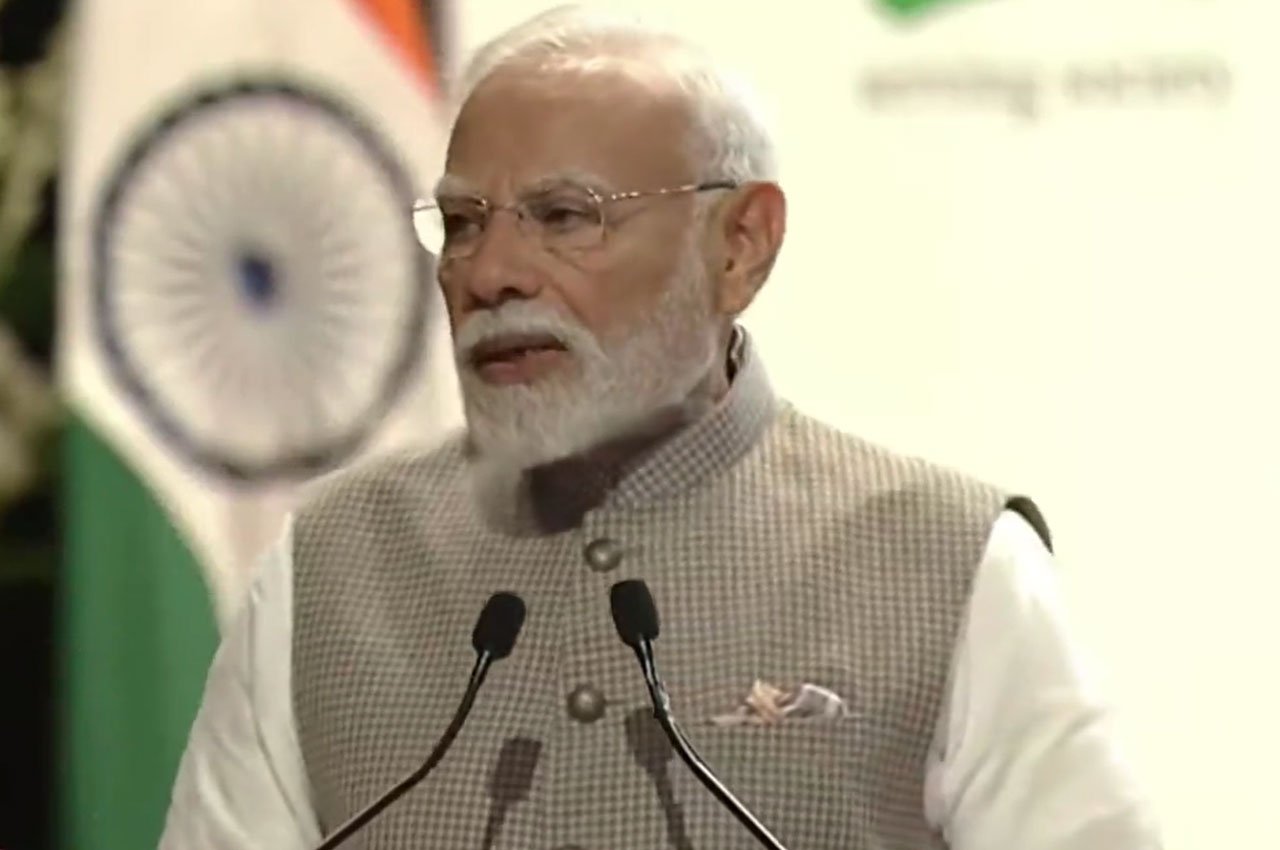
Prime Minister Narendra Modi has decided not to travel to Kuala Lumpur for the upcoming ASEAN Summit and will instead join the proceedings virtually. The decision effectively rules out a possible face-to-face interaction with U.S. President Donald Trump, who is also expected to attend the regional gathering, reported Bloomberg.
The summit, scheduled between October 26 and 28, will bring together leaders from the ten member nations of the Association of Southeast Asian Nations (ASEAN), along with major dialogue partners including the United States, China, Japan, and India.
Festival Timing Cited, But Questions Remain
According to Malaysian Prime Minister Anwar Ibrahim, Prime Minister Modi informed him that his absence from the summit was due to the Deepavali festival, which coincides with the event dates. While the official explanation emphasizes domestic commitments, political observers believe the decision carries diplomatic undertones.
Several analysts suggest that by choosing a virtual appearance, New Delhi is striking a cautious balance — participating in the forum without drawing unnecessary attention to any bilateral optics, particularly with Washington. Opposition parties, however, argue that the Prime Minister’s choice to skip the summit in person amounts to a missed opportunity for asserting India’s global leadership.
Leaders from the Congress party have alleged that Modi’s decision was influenced by recent trade tensions and unease over President Trump’s remarks about India’s purchase of discounted Russian oil. Some also see it as an attempt to avoid the optics of a potentially awkward meeting amid ongoing tariff-related disputes between the two countries.
Missed Diplomatic Opportunity
A personal meeting between Prime Minister Modi and President Trump would have carried significant diplomatic weight, especially at a time when India–U.S. trade relations are navigating a complex phase. The United States has imposed steep import tariffs on certain Indian goods, citing trade imbalances, while India continues to maintain strong energy ties with Moscow.
Observers say a Modi–Trump interaction could have helped smoothen the dialogue on these contentious issues. Instead, by participating virtually, India has chosen a more calibrated approach — engaging with ASEAN partners without becoming the focal point of summit diplomacy.
For Washington, the absence of an in-person meeting removes an opportunity to deepen engagement with one of its key Indo-Pacific partners. Yet, it also reflects a growing maturity in bilateral ties — one not entirely dependent on high-profile summits or optics-driven meetings.
Domestic and Strategic Reactions
Domestically, reactions to the decision have been divided. Critics from opposition ranks say that India’s physical absence from such an important summit could be perceived internationally as a missed chance to reinforce its “Act East” policy and expand its strategic footprint in Southeast Asia.
Government officials, on the other hand, have downplayed the criticism, stating that virtual participation remains a legitimate form of engagement, especially during major cultural and religious observances like Deepavali. They maintain that India’s position and presence within ASEAN frameworks remain strong and consistent.
Regional Context and Future Implications
This year’s ASEAN Summit comes at a critical moment when the region sits at the crossroads of global trade realignment and strategic competition. With growing U.S.–China rivalry and Southeast Asia’s central role in global supply chains, India’s diplomatic participation — even virtual — remains crucial.
Experts suggest that Modi’s decision not to attend physically underscores a shift in India’s foreign policy rhythm: more measured, less performative, and guided by strategic restraint.
Still, the absence of a Modi–Trump meeting could delay any near-term breakthroughs on trade and tariff negotiations. The two leaders are now expected to reconnect at a later multilateral event or during a dedicated bilateral visit.
For ASEAN member nations, India’s continued engagement — virtual or otherwise — signals that New Delhi remains a committed partner in the region’s growth and stability narrative. The summit is expected to deliberate on regional security, economic cooperation, and emerging digital trade norms.
As global attention turns to Kuala Lumpur this weekend, India’s choice of participation style will be closely watched — not only for its diplomatic symbolism but also for what it reveals about New Delhi’s evolving strategy in a world of shifting alliances.
Photo Source: X
Follow us for latest updates: