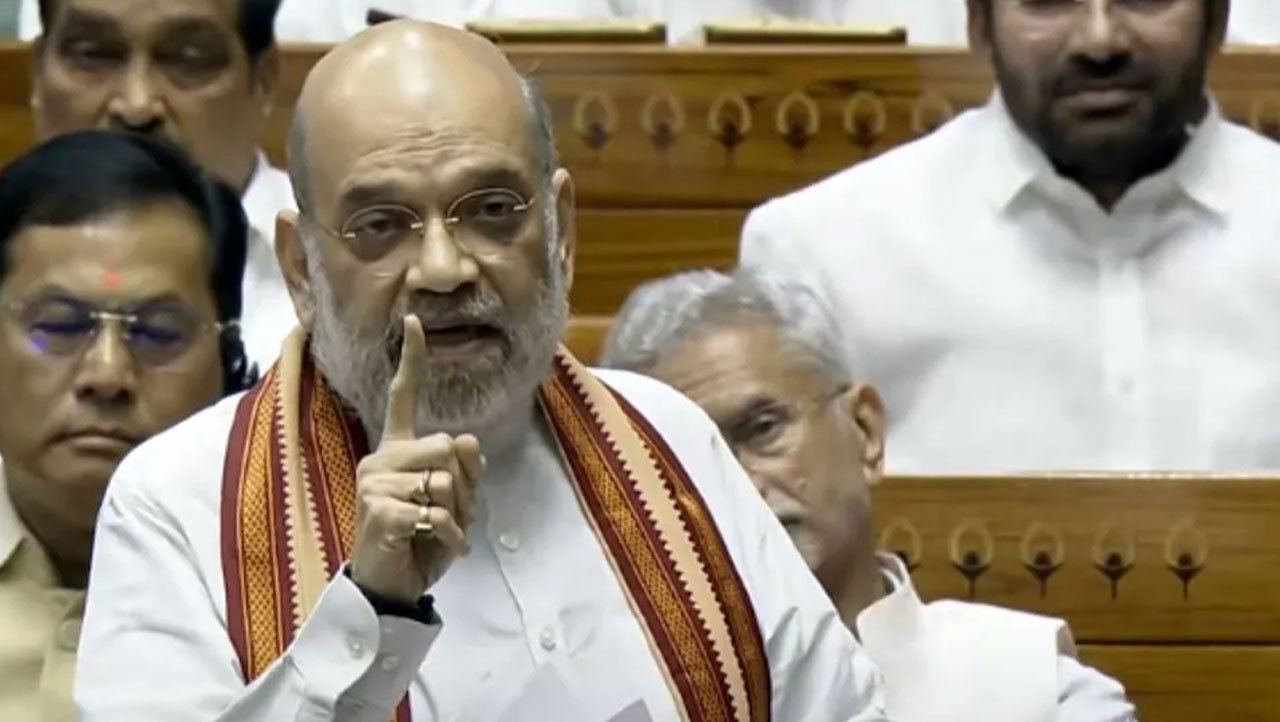
In a major announcement set to impact millions of households and businesses across India, the government has revealed plans for a sweeping overhaul of the Goods and Services Tax (GST) structure. According to The Times of India, the reforms, described as a “Diwali gift” for the common man, are expected to drastically reduce tax rates on everyday goods and simplify compliance for businesses.
The proposed changes will be taken up in the upcoming GST Council meeting scheduled for September or October, with implementation targeted ahead of the festive season.
99% of Goods in 12% Slab to Shift to 5%
At the heart of the reforms is a bold proposal to move nearly 99 percent of products currently taxed at 12 percent into the 5 percent GST bracket. This reduction will directly benefit consumers by lowering the cost of essentials and mid-range goods, providing a boost to purchasing power ahead of Diwali.
The change is expected to create a ripple effect across the retail sector, spurring demand and giving small businesses and MSMEs a fresh push during the high-sales festive period.
Two Main Slabs: 5% and 18%
The government is also looking to simplify the GST system by reducing the number of slabs. Under the new plan, most goods and services will fall under two primary rates – 5 percent and 18 percent. This streamlined approach is aimed at reducing complexity in tax filing, cutting down disputes, and making the GST regime more transparent.
Luxury goods and so-called “sin goods” such as tobacco products will be taxed at a special 40 percent rate. According to officials, this higher rate will apply to only about seven categories of items, keeping the burden concentrated on non-essential, high-margin products.
90% of Goods in 28% Slab to Drop to 18%
Another significant shift will be the reclassification of items in the current 28 percent slab. Approximately 90 percent of goods in this category will be moved down to the 18 percent bracket, making them more affordable. These could include a range of household appliances, electronics, and other semi-luxury goods that are widely consumed.
The move is expected to stimulate demand in the manufacturing and retail sectors, supporting economic growth at a time when global market conditions remain challenging.
Boost for the Common Man and Businesses
The proposed GST rate cuts are being positioned as a win-win for both consumers and businesses. For consumers, the immediate impact will be lower prices on a large range of goods. For businesses — especially small traders and MSMEs — the simplified two-slab system will reduce administrative costs, paperwork, and compliance headaches.
Economic experts believe that the timing of the reforms, just before the festive season, will magnify their impact. Higher disposable incomes during Diwali could translate into increased spending, which in turn will benefit manufacturers, wholesalers, and retailers.
Political and Economic Context
The GST overhaul aligns with Prime Minister Narendra Modi’s broader economic vision of making India a “Viksit Bharat” (developed India) by fostering growth, easing business processes, and ensuring that reforms have a direct, tangible impact on citizens. By focusing on reducing the cost of goods used in daily life, the government is addressing both inflationary pressures and consumer sentiment.
The political timing is also noteworthy. Coming shortly after Modi’s Independence Day speech, where he announced major initiatives in defence, employment, and technology, the GST reform reinforces the government’s image as a reform-driven administration.
Industry Reactions
While formal reactions from industry bodies are expected after the GST Council meeting, early indications suggest widespread approval. Retailers and manufacturers anticipate a surge in demand if prices drop as expected. Economists, however, caution that the government will need to manage revenue implications carefully to avoid widening the fiscal deficit.
Tax experts also note that while the simplification to two slabs is a positive step, the real challenge will lie in execution. Proper classification of goods, ensuring uniform interpretation across states, and avoiding legal disputes will be key to the reform’s success.
Looking Ahead
If the proposals are cleared in the September-October GST Council meeting, India could see its most significant indirect tax reform since GST was first introduced in 2017. For consumers, the impact will be visible almost immediately in lower prices at shops and supermarkets. For businesses, particularly in the manufacturing, FMCG, and retail sectors, the move could usher in a new phase of growth and competitiveness.
As the festive season approaches, anticipation is building. If the reforms are implemented smoothly, Diwali 2025 could not only light up homes but also brighten the country’s economic outlook.
For more stories click here
Follow us for latest updates: