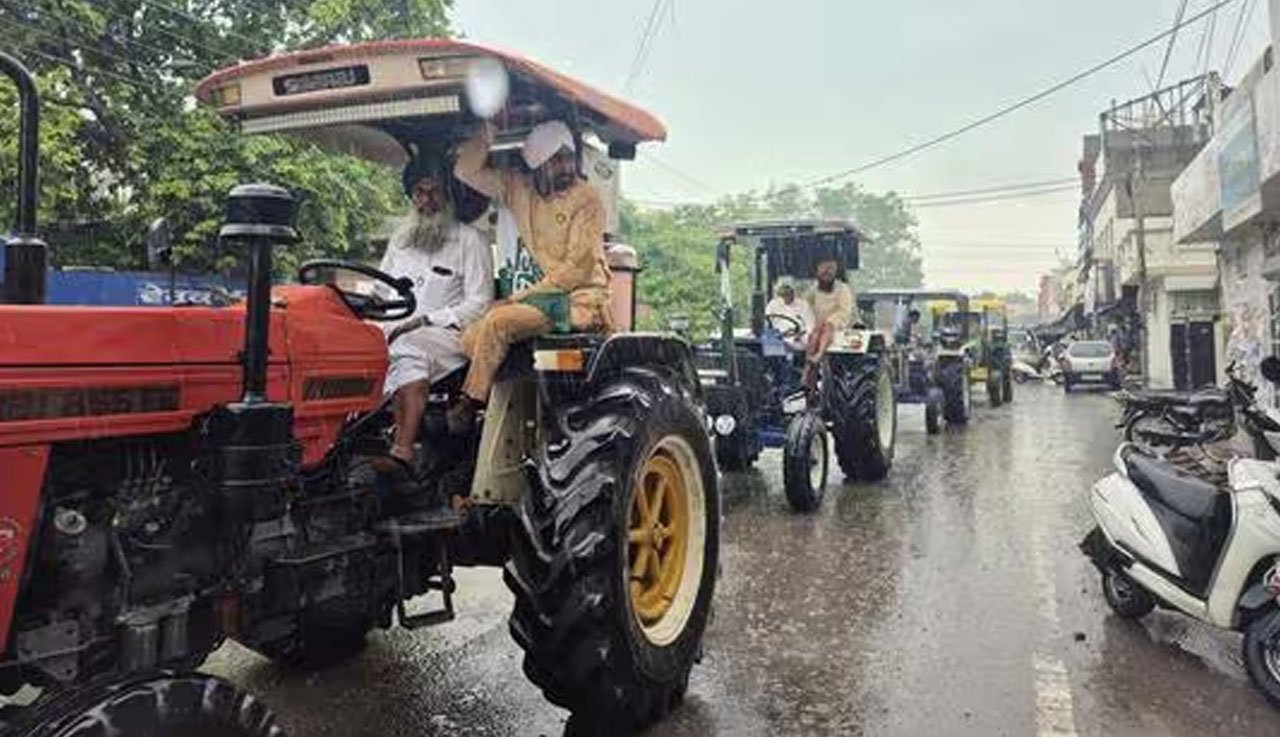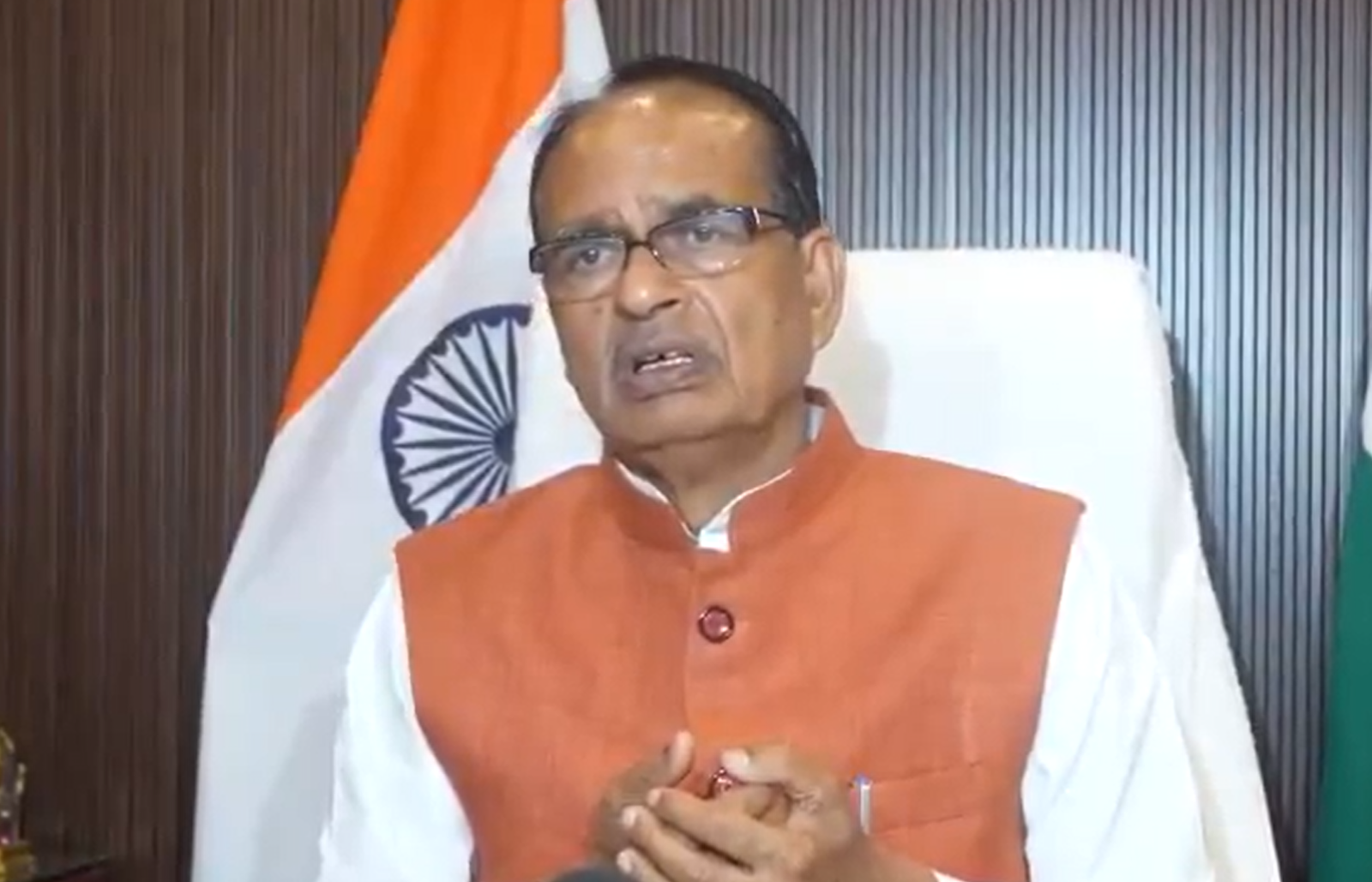
As Punjab grapples with the worst floods since 1988, the Union Government has announced a high-level visit to the affected regions. Union Agriculture and Farmers’ Welfare Minister Shivraj Singh Chouhan will reach Punjab on September 4 to take stock of the devastation, meet state officials, and interact with farmers who have suffered heavy crop losses. His visit is being seen as a significant step towards extending much-needed central assistance to the flood-battered state.
A State in Crisis
The scale of the disaster in Punjab has been overwhelming. Continuous torrential rains have caused rivers such as the Sutlej, Beas, and Ravi to swell dangerously, breaching embankments and submerging more than 1,400 villages across the state. At least 30 lives have already been lost, while over 350,000 people have been displaced or directly affected by the calamity. The Punjab government has declared all 23 districts as flood-hit.
With nearly 20,000 people evacuated from low-lying regions and hundreds of relief camps operational, the crisis has grown into one of the most challenging humanitarian emergencies Punjab has faced in decades. Crops across more than 148,000 hectares of farmland have been destroyed, raising fears of food insecurity and severe financial distress among farming families.
Chouhan’s Mission in Punjab
Against this grim backdrop, Agriculture Minister Shivraj Singh Chouhan will begin his visit in Amritsar before traveling to the worst-affected villages. He will be accompanied by senior officials from the Ministry of Agriculture and representatives of disaster management agencies.
The visit has three primary objectives:
- Assessment of Damage – The minister will survey the affected fields and villages to gauge the extent of crop loss, livestock deaths, and damage to infrastructure.
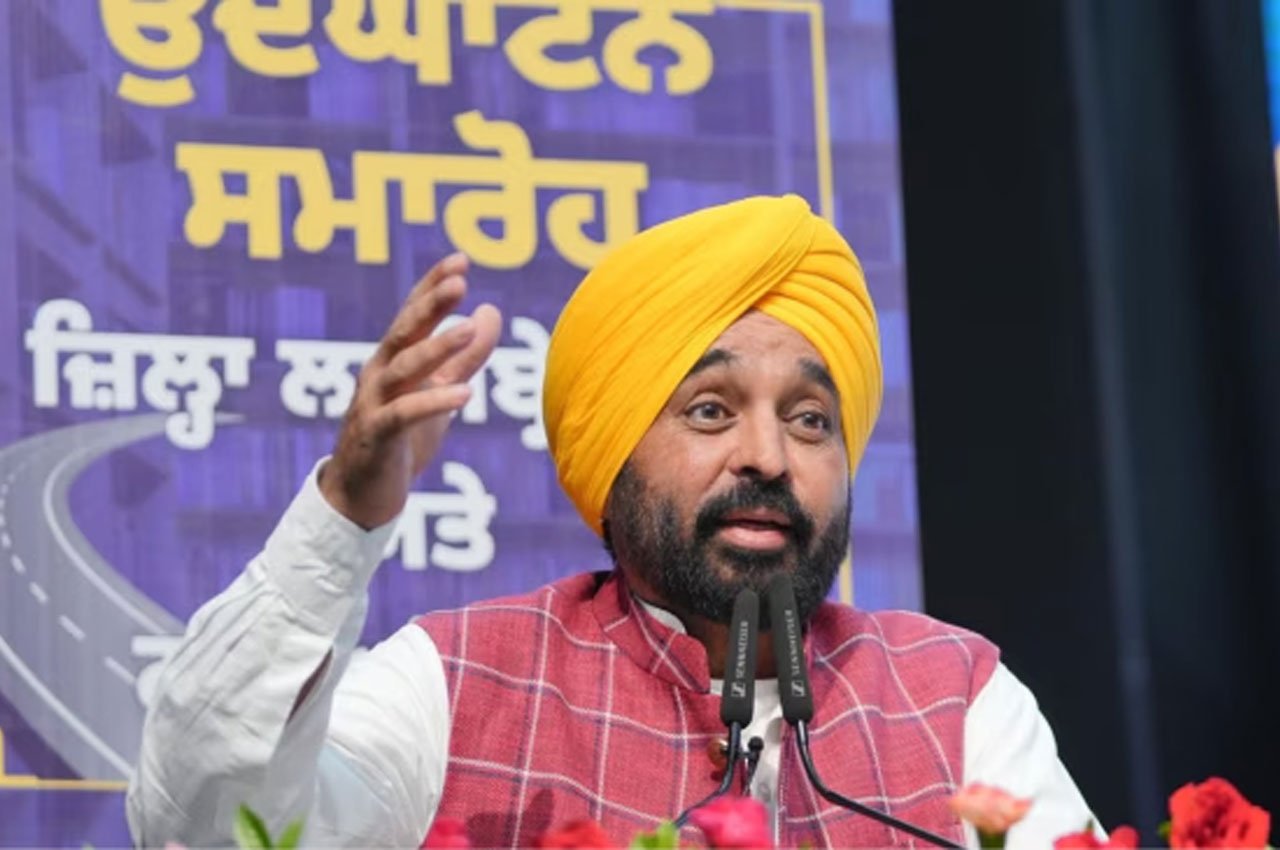
- Coordination with State Government – High-level discussions with Punjab Chief Minister Bhagwant Mann and senior state officials are expected to focus on immediate relief and long-term rehabilitation plans.
- Relief and Compensation – Farmers are awaiting clarity on the scale of compensation they can expect. Chouhan is likely to announce a framework for crop insurance settlements and central assistance packages.
On the eve of his visit, Chouhan held consultations with both Chief Minister Bhagwant Mann and Governor Gulab Chand Kataria. He assured them that the Centre would extend “all possible support” and stressed that Punjab’s farmers would not be left alone in this crisis.
Farmers’ Anguish and Expectations
The visit comes at a time when farmers are staring at enormous losses. Punjab, often called the “food bowl of India,” contributes significantly to the country’s rice and wheat output. With the current kharif crop season underway, the flooding has raised fears of a sharp decline in paddy yields.
For many farmers, the damage is not just to one season’s harvest but also to the soil fertility and future productivity of their land. Prolonged submergence has ruined standing crops, washed away topsoil, and destroyed irrigation channels. Livestock losses have compounded the crisis, leaving rural households in distress.
Farmer unions have demanded immediate compensation, a waiver of crop loans, and urgent relief measures. Many believe that a visible central government intervention, spearheaded by Chouhan’s visit, could accelerate the release of funds and insurance payouts.
The Politics of Relief
While the human tragedy remains the foremost concern, the floods have also stirred political undercurrents. Chief Minister Bhagwant Mann has described the situation as the worst flood Punjab has witnessed since 1988, appealing for solidarity across party lines. He has urged the Centre to move beyond symbolic gestures and commit substantial resources to relief and rehabilitation.
The Union Government, for its part, has attempted to project its seriousness by dispatching Chouhan, one of its senior ministers. Prime Minister Narendra Modi has also spoken to Chief Minister Mann, promising support. Observers say the Centre’s handling of the crisis could have long-term political implications in a state where agrarian concerns dominate the discourse.
National Significance of Punjab’s Crisis
The floods in Punjab are not a localised issue; they have national ramifications. With over a quarter of the state’s population dependent on agriculture, disruptions in Punjab’s output could affect food security and supply chains across India. Rice procurement, which is vital for the Public Distribution System (PDS), may be severely hit if relief does not arrive swiftly.
Moreover, the floods in Punjab mirror a larger pattern of climate-related disasters across northern India. Himachal Pradesh has already been declared disaster-hit after an unprecedented monsoon season marked by cloudbursts and landslides. Together, these crises highlight the urgent need for climate resilience, early-warning systems, and disaster-preparedness mechanisms tailored to the region’s vulnerabilities.
Looking Ahead
Shivraj Singh Chouhan’s visit is expected to culminate in an assessment report that will be placed before the Union Cabinet for further action. Relief packages, crop insurance payouts, and long-term rehabilitation plans are likely to dominate the agenda. For the people of Punjab, however, the visit represents more than policy—it is a test of whether the political leadership of the country will truly stand with them in their darkest hour.
As the state braces for further rain and the daunting task of rebuilding, the people of Punjab will watch closely to see if the promises made translate into tangible relief.
Photo Source: X
For more stories click here
Follow us for latest updates: