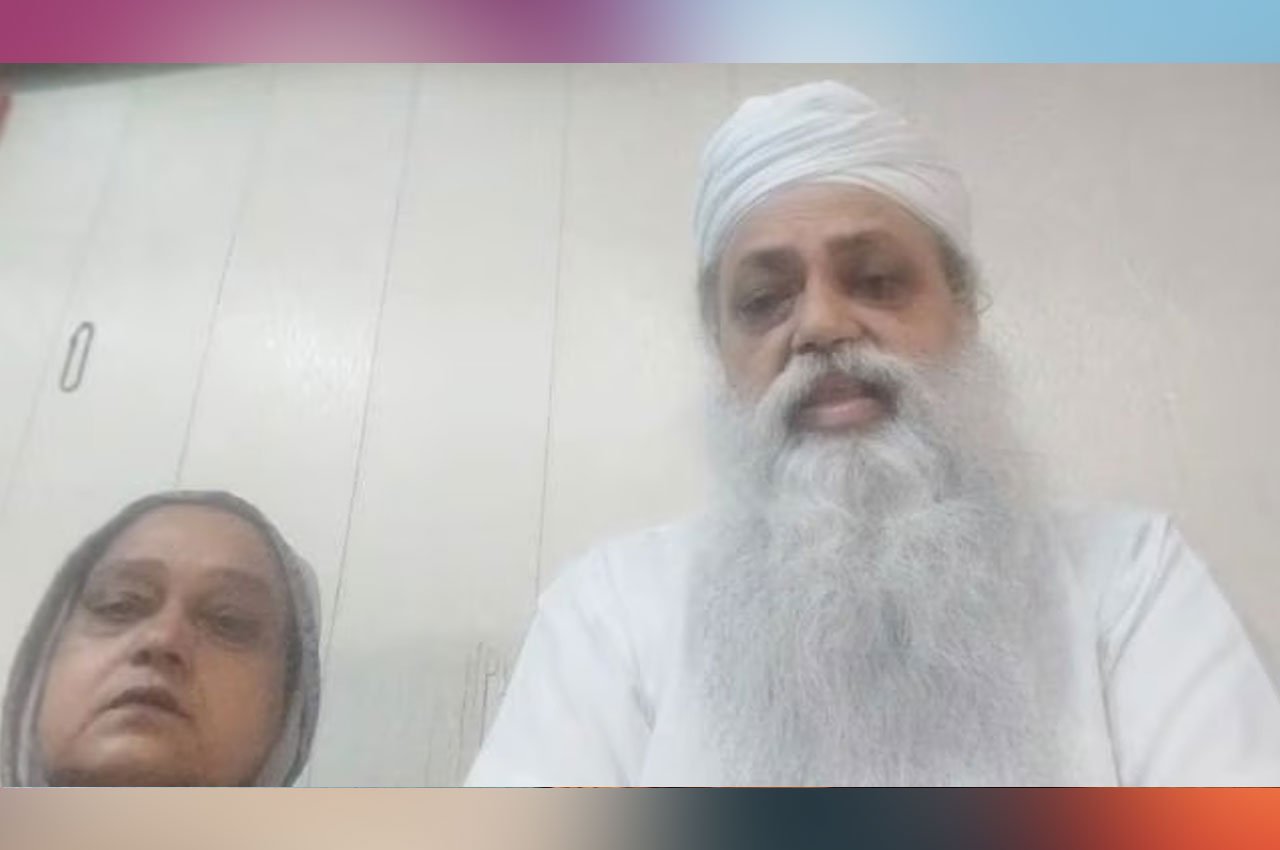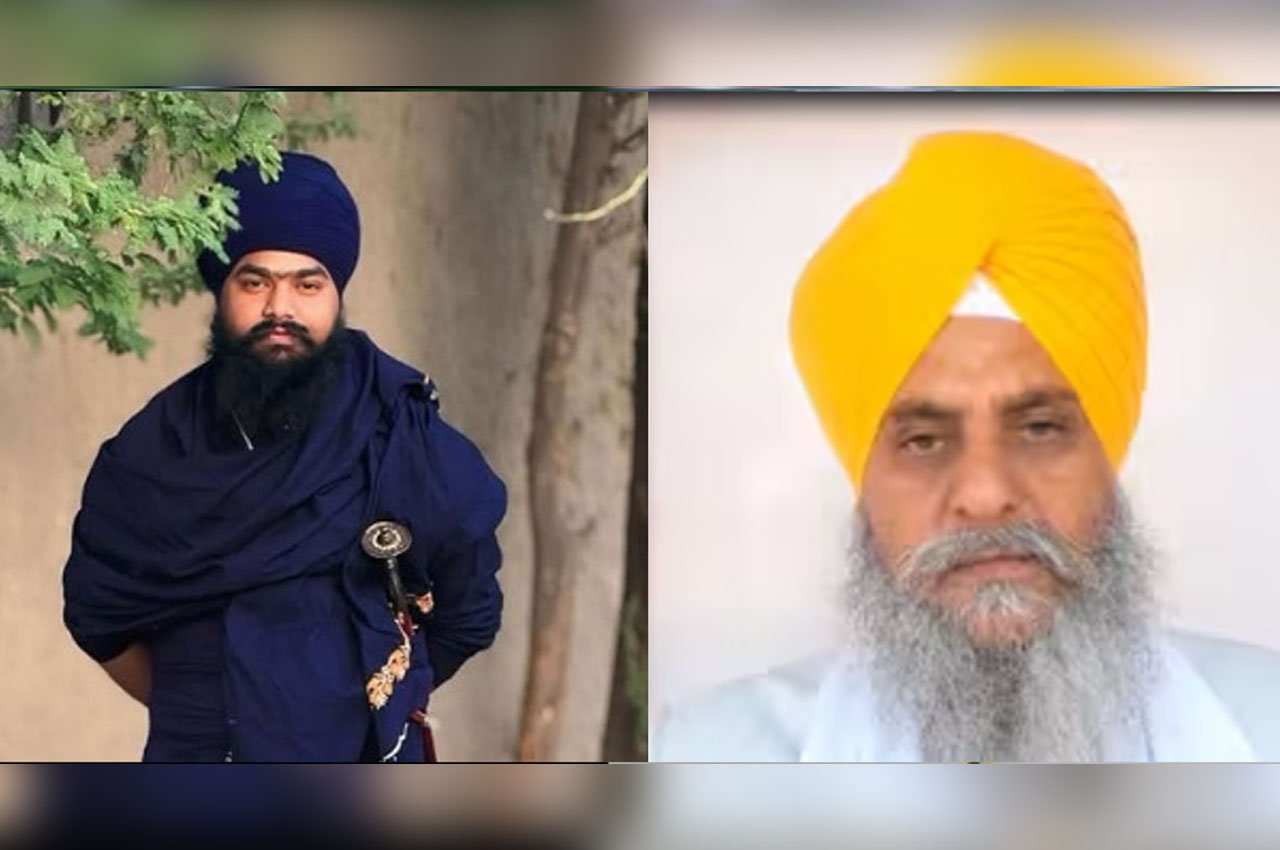
Amritpal Singh Mehron (Left) and Head Granthi Malkiat Singh (Right)
In a sharp escalation of tensions within Sikh religious leadership, Golden Temple Head Granthi Malkiat Singh has publicly defended Amritpal Singh Mehron, currently accused in the murder of influencer Kanchan (“Kamal Kaur Bhabhi”)—stating “no wrong was done.” This statement marks a significant moment in ongoing institutional rifts, with major implications for the balance of power among Sikh takhts and community institutions.
What the Head Granthi Said
Commenting on the murder, Malkiat Singh claimed that Kanchan adopted a Sikh identity to disgrace the faith and thus justified Mehron’s act. He cited historical context, suggesting past precedents where actions similar to Mehron’s were considered warranted under Sikh moral codes. Such remarks, from the second-highest religious authority at Akal Takht, have stirred both admiration and outrage across Punjab and beyond.
Spotlight on Institutional Conflict
The support for Mehron emerges amid growing friction between Akal Takht Sahib and Takht Patna Sahib, each asserting religious authority:
- Takht Patna Sahib has recently declared its autonomy from Akal Takht directives, branding senior jathedars from Takht Kesgarh Sahib and Damdama Sahib as “tankhaiya” for alleged misconduct.
- Conversely, Akal Takht has reaffirmed its supremacy, demanding compliance from other Sikh takhts and leaders.
The head granthi’s latest defense of Mehron deepens the institutional fissure, highlighting an unresolved struggle over religious authority and moral governance within the Panth.
Public & Political Reactions
Community response: Many Sikh organizations and netizens are divided—while some applaud the granthi’s stance against perceived moral transgression, others criticize it as endorsement of vigilante justice.
Political context: The case gains additional weight amid opposition to influencers perceived as challenging Sikh values. Punjab’s authorities are under pressure to uphold law and order without bias.
Why This Matters
Religious authority—the clash challenges centuries-old norms where Akal Takht served as the highest seat of Sikh power.
Rule of law—defending alleged vigilante killing raises concerns about India’s pluralistic legal fabric.
Institutional unity—discord among takhts risks deeper divisions, affecting Sikh community cohesion.
What’s Next?
Punjab Police and Ministry of Home Affairs continue efforts to arrest Mehron, currently believed to be in the UAE. Sikh governing bodies—SGPC, Akal Takht, Takht Patna Sahib—are being urged to convene dialogue and reaffirm commitment to rule-based governance. Legal and religious commentary will likely scrutinize the implications of publicly defending a crime framed as “morality defense”.
Final Take
The Head Granthi backs Mehron headline is more than a local controversy—it reflects deeper friction between religious doctrine, institutional power, and rule of law within Sikh society. As police pursue justice and religious bodies assert their authority, the unfolding outcome will shape not only internal Sikh dynamics, but also public perceptions of justice, morality, and community leadership.