
Israel’s security cabinet has approved a plan to occupy Gaza City, marking a serious escalation in the ongoing conflict with Hamas. This move heightens concerns about the war’s trajectory and its humanitarian impact.
The Israeli government says the military takeover will be accompanied by humanitarian aid to residents outside active combat areas. The plan was approved by the security cabinet and awaits final endorsement from the full cabinet. According to The Hindu, the decision aligns with Prime Minister Benjamin Netanyahu’s strategy to neutralize Hamas and secure the release of hostages, though he insists the operation is temporary and civilian governance will eventually be restored by trusted Arab partners.
A Strategic Push with Domestic and International Implications
This is not the first military incursion into Gaza City — Israel has conducted ground offensives there earlier this year. The current strategy extends previous moves, such as establishing the Morag Corridor to partition Gaza and applying pressure on Hamas.
Netanyahu has framed the operation as a necessary step toward dismantling Hamas and freeing hostages. However, military leaders, including Chief of Staff Eyal Zamir, have voiced strong objections. They worry an incursion could endanger the remaining hostages, overextend Israeli forces, and spark prolonged insurgency.
Humanitarian Crisis Worsens
Gaza, already ravaged by two years of conflict, is facing famine and near-total devastation. Humanitarian groups warn that expanding military operations could trigger displacement on an unprecedented scale and intensify the suffering of civilians. Israel’s blockade of aid and large-scale evacuations further deepen the crisis.
Opposition Voices and Global Fallout
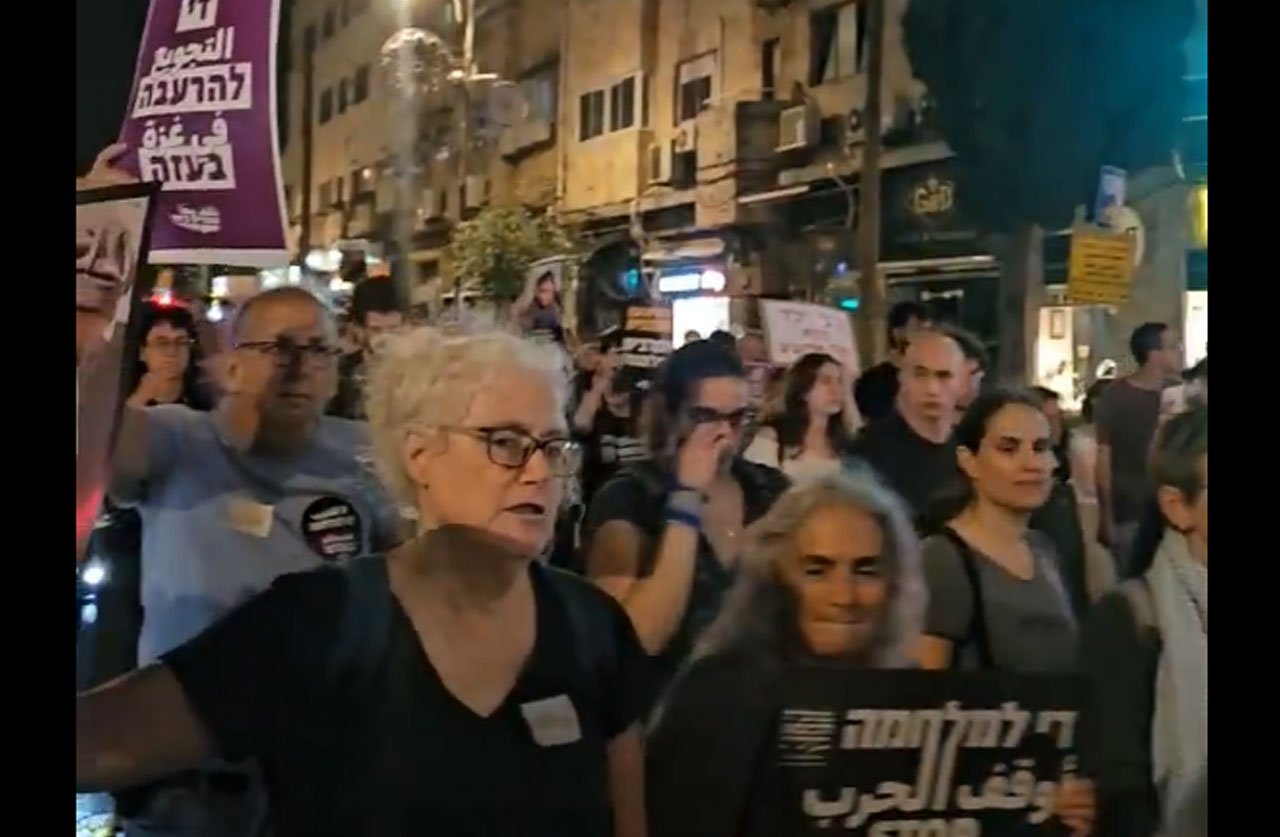
Israeli opposition leaders have decried the plan as disastrous, citing the risks to civilians, hostages, and broader regional stability. International condemnation is mounting — Western allies and Arab neighbors are urging restraint and calling for renewed diplomatic efforts. Protests in Tel Aviv and Jerusalem reflect growing public dissent.
What Comes Next?
With full cabinet approval pending, Israel’s strategy now hangs in the balance. Key questions remain about the duration of the military presence, the plan for civilian governance after the operation, and mechanisms to ensure aid delivery amid hostilities. Meanwhile, calls for a ceasefire and political resolution grow louder — especially from humanitarian organizations, Arab states, and sections of Israeli society itself.
For more stories click here
Follow us for latest updates:


