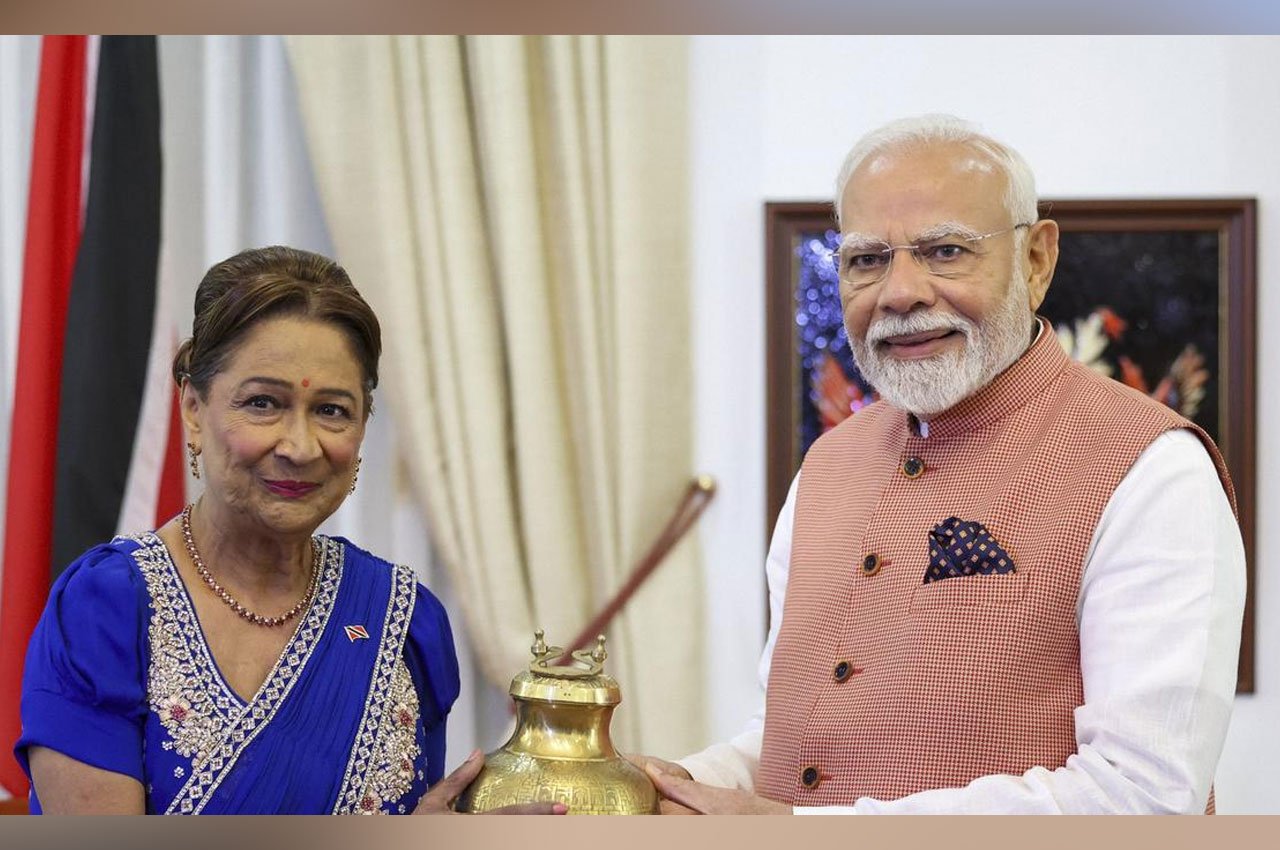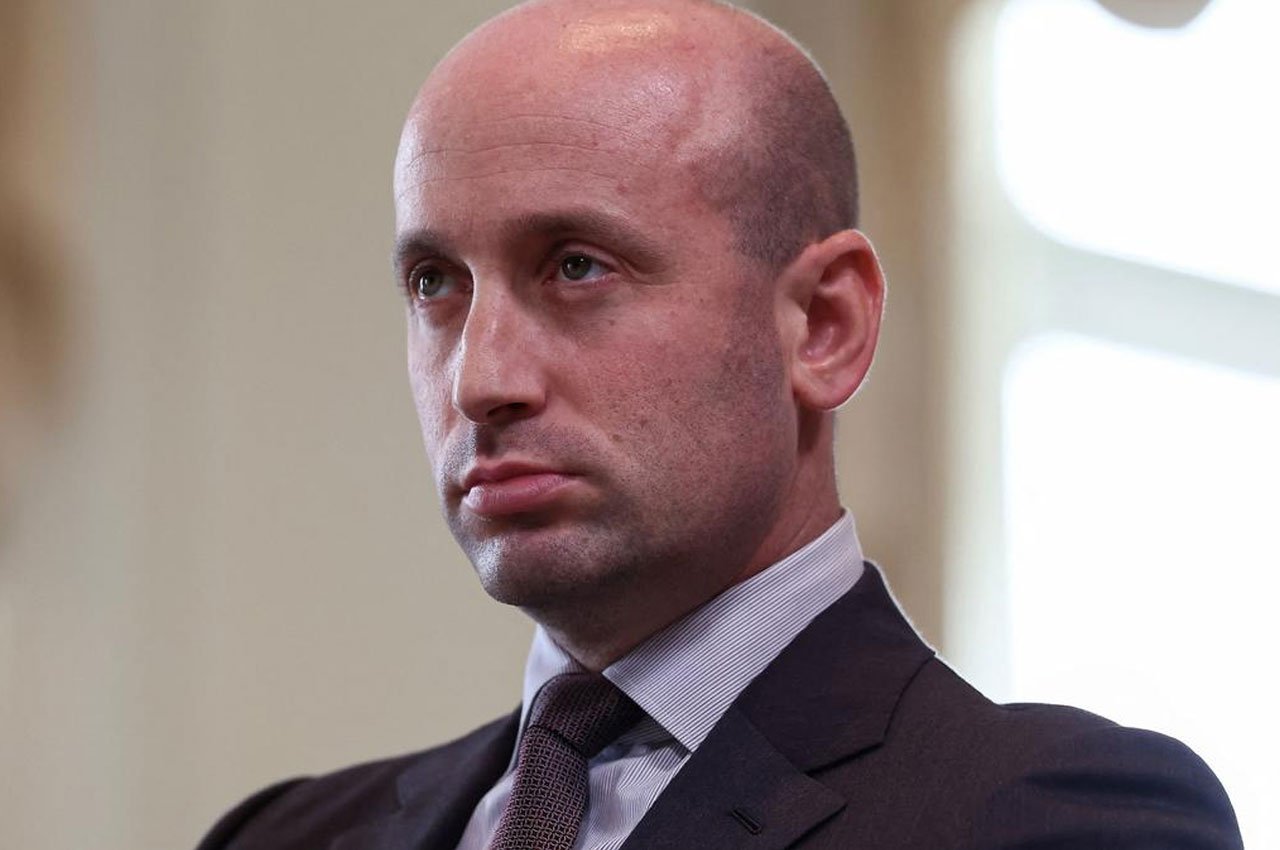
A senior aide to former US President Donald Trump, Stephen Miller, has accused India of indirectly funding Russia’s war in Ukraine by continuing its purchase of discounted Russian crude oil. According to The Times of India, in a sharp comment aired on Fox News, Miller said, “It is not acceptable for India to continue financing this war by purchasing the oil from Russia,” adding that India now matches China in volume of Russian oil imports, a figure he called “astonishing.”
This marks one of the most pointed criticisms from the Trump camp regarding India’s position on the Russia-Ukraine conflict and signals a shift in tone from cautious diplomacy to public rebuke.
US Tariff Threats Resurface
Miller recalled how the Trump administration had previously imposed a 25 percent tariff on Indian imports, and said that the former president had been “very clear” in warning that countries continuing to support Russia economically may face 100 percent tariffs. The aim, Miller claimed, is to pressure Russia into agreeing to a ceasefire in Ukraine.
Despite this strong rhetoric, Miller clarified that Trump shares a “tremendous relationship” with Prime Minister Narendra Modi – showcasing the delicate balancing act of strategic alignment and tactical criticism.
India’s Defiant Energy Diplomacy
India has remained firm on its energy choices, maintaining that its oil trade decisions are dictated by commercial logic, including price competitiveness, grade suitability, and logistics. Government sources reiterated that India has long-standing energy partnerships with Russia, and that its foreign policy will not be dictated by external pressures.
Ministry officials underscored that national interest remains paramount, especially when it comes to energy security and inflation control. India’s crude import mix has changed drastically since 2022, with Russian oil now comprising nearly 35 to 40 percent of its total intake.
Prime Minister Modi, during recent public interactions, urged citizens to stand by Indian manufacturers and support domestic industry. He stated that India will continue to make choices based on what benefits its people, declaring, “We will buy those things which have been made by the sweat of an Indian.”
Strategic Crossroads for New Delhi
The United States and India have steadily grown closer over the past decade through military agreements, technology partnerships, and trade cooperation. However, India’s unwavering oil trade with Russia has created diplomatic friction, especially as Washington tightens its enforcement of secondary sanctions under the Countering America’s Adversaries Through Sanctions Act (CAATSA).
The Trump campaign’s position has been clear: continue oil trade with Russia, and face tariff penalties. But India appears determined to chart its own course, signaling that energy decisions will not be influenced by threats of economic retaliation.
Sources familiar with India’s strategic planning suggest that New Delhi views its partnership with Russia as both time-tested and essential—not just in energy, but in defense procurement and regional security.
A Larger Message to the World
Miller’s remarks, while made in a campaign context, carry geopolitical weight. They reflect growing discomfort within sections of the American political establishment regarding India’s assertive neutrality. By continuing to import Russian oil while benefiting from increased US engagement, India is seen as exercising a rare diplomatic duality.
But in India’s view, this position reflects calculated resilience rather than contradiction. Its policy is driven by the imperative to serve domestic needs first, particularly in a world where oil prices and global alliances are in constant flux.
As the global power balance shifts and economic realignments deepen, Miller’s comments have sparked a fresh debate. Yet, India remains unfazed, choosing to navigate its diplomatic path with a focus on sovereignty, strategic autonomy, and national interest.
Photo Credit: The Hindu
For more spotlight stories click here
Follow us for latest updates: