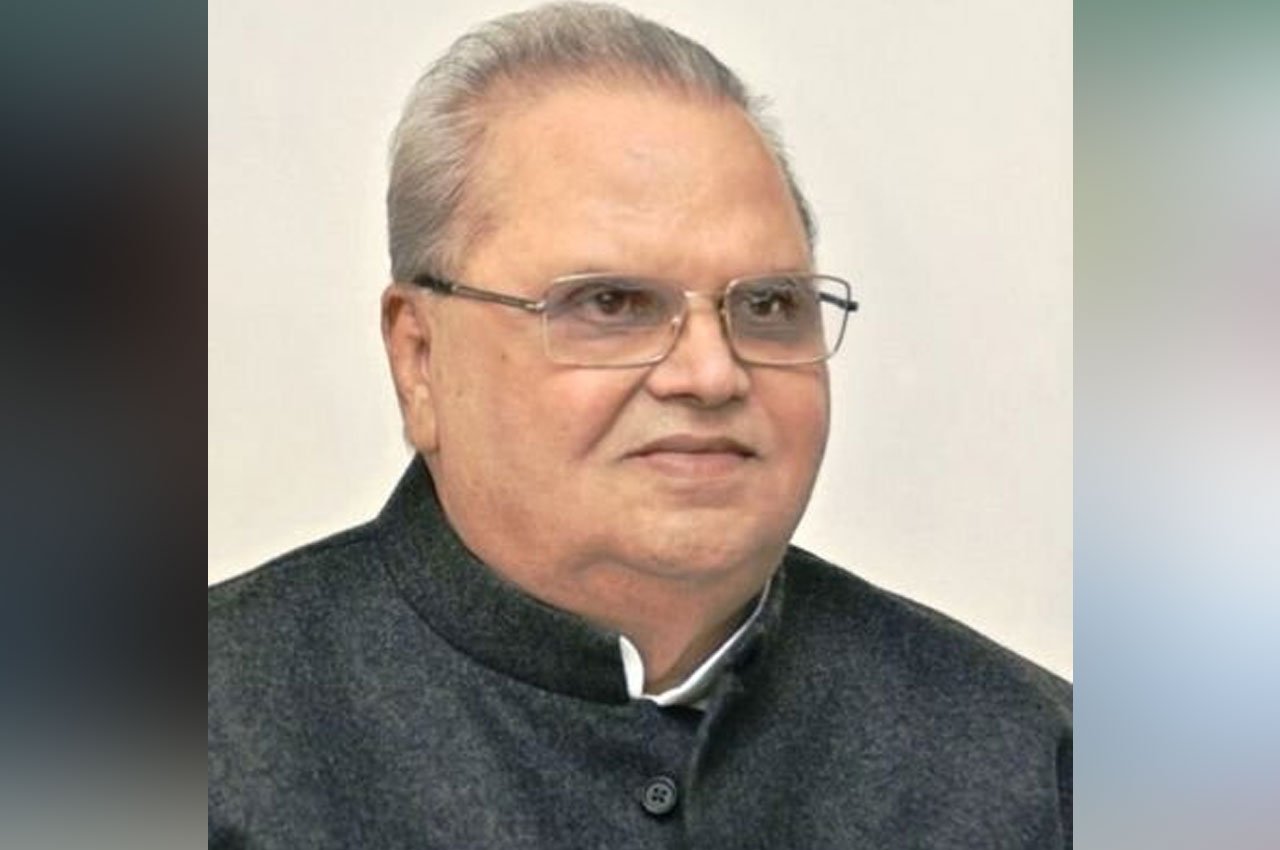
Former Jammu and Kashmir Governor Satyapal Malik passed away at the age of 79 on August 5, 2025, after a prolonged illness. According to The Times of India, he had been undergoing treatment at Ram Manohar Lohia Hospital in Delhi for over two months. His death marks the end of an era in Indian politics, with a career spanning more than five decades across multiple parties, ideologies, and high constitutional positions.
A Political Journey Spanning Decades
Born on July 24, 1946, in Hisawada, Uttar Pradesh, Satyapal Malik began his political journey as a student leader, eventually rising to prominence during the post-Emergency period. He was elected as an MLA from Baghpat in 1974 on a Bharatiya Kranti Dal ticket and later joined the Lok Dal under Charan Singh.
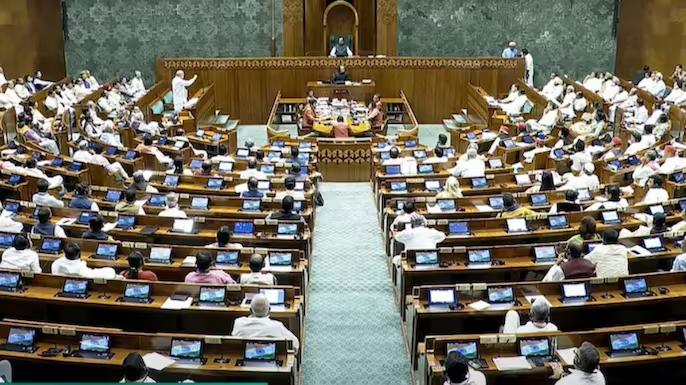
Over the years, Malik served in both houses of Parliament – first in the Rajya Sabha from 1980 to 1989, and later as a Lok Sabha MP from Aligarh between 1989 and 1991. In 1990, he was appointed as Minister of State for Parliamentary Affairs and Tourism in the V. P. Singh-led government. His political affiliations over the years included the Janata Dal, Congress, Samajwadi Party, and finally, the Bharatiya Janata Party (BJP), which he joined in 2004.
Governor During a Defining Moment
Malik’s most defining role came in August 2018, when he was appointed as the Governor of Jammu and Kashmir. It was during his tenure that the Government of India took the historic step of abrogating Article 370 on August 5, 2019 – revoking the state’s special status and reorganizing it into two Union Territories: Jammu and Kashmir, and Ladakh.
His role during this critical transition was closely watched, as he was the last Governor of the erstwhile state before it lost its statehood. After the bifurcation, Malik was transferred to Goa and later to Meghalaya, where he continued to serve until 2022.
Known for Speaking His Mind
Even while holding constitutional posts, Malik remained outspoken and often controversial. He frequently criticized the Central government, especially over its handling of the Pulwama terror attack in 2019. He claimed that intelligence and security lapses were brushed aside, and made headlines by saying that “lives could have been saved.”
He also stood firmly with the farmers during their protests against the now-repealed farm laws, often voicing strong support for their demands. His frank remarks on issues ranging from corruption to governance made him a political outlier—both admired and criticized for his Candor.
Final Days at RML Hospital
Malik was admitted to RML Hospital on May 11, 2025, after developing a urinary tract infection. His condition worsened due to complications like sepsis, acute kidney failure, pneumonia, and multiple organ dysfunction. Despite intensive care, including dialysis and ventilator support, his health continued to deteriorate. He passed away at 1:10 pm on August 5.
CBI Chargesheet Just Before Death
In a dramatic twist, just hours before his passing, the Central Bureau of Investigation (CBI) filed a chargesheet against Malik and others in connection with alleged irregularities in the ₹2,200 crore Kiru Hydroelectric Project in Jammu and Kashmir. The chargesheet accused him of bypassing mandatory e-tendering norms and favouring select companies while in office.
Malik had previously stated that these allegations were politically motivated and a consequence of his vocal criticism of powerful interests.
Tributes Pour In Across the Political Spectrum
Condolences came in from across party lines. Congress leader Priyanka Gandhi Vadra said Malik was “fearless in his views” and “stood by truth even in adversity.” West Bengal Chief Minister Mamata Banerjee called him a “brave voice of dissent” in today’s political climate. Many remembered him for his fierce independence, especially during his later years in constitutional positions.
A Complex and Lasting Legacy
Satyapal Malik’s political journey was anything but conventional. From being a socialist ideologue to becoming a BJP-appointed Governor who questioned the very government that appointed him, his trajectory was marked by ideological shifts but also by a consistent commitment to speaking the truth as he saw it.
His role in the abrogation of Article 370 will ensure his place in the history books. At the same time, his open criticism of government policies and his support for farmers gave him a rare reputation – one of a constitutional authority who did not shy away from uncomfortable questions.
Malik leaves behind a legacy that is both impactful and controversial, making him one of the most talked-about Governors in India’s recent political history.
Photo Credit: X
For more top stories click here
Follow us for latest updates: