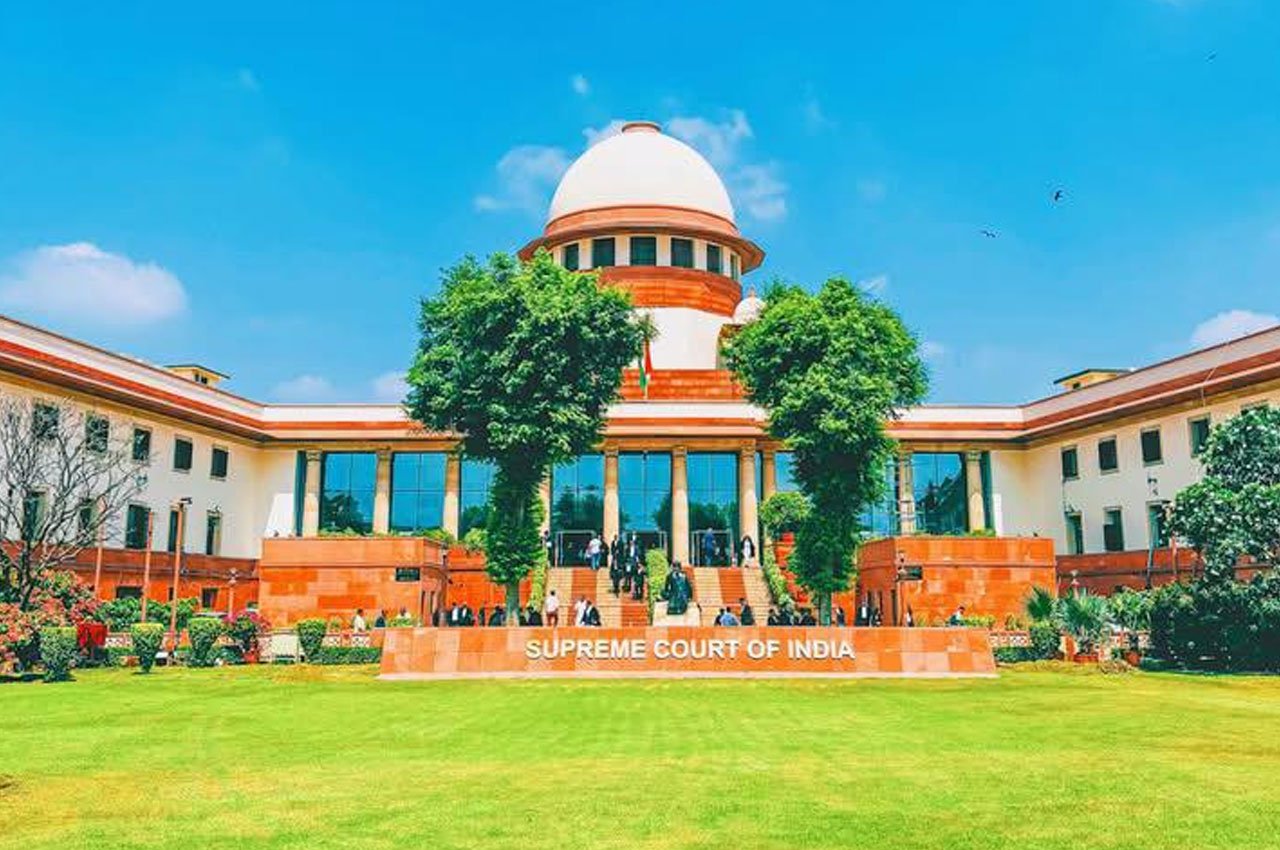
The Supreme Court of India is set to hear a crucial plea on August 8, 2025, seeking clarity on the timeline for restoring Jammu and Kashmir’s statehood, which remains pending nearly six years after the abrogation of Article 370, reported Live Law. The development has once again brought the spotlight back on the region’s political future, democratic deficit, and central promises that remain unfulfilled.
From State to Union Territory
On August 5, 2019, the central government revoked the special status of Jammu and Kashmir under Article 370 and reorganized the region into two Union Territories – Jammu & Kashmir and Ladakh. While the move was hailed by many as a step towards integration and development, it also drew sharp criticism for being unilateral and lacking local consent.
The Centre, at the time, assured that statehood would be restored to Jammu and Kashmir in due course. However, six years down the line, the absence of a democratically elected government and indefinite postponement of assembly elections have raised concerns among citizens, political parties, and legal experts alike.
Supreme Court’s 2023 Verdict: A Conditional Green Light
In December 2023, a five-judge Constitution Bench of the Supreme Court upheld the Centre’s decision to abrogate Article 370, ruling it constitutional. However, the same verdict stressed that statehood must be restored at the “earliest possible” opportunity. The court refrained from issuing a deadline but made it clear that the Union Territory status should not be permanent.
With no fresh legislative elections or visible steps toward reinstating the region’s full statehood, the petitioners have approached the apex court again – this time seeking enforcement of the spirit of the 2023 verdict.
Petitioners Demand Accountability and Timeline
The new petition, filed by concerned citizens and supported by regional voices, contends that prolonged central rule is eroding federal values and democratic representation in Jammu and Kashmir. The petition seeks a clear commitment from the Union Government – preferably with a specific timeline – to restore full statehood and hold long-overdue assembly elections.
The plea highlights how the continued Union Territory status has restricted legislative debate, delayed development decisions at the grassroots level, and led to a disconnect between governance and people’s aspirations.
What to Expect on August 8
The August 8 hearing will test both the government’s intent and the judiciary’s willingness to monitor compliance with its own ruling. Legal observers expect the bench to ask the Centre for an update, possibly a roadmap, on restoring statehood.
It remains to be seen whether the Union Government will provide a definitive timeframe or cite security and administrative reasons for the delay.
Political Stakes High Ahead of Elections
The hearing also holds political significance as Lok Sabha 2024 elections are behind us, and assembly elections in several states, including J&K, are anticipated in the coming year. The return to statehood and elected governance remains a critical demand of almost all mainstream regional parties, including the National Conference (NC) and People’s Democratic Party (PDP).
Both parties have maintained that a return to democracy is essential for healing the region, especially after years of political disruption, economic downturn, and restricted civil liberties.
Centre’s Silence Raises Questions
Despite repeated assurances by Home Minister Amit Shah and other senior BJP leaders in the past, the lack of official communication on the status of statehood has raised eyebrows. While the government has cited security improvement and development post-2019, critics argue that administrative control without accountability has weakened public trust.
All Eyes on the Apex Court
As the Supreme Court prepares to hear the petition, Jammu and Kashmir stands at a crossroads. Whether the Centre will take a definitive stand on statehood or continue to defer the decision remains uncertain. But what’s clear is that the region’s democratic vacuum cannot be ignored forever.
The August 8 hearing may not bring an immediate resolution, but it could push the discourse forward and hold the government accountable to its own words — and the Constitution.
For more trending stories click here
Follow us for latest updates: