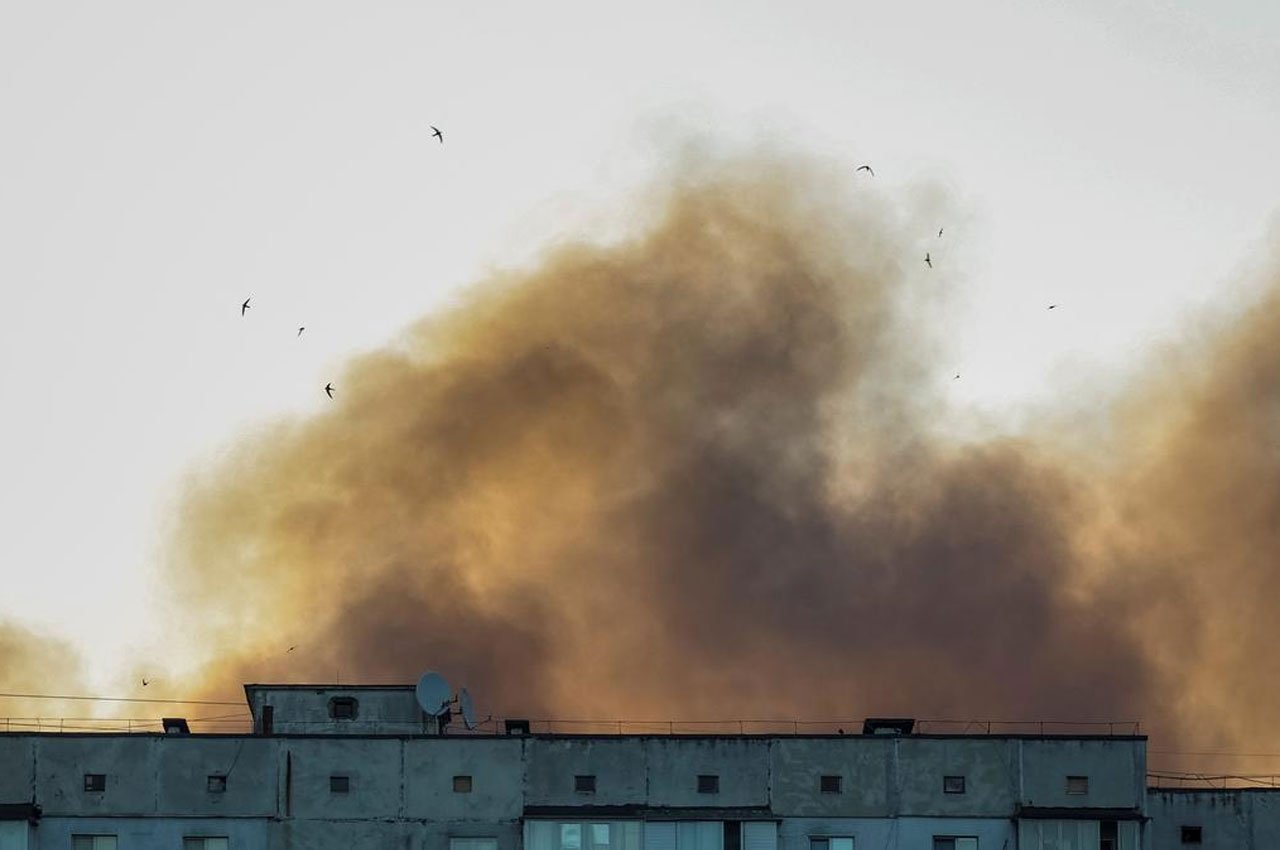
A violent attack rocked Quetta, the capital of Pakistan’s Balochistan province, when a suspected suicide bomber detonated explosives during a political gathering, killing at least 11 people and injuring dozens more, reported India Today. The tragedy has once again revealed the fragility of security in a region long afflicted by insurgency and unrest.
Attack Unfolds After Rally
The explosion ripped through the parking area outside a stadium in Quetta immediately after attendees were dispersing from a rally commemorating the death anniversary of veteran nationalist leader Sardar Ataullah Mengal. More than 30 people were wounded, many critically, as they left the venue. Authorities described the blast as a suicide attack, citing the discovery of the bomber’s remains.
The rally, organized by the Balochistan National Party (BNP), saw the attendance of its leader, Sardar Akhtar Mengal, who survived unhurt. Nonetheless, several of his supporters and party workers were among the fatalities and the injured. Recovery and investigation efforts are underway to determine who orchestrated the attack and why.
Past Violence Casts Long Shadow
The incident is part of a longer history of violence targeting civilians, politicians, and security personnel in Balochistan. In 2024, twin bombings near election campaign offices claimed upwards of 30 lives, an attack claimed by an affiliate of the Islamic State. Earlier in 2025, a school bus bombing in Khuzdar killed several children and others, allegedly orchestrated by the Balochistan Liberation Army (BLA).
These recurring attacks—now including today’s rally—highlight the region’s ongoing struggle with militant groups exploiting political gatherings to sow fear and destabilize governance.
Officials Condemn the Carnage
Balochistan’s Chief Minister labeled the bombing a “cowardly act” and pledged that the wounded would receive top-grade medical care. Security forces have tightened measures across Quetta, deploying additional personnel and launching urgent investigations.
Meanwhile, Pakistan’s Interior Minister blamed “India-backed terrorists and their facilitators” for the violence, though no credible evidence has been presented to substantiate these allegations.
Quetta Bears the Brunt of Instability
Quetta’s status as both a political and economic hub in Balochistan makes it a frequent target. Situated on the edge of the troubled province, the city struggles with a dual legacy of resource richness and underdevelopment. Efforts to quell separatist and religious militancy remain only partially successful, and such attacks reveal lingering vulnerabilities in security and intelligence networks.
A Grim Reminder for the Region
This latest attack comes amid a broader pattern of unrest in Pakistan’s border regions. Earlier today, another suicide assault struck a paramilitary base in Khyber Pakhtunkhwa, killing several soldiers. These incidents not only increase death tolls in an already fragile environment but also threaten to undermine public confidence.
With several prominent politicians present or nearby, the bombing carries the risk of political fallout. Leaders and communities will closely watch the government’s response and whether it can fulfill pledges of justice and deterrence.
A Reckoning: Security, Sympathy, and Stability
As rescue operations continue and investigations advance, Quetta’s community mourns. For many in Balochistan, the attack is another reminder of isolated politics and systemic neglect. In the days ahead, restoring trust and resilience will depend on transparent inquiry, renewed security focus, and meaningful dialogue.
In a land scarred by decades of conflict, a single incident like today’s has the power to either deepen despair or spark reform. Pakistan’s ability to decisively address the threat of insurgency—or be weakened by it—now rests under the harsh glare of history.
Photo Source: X
For more stories click here
Follow us for latest updates: