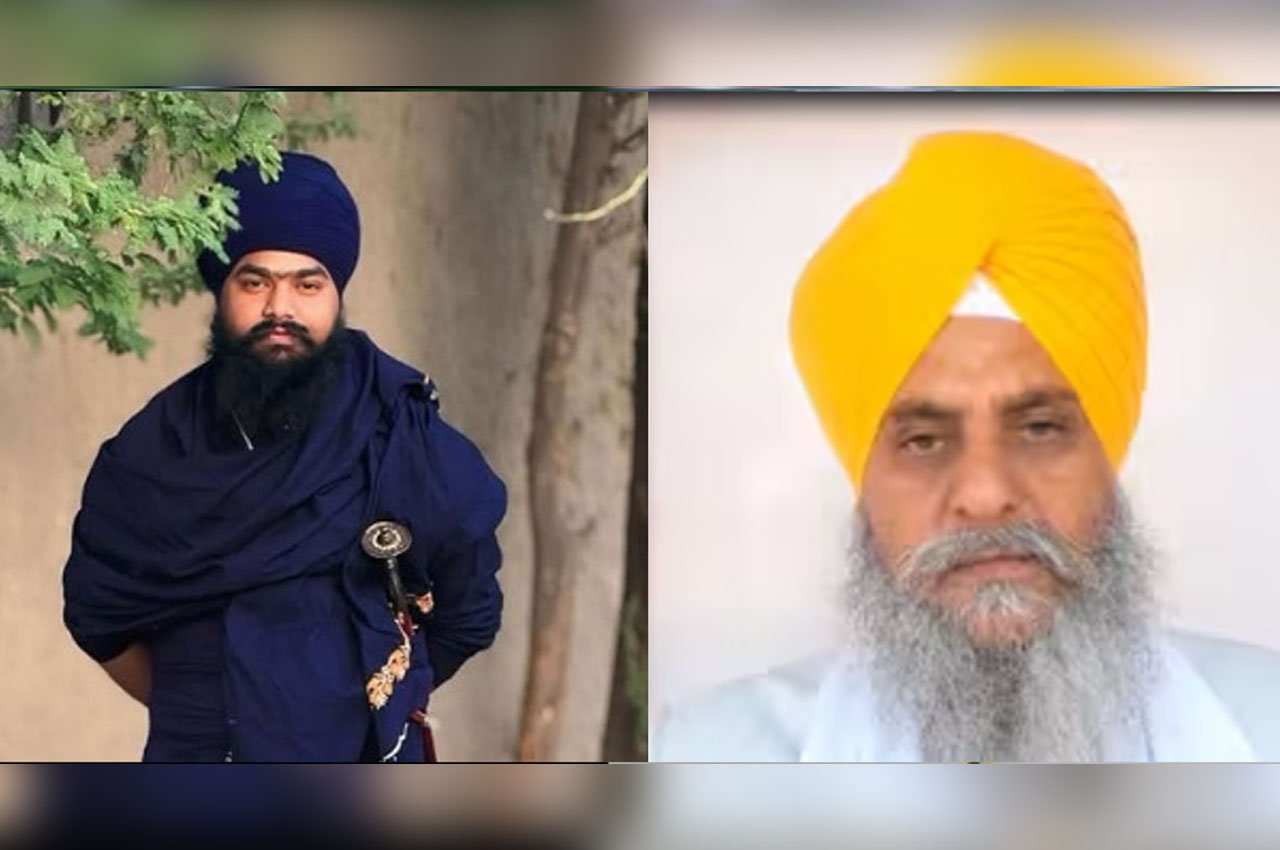
The Punjab Assembly witnessed unruly scenes on March 24, 2025, as Congress MLAs staged a dramatic walkout during the Governor’s Address. The protest was triggered after senior Congress leader and Bholath MLA Sukhpal Khaira was denied a chance to speak, sparking a sharp political face-off between the Opposition and the ruling Aam Aadmi Party (AAP).
The uproar unfolded during what is typically a ceremonial yet significant session that outlines the government’s vision and policy priorities. As soon as proceedings began, Sukhpal Khaira repeatedly sought permission to speak, but the Speaker, Kultar Singh Sandhwan, did not allow him to raise his point. The refusal escalated tensions within the House, leading to chaos and slogan-shouting by Congress members. In protest, the entire Congress Legislative Party walked out, accusing the Speaker of bias and stifling dissenting voices.
Leader of Opposition Partap Singh Bajwa, speaking to the media shortly after the walkout, condemned the incident, reported The Hindu. He alleged that democratic norms were being eroded under the current government, and that denying an elected representative the right to speak on the floor of the Assembly was a dangerous precedent. Bajwa stated that Khaira was merely attempting to raise a matter of public interest but was silenced by the Speaker without justification.
On the other hand, the ruling AAP government and Finance Minister Harpal Cheema defended the Speaker’s actions. Cheema claimed that Khaira had previously used unparliamentary language against the Speaker, and therefore, the decision to disallow him from speaking was in line with the rules of the House. He dismissed the walkout as a political stunt meant to grab headlines and avoid meaningful debate on the Governor’s Address.
The incident brings to light the increasing friction and partisanship that has come to define the functioning of the Punjab Legislative Assembly. What should have been a platform for serious discussion and policy scrutiny instead descended into political theatrics and walkouts, further delaying the legislative agenda.
This disruption has broader consequences. With Congress MLAs absent from the session, key legislative discussions were halted. This includes debate on the state budget, which is crucial for finalizing allocations for health, education, agriculture, and infrastructure. The walkout not only delayed proceedings but also highlighted a growing pattern of confrontation that has started to affect governance.
The unruly scenes also raise important questions about parliamentary conduct, freedom of expression within the Assembly, and the need for impartiality from those in charge of maintaining order. While the Speaker’s role is expected to be neutral, Opposition leaders accused him of favoring the ruling coalition and suppressing dissent. Meanwhile, the government maintains that decorum must be preserved and that disciplinary action is warranted when rules are violated.
In the backdrop of this chaos lies a larger trend observed across several state assemblies in India—where opposition voices are frequently curbed, and walkouts have become a regular tool of protest. In such an atmosphere, legislative productivity suffers, and crucial policy issues are often sidelined in favor of political one-upmanship.
Observers note that public trust in elected representatives can erode if elected assemblies are seen more as battlefields for political rivalries rather than platforms for constructive policymaking. While protest is an integral part of democracy, repeated disruptions and walkouts without dialogue threaten the functioning of democratic institutions.
The Punjab Assembly’s latest row is a clear reflection of this troubling shift. As both sides remain firm in their stance, the path ahead appears gridlocked. It remains to be seen whether the matter will be resolved through dialogue or if the House will continue to be marred by disruption and delay.
For now, Punjab finds itself once again grappling with a legislative deadlock at a time when pressing issues await attention—from farmer welfare and drug de-addiction policies to employment generation and budget execution. The unruly scenes and walkout may have ended for the day, but their political and administrative impact is likely to echo much longer.
Photo Credit: The Hindu
For more stories click here
Follow us for latest updates: