In Churachandpur district of Manipur, tensions flared into clashes on Sunday following the detention of two individuals accused of vandalising banners and cutouts of Prime Minister Narendra Modi. The incident underscores persistent unrest in the region despite recent efforts toward peace and reconciliation.
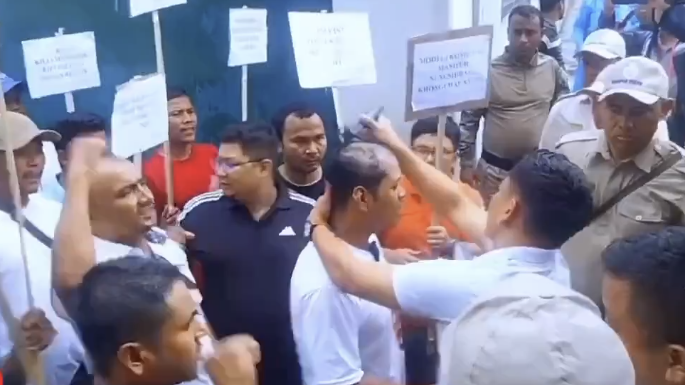
According to The Hindu, the events began when several banners and cut-outs put up in Pearsonmun and Phailien Bazaar were damaged late on a Thursday night. Police responded by temporarily detaining a number of youths. While most were released after questioning, two remained in custody. On Sunday afternoon, a protest demanding their release was held outside the Churachandpur Police Station. Protesters, many of them young people, attempted to storm the station. Security forces used lathi charges to push back the crowd, who allegedly threw objects in confrontation.
As the situation escalated, local authorities intervened, and legal channels were sought to address the detentions. By evening, a duty magistrate heard the case and granted bail to the two detained men. Following their release, the protests gradually subsided, and the situation largely stabilised.
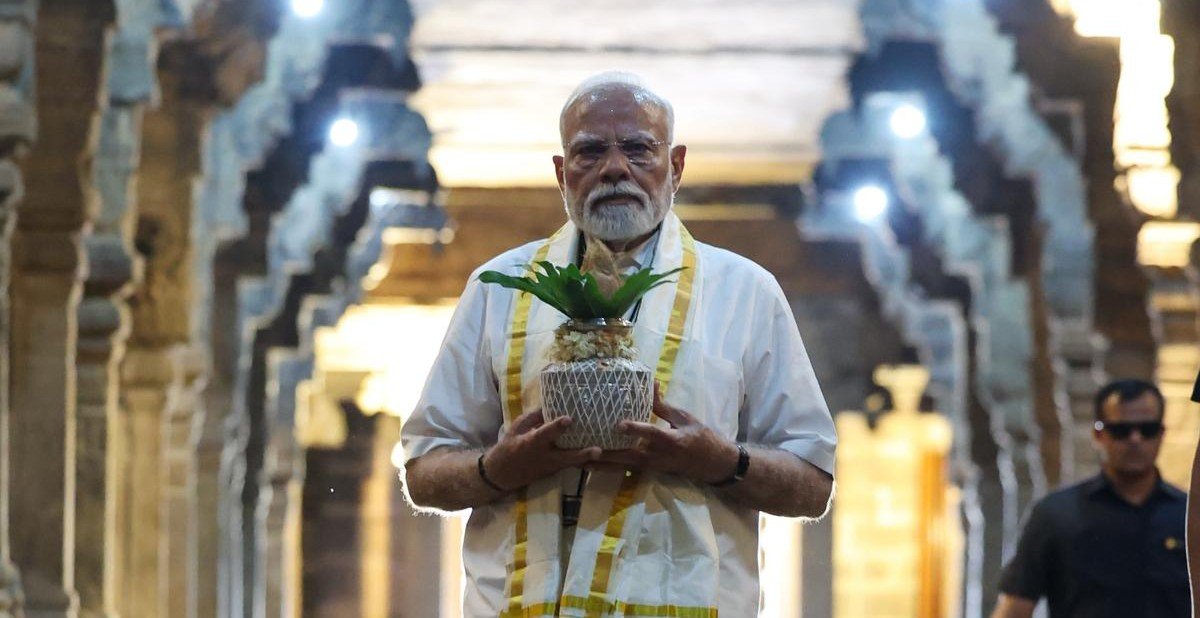
The protests came less than 24 hours after Prime Minister Modi visited Manipur for the first time since the outbreak of major ethnic violence in May 2023. During his visit, Modi had addressed a public rally in Churachandpur, seeking to project peace in the region and pledging that Manipur would become a “symbol of peace.” He also met people impacted by ongoing conflict and announced development initiatives.
This latest flare-up highlights the fragile nature of peace in Manipur. Even symbolic acts—such as the vandalism of cutouts—can trigger sharp reactions when underlying grievances are not addressed. Local youth mobilisations under slogans like “Gen-Z for our two brothers” indicate both the immediacy and the emotional intensity of the response, especially among younger populations disillusioned with slow progress.
Observers point out several issues at play. First is the symbolic value of the cutouts and banners, which were intended to signal respect or welcome for the Prime Minister. Their destruction is being interpreted by many protestors as more than simple vandalism—seen instead as an affront in a context already fraught with communal and ethnic tension. Second, the demand for legal justice and due process (in this case, release or fair treatment for those detained) shows that trust in institutions and law enforcement remains contested. Third, even in moments when top leadership makes visible gestures (such as Modi’s visit and project announcements), local flashpoints can undercut messages about peace and reconciliation.
Authorities have emphasised restoration of order and appealed for calm. So far, no reports suggest major injuries or prolonged damage, and the grants of bail seem to have helped calm immediate tensions. Still, the deeper underlying conflict—over identity, belonging, governance, and protection—remains.
As Manipur seeks to move forward from the tragedy of violence and displacement over the past two years, incidents such as this serve as reminders that social peace depends not just on big gestures but also on everyday respect, accountability, and trust. Churachandpur’s protests are signals that many feel left out, unheard, or mistrusted, especially among younger residents.
Photo Source: X
For more stories click here
Follow us for latest updates: