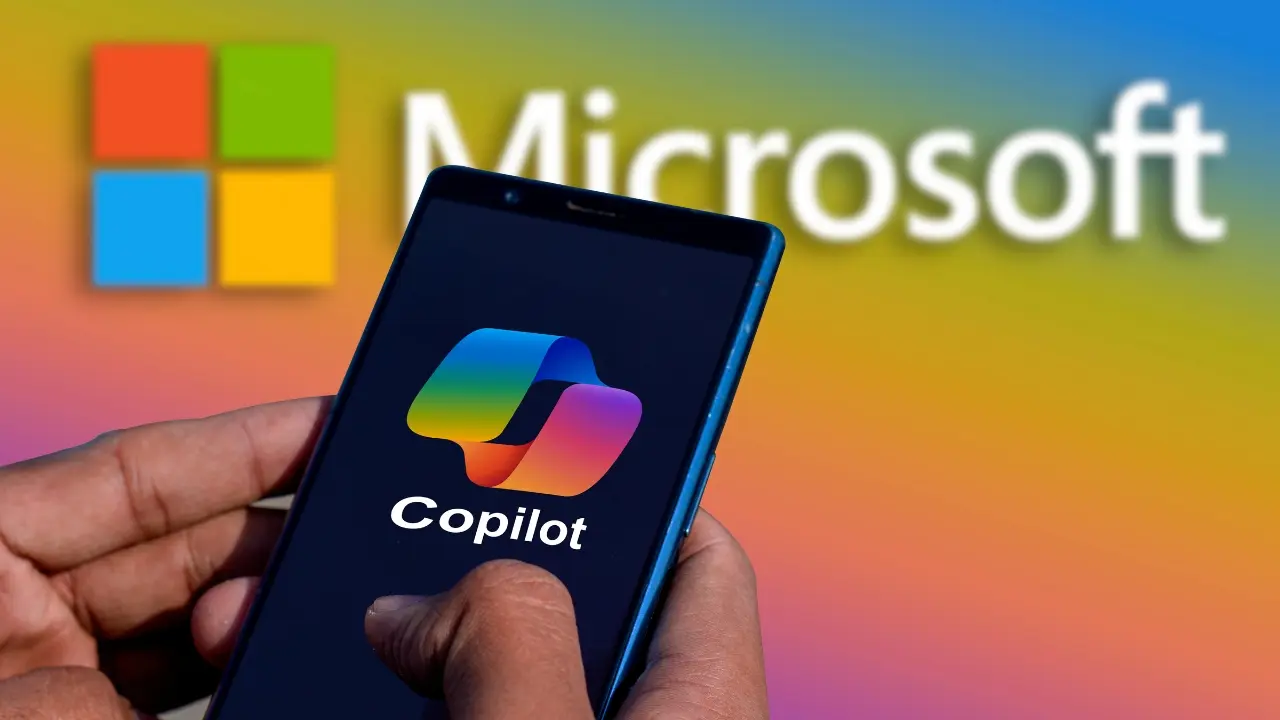
In a move poised to reshape how creators interact with digital media, Microsoft has launched Copilot 3D, an AI-powered tool that transforms a single 2D image into a fully interactive 3D model. Integrated within Copilot Labs and powered by Microsoft’s latest AI advancements, this feature aims to make 3D model creation “fast, accessible and intuitive” — no expertise required.
How It Works & Early Impressions
Accessible via Copilot.com after logging in, users head to the Labs sidebar, select “Copilot 3D,” and upload a PNG or JPG (maximum 10MB). Within seconds to a minute, the system delivers a downloadable GLB-formatted 3D model, compatible with design tools, game engines, and AR/VR platforms.
Hands-on testers report success with inanimate objects—furniture, bananas, umbrellas, VR headsets—producing impressively accurate models. However, the tool demonstrates limitations when presented with screens, animals or people, sometimes generating distorted or bizarre outputs.
Microsoft has also implemented content guardrails, blocking images of public figures or copyrighted material. Uploaded content remains available in a “Creations” section for up to 28 days before being automatically deleted.
A Rising Tide: Similar Tools Making Waves in Photo-to-3D AI
Microsoft isn’t the only player making strides. Several AI innovations are breaking new ground in transforming flat imagery into 3D content.
- Google DeepMind’s Genie 3 (August 2025): This real-time engine creates playable, responsive 3D worlds from text or image prompts. Users can manipulate animations, alter weather, and enjoy persistent scene history — rendered at high quality and smooth frame rates.
- Tencent’s Hunyuan3D-2.0 (March 2025): This Chinese tech giant released open-source AI models that convert text and images into 3D visuals within 30 seconds, delivering high precision and benchmark-leading quality.
- Roblox’s Cube 3D (early 2025): A model focused on rapid 3D mesh generation aimed at developers, with plans to evolve into a multimodal system that accepts text, images, and video inputs.
- World Labs, a startup founded by AI pioneer Fei-Fei Li, is pushing the envelope of creative conversion — turning still images into immersive 3D worlds, including imaginative, art-style environments.
What This Means — and What’s Next
The unveiling of Copilot 3D marks a significant step toward lowering technical barriers in creative workflows. Its strength lies in speed, ease, and seamless integration within the broader Copilot AI ecosystem. Despite early limitations — especially with human subjects or complex scenes — its potential spans educators, hobbyists, game designers, and content creators. Meanwhile, competitors are opening new frontiers, from interactive worlds to open-source 3D model engines and specialized mesh generators.
As AI continues to evolve, we can expect improvements in object recognition, texture accuracy, and support for more complex scenes. The race between Microsoft, Google, Tencent, and innovative startups is set to push 3D content generation into new territories.