
Photo Credit: Meta
Meta is gearing up for its next big leap in wearable technology with smart glasses that fuse artificial intelligence, high-end fashion, and cutting-edge utility. Following the successful rollout of Ray-Ban Meta smart glasses, Meta is now reportedly collaborating with iconic luxury brand Prada for its next generation of AI-powered eyewear. Simultaneously, the third generation of Ray-Ban Meta glasses is in advanced stages of development and could launch later this year.
Meta’s Shift Toward Premium Fashion
Meta’s venture into premium fashion through a potential collaboration with Prada signals a clear shift in its wearables strategy. Prada, known for its high-fashion aesthetics and bold designs, offers a distinct style identity that could elevate Meta’s smart glasses beyond utilitarian tech accessories to premium lifestyle statements.
This is Meta’s first anticipated collaboration beyond the Ray-Ban line created in partnership with EssilorLuxottica. Prada smart glasses are expected to retain the AI capabilities already seen in Ray-Ban models—voice-controlled assistant, camera functions, translation, and livestreaming—while introducing a design language aligned with high fashion.
While no official launch date has been announced, internal developments suggest Meta is experimenting with Prada’s signature thick-rimmed frames, which are better suited for housing hardware components like microprocessors, cameras, and microphones.
Oakley Meta Glasses for Athletes
Before the Prada collaboration hits the shelves, Meta is set to launch another variant: Oakley-branded Meta smart glasses. Scheduled for release on June 20, this rugged, sport-focused model is designed for athletes and outdoor enthusiasts. Oakley Meta glasses will likely include enhanced durability features such as water resistance, impact-resistant frames, and a more centered camera placement—suited for activities like cycling, skiing, or running.
These glasses are expected to carry a price tag around $360 and will offer the same AI integration as their Ray-Ban counterparts, with real-time language translation, photo and video capture, and integration with Meta’s AI assistant.
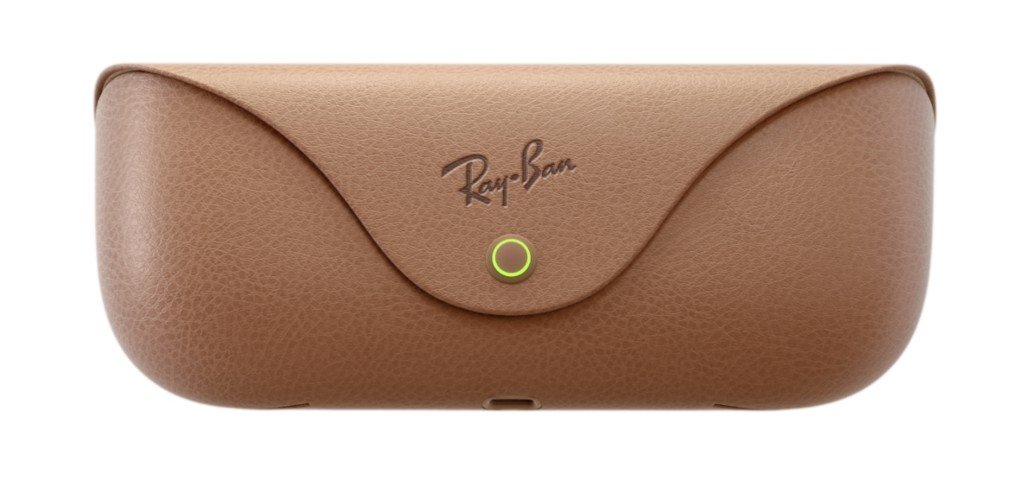
Ray-Ban Gen 3 Smart Glasses Incoming
Meanwhile, the next iteration in the Ray-Ban lineup—Ray-Ban Meta Gen 3—is in the pipeline. Early reports suggest that the third generation may include a built-in display, finally pushing Meta’s eyewear into augmented reality territory. Users may be able to view contextual information, receive notifications, and interact with AR-based applications directly within the lens.
The Ray-Ban Meta glasses have sold over two million units globally since their launch. Their growing popularity is attributed to the combination of stylish design, built-in AI capabilities, and seamless connectivity with smartphones and social media platforms. The upcoming generation may improve upon the voice assistant’s contextual understanding, enhance battery life, and support more advanced AI interactions.
A Growing Competitive Landscape
Meta is not alone in the smart glasses race. Tech giants like Apple, Google, and Snap are also investing heavily in the AR and wearable space. Google is reportedly working on smart eyewear with Warby Parker, while Snap is preparing its sixth-generation AR Spectacles. Apple, though secretive, is also rumored to be developing its own version of AI-powered glasses.
Market analysts predict the smart glasses industry could grow at a compound annual rate of 47%, reaching nearly 9 million shipments globally by 2025. As hardware miniaturization, AI capability, and design converge, smart glasses are set to become the next big category in consumer tech.
Privacy Concerns Remain
Despite the innovation and excitement surrounding smart glasses, concerns remain around privacy and data security. The inclusion of always-on microphones and cameras has led to scrutiny from privacy advocates. Critics argue that the ability to record without obvious visual cues can lead to misuse, particularly in public or private spaces.
Meta has attempted to mitigate these concerns by adding LED indicators and limiting facial recognition features in certain regions. However, regulatory environments like those in the European Union may continue to shape how AI functionalities are implemented across various markets.
The Road Ahead for Meta’s AI Wearables
With the expansion into Prada and Oakley, Meta is clearly positioning itself to cover both ends of the market: luxury and lifestyle on one hand, and performance-driven utility on the other. The upcoming Ray-Ban Gen 3 smart glasses could act as a bridge toward full-scale AR eyewear, setting the stage for even more immersive and intelligent experiences in daily life.
As Meta evolves its ecosystem of smart wearables, the fusion of artificial intelligence, augmented reality, and high fashion may not just change how we see the world—but also how the world sees us.