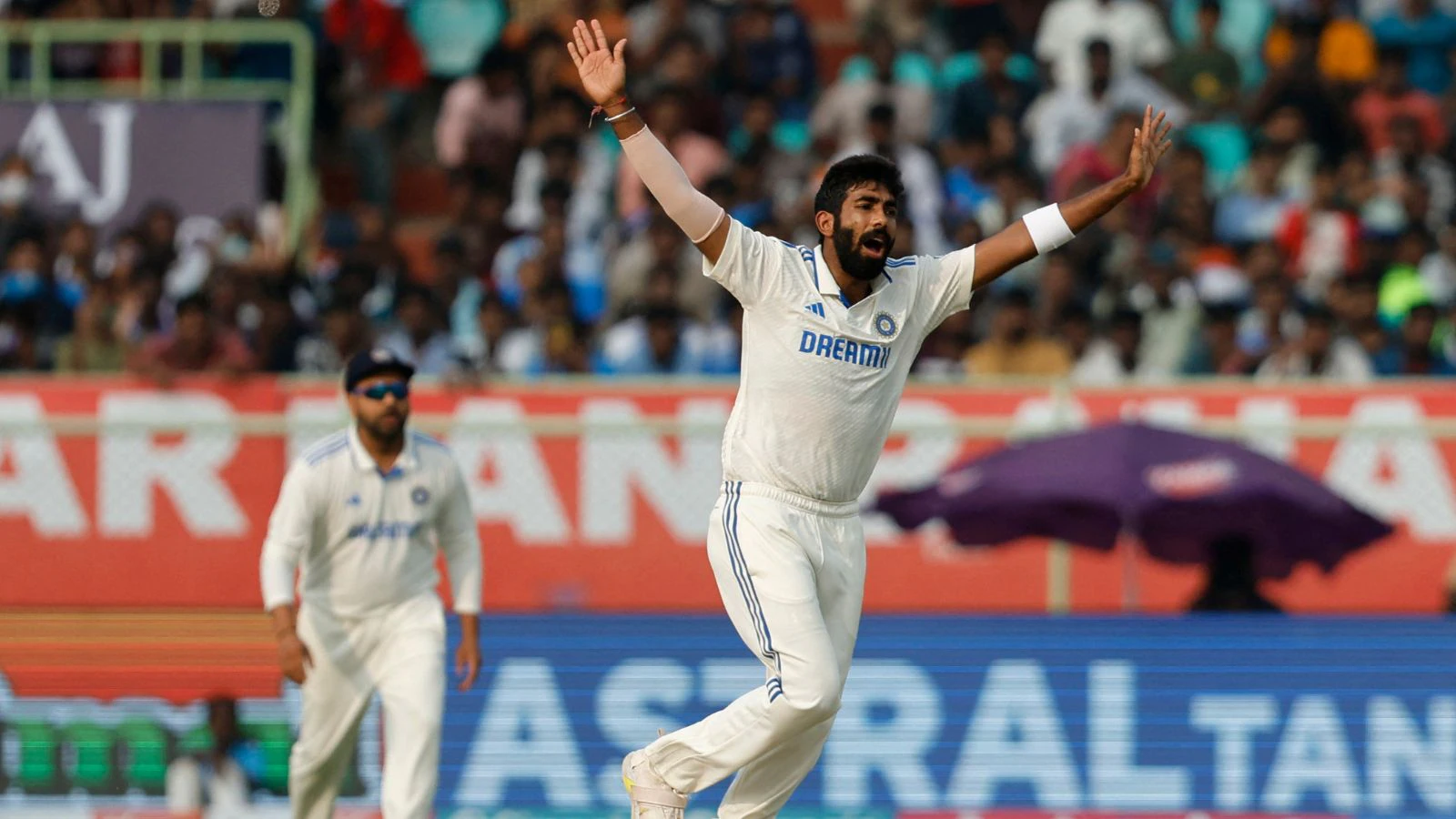
In a landmark reform, the National Sports Governance Bill, 2025 has received the President of India’s assent, transforming it into the National Sports Governance Act, 2025. Presented with much anticipation, the legislation marks a pivotal shift in how Indian sports bodies will be structured, regulated, and held accountable.
From Bill to Act: A Swift Passage
The proposed legislation was introduced in the Lok Sabha on July 23, 2025, followed by a timely passage through both houses of Parliament. The Lok Sabha approved it on August 11, with the Rajya Sabha giving its nod the very next day. On August 18, the President provided formal assent, and it was officially notified and published for public record. This rapid progression reflects broad consensus on the need for sports governance reform in India.
Purpose and Scope of the Act
The National Sports Governance Act, 2025, establishes a comprehensive legal framework for sports administration in India. Its long title underscores its objectives: promoting ethical, transparent, and accountable sports governance in line with international standards, including the Olympic and Paralympic Charters. The Act mandates ethical conduct, institutionalized dispute resolution, and athlete-centric governance practices.
Key components of the legislation include:
- National Sports Governing Bodies
The Act formally recognizes the National Olympic and Paralympic Committees, along with a specialized National Sports Federation for each sport and sub-national affiliates. Executive committees are capped, must include athletes and women, and are subject to tenure limits. - National Sports Board (NSB)
A new apex body authorized by the Central Government, the NSB will handle recognition, regulation, oversight, and governance of sports bodies. It will act as both a regulator and facilitator, ensuring uniform standards across federations. - Safe Sports and Ethics Codes
Federations must adopt codes aligned with international norms and a Safe Sports Policy that protects athletes—especially women, children, and vulnerable participants—from abuse and misconduct. - Election Oversight
Elections for national and state-level sports bodies will now be administered by a National Sports Election Panel, staffed by former election officials. This aims to minimize influence, manipulation, and disputes. - National Sports Tribunal
Dispute resolution is assigned to a tribunal chaired by a Supreme Court judge or Chief Justice of a High Court, streamlining disputes related to governance, recognition, and eligibility. Appeals can only be escalated to the Supreme Court unless international event rules require other forums. - Transparency and Accountability
Recognized bodies must function as public authorities under the Right to Information (RTI) Act. Financial audits by the Comptroller and Auditor-General are mandated, and a Sports Board Fund is created to manage grants and funding. - Use of National Symbols
Any organization using words like “India”, “National”, or related insignia requires specific approval from the Central Government, preventing unauthorized representation in sports.
Expected Impact and Benefits
This Act is poised to transform Indian sports governance across several axes:
- More Professional Oversight
The NSB’s regulatory power will effectively cut through factional politics and power imbalances that have historically plagued sports federations. - Athlete-Focused Governance
Institutionalized athlete representation in decision-making and enhanced protocols for safety and welfare aim to redefine athlete trust and security. - Election Integrity
Installing an independent election panel can drastically reduce disputes and improve administrative transparency in leadership selection. - Accessible Governance
RTI compliance and statutory funding increase accountability, making federations answerable to athletes, stakeholders, and the public. - Better Dispute Resolution
A dedicated tribunal allows for faster resolution of governance and regulatory disputes, reducing reliance on court litigation.
What Lies Ahead
Implementing this Act will require setting up new institutions, training administrators, and aligning international and national stakeholders. Challenges may include:
- Capacity Building: Ensuring trained personnel staff the NSB, tribunal, and oversight panels.
- Resistance from Existing Entities: Some federations may resist structural changes or election norms mandated by the Act.
- Federation Coordination: Ensuring buy-in from sports bodies across the country to internalize new governance standards.
Despite challenges, the political will, cross-party consensus, and urgency bestowed by India’s ambitions—especially its bid for hosting major events like potential Olympics—create a conducive environment for reform.
Concluding Thoughts
The National Sports Governance Act, 2025, marks a watershed moment in India’s sporting history. It signals a move from informal arrangements and ad-hoc structures toward a systematic, institutionalized, and modern governance model. Its impact could extend beyond sports, serving as a template for governance reform in other sectors reliant on federated bodies.
By institutionalizing transparency, athlete welfare, and accountability, India has made a bold commitment to align its sports administration with global best practices. This Act opens a new chapter—one where sports can now be administered not on legacy or power politics, but on ethics, professionalism, and merit.
Photo Credit: https://www.presidentofindia.gov.in/