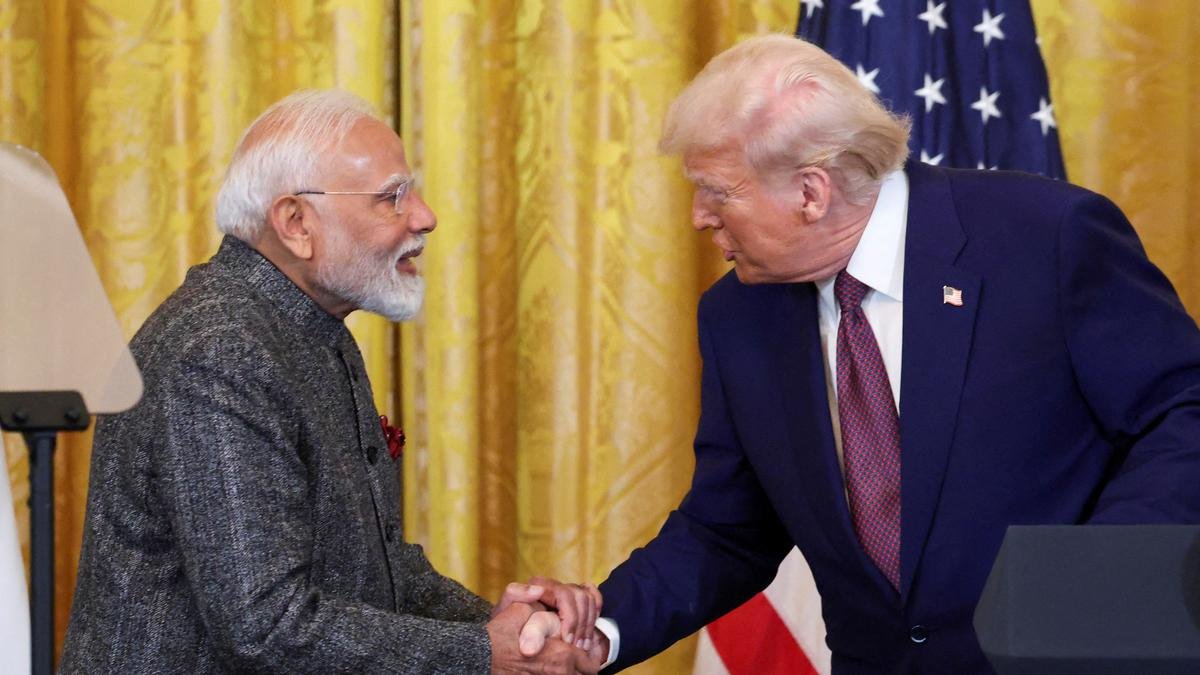
New Delhi is once again at the center of high-stakes diplomacy as India and the United States opened their first in-person trade talks since the imposition of steep tariffs during Donald Trump’s presidency reported The Times of India. The meeting marks a significant reset in bilateral economic engagement, coming after years of friction over market access, tariffs, and investment flows.
The Indian delegation, led by Commerce and Industry Minister Piyush Goyal, welcomed U.S. Trade Representative Katherine Tai for a series of discussions that many observers see as a step toward rebuilding trust between the two democracies. While the mood is cautiously optimistic, both sides acknowledge that the legacy of the Trump-era 50 percent tariffs still casts a long shadow over negotiations.
Back in 2018, Washington stunned New Delhi by raising tariffs on steel and aluminum imports, citing national security concerns. India retaliated with its own duties on American goods such as almonds, apples, and walnuts, sparking a trade spat that disrupted a partnership once hailed as a natural alliance. Trump’s tariffs were not just symbolic; they hit sectors that matter deeply to India’s export basket and eroded confidence in the predictability of U.S. trade policy.
Now, the Biden administration is looking to steady ties at a time when geopolitical compulsions—from China’s growing assertiveness to the realignment of global supply chains—make an India–U.S. partnership more critical than ever. Yet trade negotiators remain realistic about the challenges.
For India, priority issues include securing greater access for pharmaceuticals, textiles, and information technology services, as well as pushing back against U.S. concerns on digital trade rules and agricultural subsidies. For Washington, the focus lies on addressing India’s tariffs on agricultural imports, improving intellectual property protections, and reducing barriers for American technology companies operating in the Indian market.
The talks are also layered with strategic considerations. Both nations are part of the Quad grouping, committed to ensuring a free and open Indo-Pacific, and economic cooperation is seen as a vital pillar of this agenda. A more stable and forward-looking trade framework could strengthen India’s role in diversifying supply chains away from China, aligning with U.S. strategic interests.
Experts say the symbolism of these talks is as important as the outcomes. Even if no dramatic breakthroughs are announced immediately, the willingness to sit across the table after years of virtual or suspended dialogues signals that both sides are ready to move beyond past grievances. Analysts note that while Washington continues to protect certain domestic industries, it also recognizes that alienating India at a time of global economic uncertainty would be counterproductive.
For India, rebalancing trade with the U.S. is not just about exports and imports. It is about positioning itself as a reliable partner in the global economy, one capable of providing both manufacturing alternatives and a vast consumer market. As Goyal emphasized in his opening remarks, India is committed to “mutual growth, fairness, and resilience” in its trade relations.
Yet the road ahead will not be smooth. Contentious issues such as data localization requirements, e-commerce regulations, and the role of agricultural subsidies are likely to resurface repeatedly. American negotiators will also push India to open up more sectors to foreign direct investment, while New Delhi will demand assurances that any concessions will not be upended by sudden policy shifts in Washington.
For now, optimism stems from the fact that both sides are talking again with seriousness of purpose. The presence of senior-level delegations in New Delhi suggests a recognition that the economic partnership cannot be left on autopilot at a time when global trade dynamics are undergoing rapid transformation.
Whether these discussions yield a framework agreement or merely lay the groundwork for future progress, the fact remains that India and the United States are at an inflection point. After the shockwaves of Trump’s 50 percent tariffs, today’s talks represent the first real opportunity to chart a new course—one that could redefine not just bilateral trade but also the global economic order in the years to come.
For more stories click here
Follow us for latest updates: