In a major move signaling cross-industry collaboration, General Motors (GM) and Hyundai Motor Company have announced a strategic partnership to co-develop five next-generation vehicles by 2028. This bold alliance is set to reshape automotive competition globally, particularly in markets like Central and South America, as well as North America.
A Joint Vision for the Future of Mobility
The partnership includes:
- Four hybrid and ICE-powered vehicles: A compact SUV, a sedan, a compact pickup, and a mid-size pickup, primarily targeting emerging markets in Central and South America.
- One electric commercial van, designed specifically for North America, which will be positioned below GM’s existing BrightDrop EV lineup.
These co-developed vehicles will share core architectures but maintain distinct brand identities in terms of design, features, and user experience.
Division of Responsibilities: Playing to Strengths
In this collaboration, GM will lead development of the mid-size pickup truck, capitalizing on its extensive experience and strong market presence in that segment. Meanwhile, Hyundai will take the lead on the compact SUV, sedan, and EV van, leveraging its innovation in fuel efficiency, electrification, and compact vehicle platforms.
This structured division ensures each automaker focuses on its strengths while benefiting from shared resources, reduced costs, and faster time to market.
Strategic Timing Amid Market Disruption
This collaboration comes at a time when global automakers face increasing competition from low-cost Chinese carmakers and pressure to transition towards electrification. By pooling resources, GM and Hyundai aim to:
- Cut development and production costs
- Share supply chains and sourcing operations
- Accelerate innovation in hybrid and electric vehicles
- Expand product offerings across more segments without overextending individual R&D teams
Additionally, this partnership offers GM access to Hyundai’s hybrid expertise, while Hyundai benefits from GM’s scale and pickup market experience—especially in North America.
A Broader Trend in the Auto Industry
The GM-Hyundai alliance reflects a growing industry shift toward strategic joint ventures and platform sharing. As manufacturers race toward more sustainable, connected, and cost-effective mobility solutions, such collaborations are becoming key to surviving and thriving in a hyper-competitive environment.
This partnership will also focus on:
- Sustainable sourcing of low-carbon materials
- Next-gen supply chain optimization
- Global manufacturing efficiencies
These efforts underscore how leading automakers are responding to economic, technological, and regulatory challenges through consolidation and cooperation.
Production Targets and Global Impact
The two companies aim to collectively produce over 800,000 vehicles annually through this partnership once full-scale operations begin. The impact of this collaboration is expected to be especially significant in developing markets, where demand for reliable, affordable, and efficient vehicles continues to rise.
In North America, the electric van project is particularly noteworthy, as it aligns with growing demand for commercial EVs and fleet electrification solutions.
Final Thoughts
The GM and Hyundai partnership to develop five next-gen vehicles marks a pivotal moment in the global automotive landscape. With shared investment, complementary strengths, and a unified vision for hybrid and electric mobility, this alliance stands to redefine value, efficiency, and innovation in both mature and emerging markets.
As automakers face mounting pressure from rising competition and shifting consumer preferences, such global collaborations may become the new blueprint for long-term success.
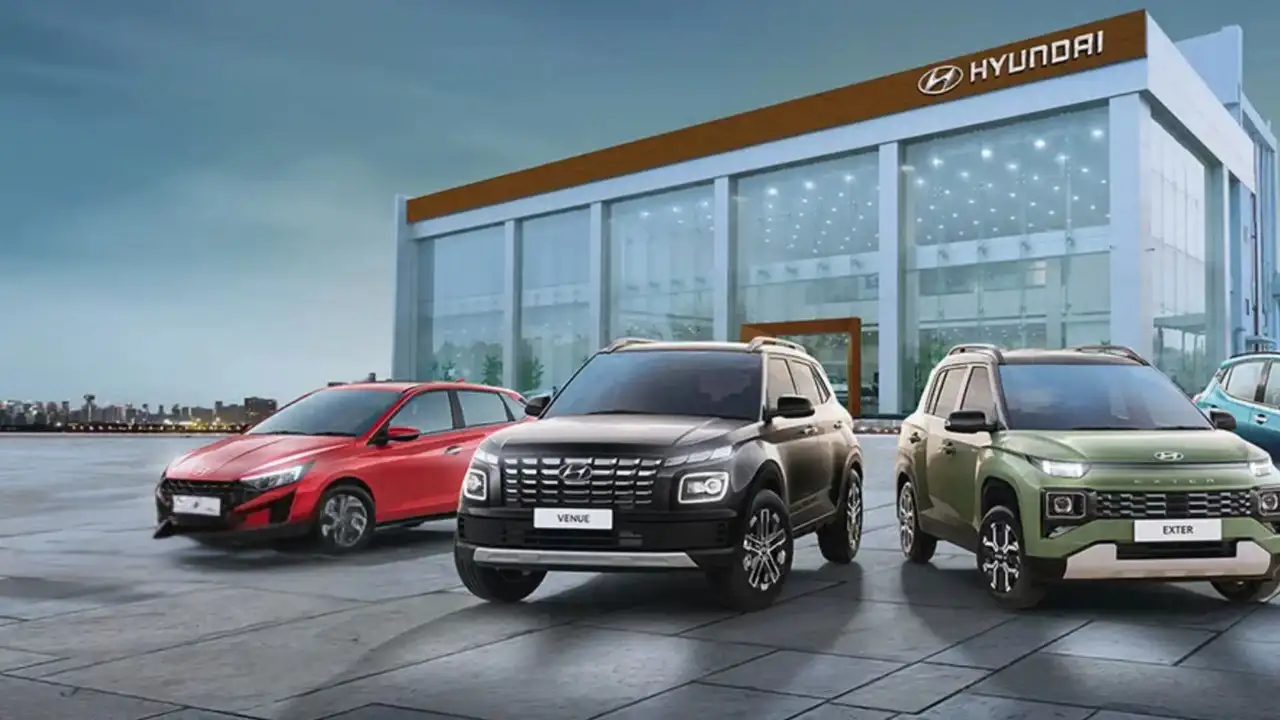
Photo Credit: Hyundai