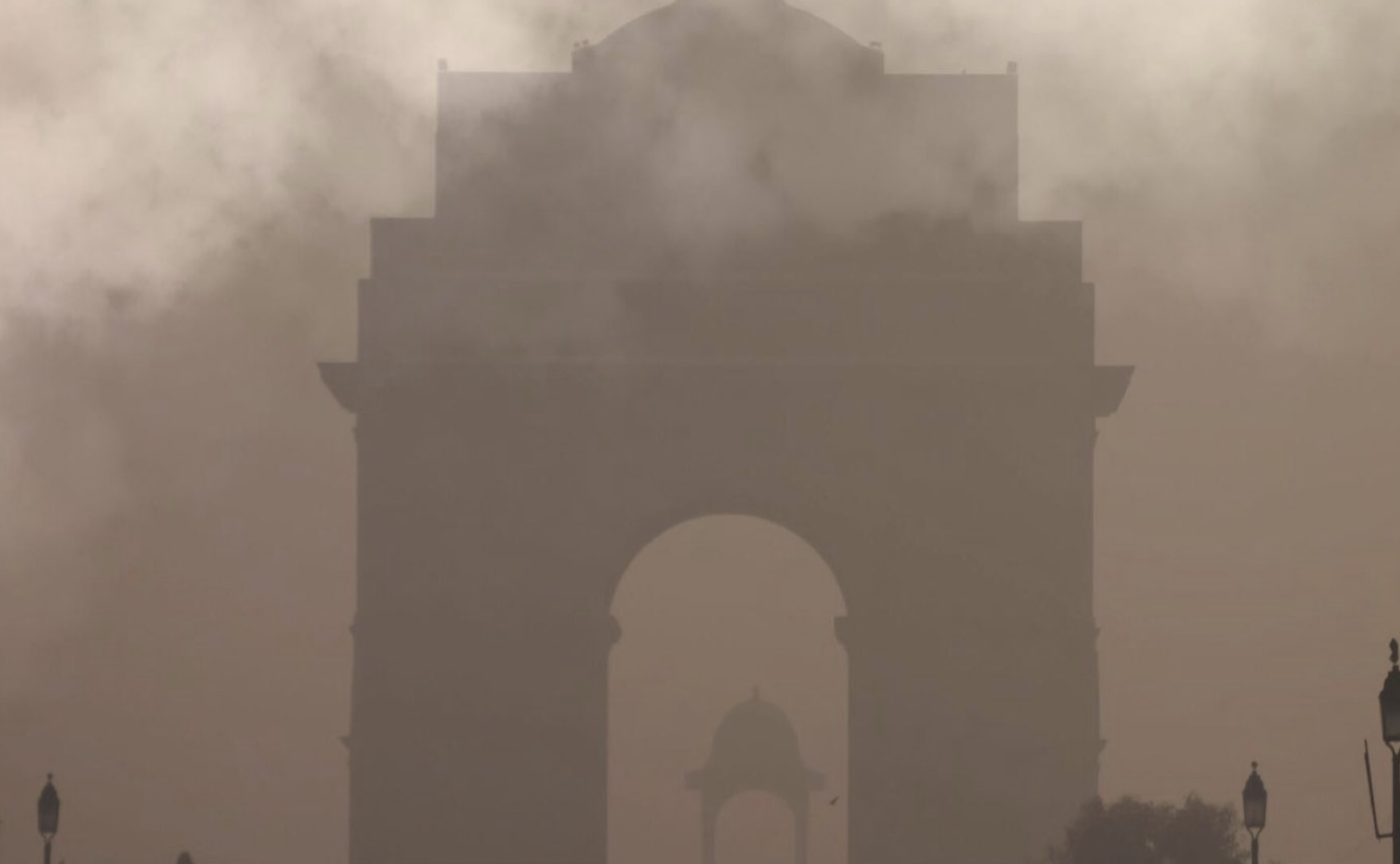
The capital’s much‑touted “Green Diwali” turned grey within hours as Delhi-NCR woke up to one of its most polluted mornings of the season. Despite restrictions and the promotion of eco-friendly firecrackers, the city’s air quality plunged to “severe” levels, with the Air Quality Index (AQI) averaging 451 by Tuesday morning, as reported by The India Today.
In some pockets, including Anand Vihar, Jahangirpuri, and Wazirpur, readings crossed 400, severely affecting even healthy individuals and creating hazardous conditions for sensitive groups.
What was meant to be a festival of light and sustainability quickly became a night of thick smoke and suffocating air. By late evening on October 20, dense smog blanketed Delhi-NCR, reducing visibility and triggering widespread complaints of breathlessness and eye irritation. Fireworks continued beyond permitted hours, undermining campaigns urging citizens to celebrate a cleaner, quieter Diwali.
The Delhi government’s “Green Diwali” initiative, supported by the Supreme Court’s directive allowing only certified “green crackers,” was intended to reduce particulate emissions by up to 30 per cent compared to conventional fireworks. However, poor enforcement, widespread violations of time restrictions, and the continued use of regular crackers meant the initiative could not prevent a steep spike in pollution. Experts warn that the combination of firecrackers, vehicle emissions, and stagnant weather created a toxic cocktail that engulfed the city.
Cool temperatures and light winds trapped pollutants near the ground, while additional smoke from crop residue burning in neighbouring states added to the haze. Hospitals reported a surge in patients complaining of cough, throat irritation, and breathing difficulties within hours of the pollution spike.
Authorities have invoked Stage II of the Graded Response Action Plan (GRAP), halting construction and demolition, restricting diesel generator use, and intensifying street-cleaning efforts. Residents are advised to stay indoors during peak pollution hours, avoid strenuous outdoor activity, and wear N95 masks when stepping outside.
Health experts caution that short-term measures are insufficient. “Every Diwali, we see the same cycle—awareness campaigns in the day, fireworks at night, and panic the next morning,” said a senior pulmonologist at AIIMS. “Green crackers can help only if compliance is strict and consistent.”
While the “Green Diwali” initiative offered hope on paper, the morning after highlighted the limits of these measures. Delhi once again finds itself grappling with a dangerous haze, a stark reminder that festive celebrations can quickly turn the city’s skies from bright to toxic.
For more stories click here
Follow us for latest updates: