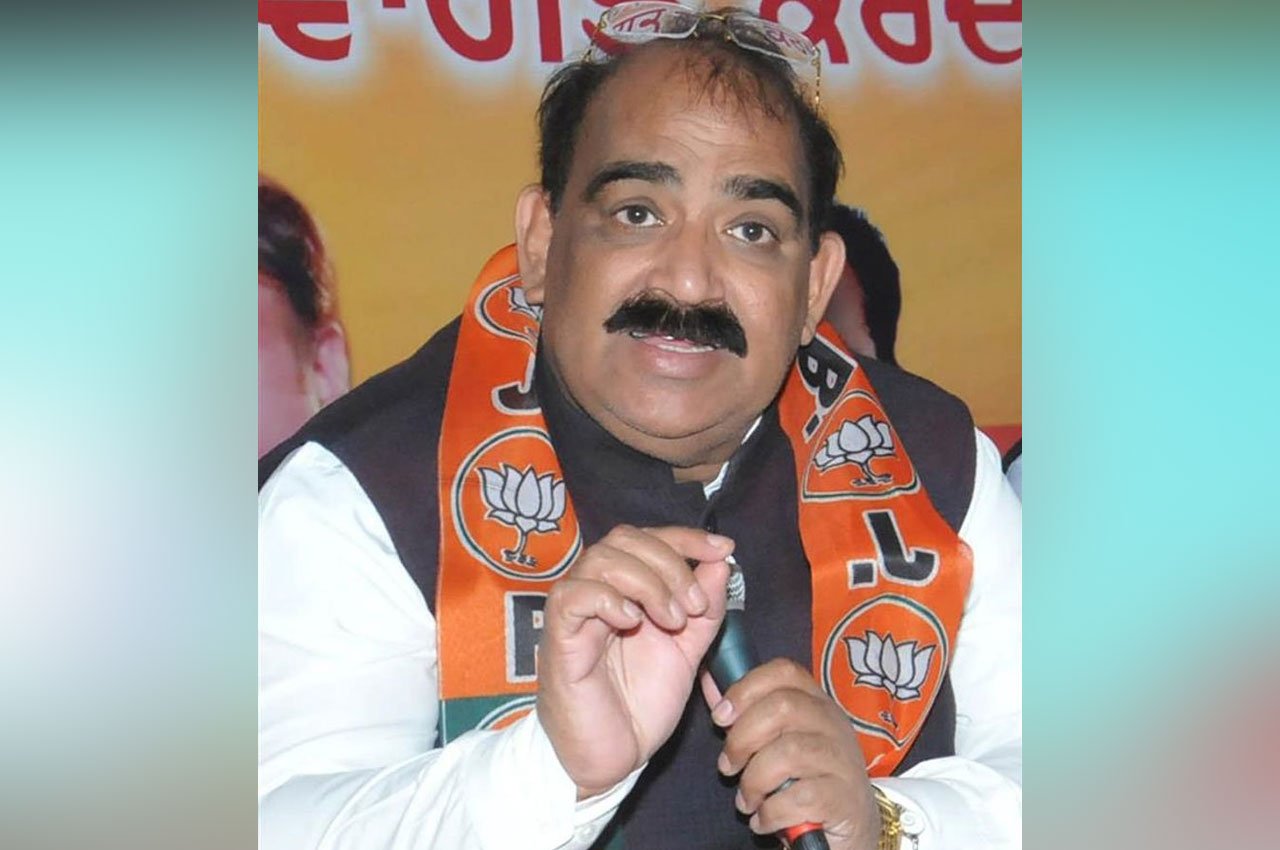
AAP Suspends Kunwar Vijay Pratap for 5 Years. Photo credit: HT
In a major political development, the Aam Aadmi Party has suspended Kunwar Vijay Pratap — the former top cop turned MLA from Amritsar North — for five years over anti-party activities. The action comes after his public criticism of the government’s handling of a recent Vigilance Bureau raid on the residence of senior Akali Dal leader Bikram Singh Majithia. With this, the AAP has drawn a firm line, warning that internal dissent, if made public, will come at a political cost.
From Police Officer to Party Rebel
Kunwar Vijay Pratap, known for his role in investigating high-profile cases including the 2015 Kotkapura and Behbal Kalan police firing incidents, had built a reputation as a no-nonsense officer. After joining politics and winning the Amritsar North seat under the AAP banner in 2022, he remained vocal — sometimes too vocal — for the party’s liking.
The recent flashpoint was a video and accompanying remarks he posted online, questioning the manner in which the Vigilance Bureau raided Majithia’s home. Kunwar argued that the timing, media attention, and aggressive optics of the raid violated the privacy and dignity of the family, sparking speculation over the government’s intentions.
Party Reacts Swiftly
According to Hindustan Times ( https://www.hindustantimes.com/cities/chandigarh-news/punjab-aap-suspends-mla-kunwar-vijay-for-5-years-over-anti-party-activities-101751225138901.html?utm_source=chatgpt.com ), AAP’s Political Affairs Committee, led by the top brass in Delhi, held an emergency meeting and cited a “pattern of behavior” as justification for the suspension. The party noted that this wasn’t the first time the MLA had gone public with disagreements. Previously, he had spoken against the party’s handling of the Bargari sacrilege case, as well as accused the Punjab police of being in cahoots with the liquor mafia in Majitha.
Party spokespersons reiterated that while internal dialogue is welcomed, publicly undermining the government’s anti-drugs campaign at such a sensitive time amounted to sabotage. With Punjab’s AAP-led administration pushing aggressively against organized crime, especially narcotics and liquor mafias, Kunwar’s statements were deemed damaging.
MLA Responds with Defiance
Responding to his suspension, Kunwar Vijay Pratap quoted Gurbani in a social media post, projecting calm and introspection rather than outrage. He stood by his remarks and said his statements were made as a citizen and legislator committed to ethical governance — not to undermine his own party.
He insisted that constructive criticism should not be misread as rebellion. “I did not act against the party. I raised concerns about procedural fairness and family dignity — values no party should suppress,” he told local media.
Ripple Effects in Punjab Politics
Opposition parties quickly jumped on the controversy. The Congress accused AAP of running the government like an authoritarian regime, muzzling dissent and punishing those who raise uncomfortable truths. BJP leaders, too, called the action “overreaction” and “politically insecure.”
Observers point out that AAP’s decision might resonate poorly with sections of its voter base that supported the party precisely because it promised transparent and people-first governance.
Amritsar North Seat Now Under Scrutiny
Kunwar’s suspension leaves a vacuum in Amritsar North — one of AAP’s key urban seats. Reports suggest that the party may be grooming local leader Karamjit Rintu, currently chairperson of the Amritsar Improvement Trust, as a possible replacement candidate for the 2027 elections. Party insiders indicate that Rintu has been gradually taking on more visibility in the area, possibly in anticipation of this development.
Internal Unity vs Democratic Debate
Kunwar Vijay Pratap’s case highlights a larger dilemma within AAP: How to maintain internal discipline while living up to its promise of transparency and democratic functioning? By cracking down on a sitting MLA with an impeccable public record, AAP may be signaling zero tolerance for dissent — but it also risks appearing intolerant of legitimate internal criticism.
The former IPS officer’s journey from celebrated investigator to suspended legislator is now a case study in the complex relationship between governance, party loyalty, and personal ethics.
For more spotlight stories click here
Follow us for latest updates: