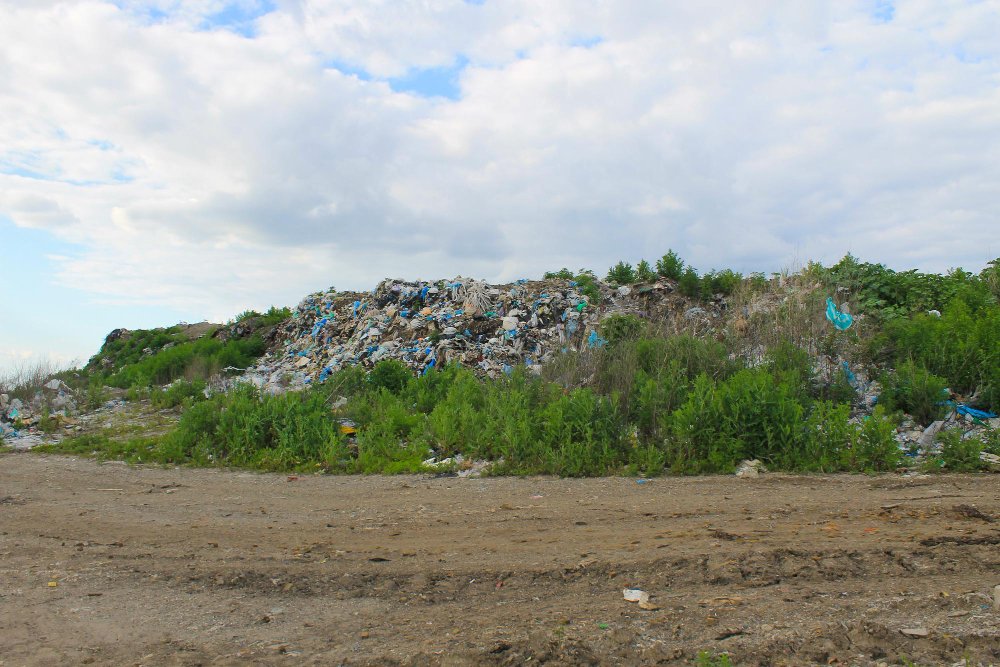
Mohali, once envisioned as a modern satellite city complementing Chandigarh’s planned brilliance, is now reeking—literally—of administrative apathy and civic neglect. The city that once prided itself on its clean, green image is today buried under mounds of uncollected garbage. Overflowing bins, illegal dumps, and rotting waste have become everyday sights, while residents grapple with foul air, health risks, and fading civic pride.
At the heart of this mounting crisis lies a dangerous cocktail of poor planning, inadequate waste management infrastructure, and the complete breakdown of accountability. The garbage collection system in Mohali, which was once semi-functional, has collapsed spectacularly in recent months. With the landfill at Daun village nearing capacity and the waste treatment plant unable to handle the city’s growing output, the result is chaos on the streets.
Municipal solid waste management in urban India has long been plagued by inefficiency, but Mohali’s case is particularly alarming. For a city with over 200 tonnes of garbage generated daily, there appears to be no coherent strategy for segregation, recycling, or scientific disposal. Door-to-door collection, once a point of civic pride, is irregular at best and completely absent in several sectors. Heaps of waste now spill onto roadsides and green belts, drawing stray animals and mosquitoes, and turning residential colonies into health hazards.
Equally concerning is the lack of coordination between the Municipal Corporation and private contractors. Contracts have lapsed, payments are delayed, and neither side seems willing to take responsibility. The absence of a waste processing mechanism means that even when garbage is collected, it often ends up being dumped in open areas or transported to overburdened landfills—merely shifting the problem from one corner of the city to another.
The environmental implications are staggering. Leachate from decomposing waste contaminates groundwater, while open burning of garbage releases toxic fumes into the air. With the winter smog season approaching, this open dumping and burning could worsen the already poor air quality across the Tricity region. The irony is painful—Mohali, part of India’s aspiring smart city ecosystem, is now a glaring reminder of what happens when civic governance turns a blind eye to basic sanitation.
But blame cannot rest with the authorities alone. Citizens, too, share responsibility. Waste segregation at source—a mandatory practice under the Swachh Bharat Mission—remains largely ignored. Plastic, food waste, and hazardous material are all dumped together, making scientific disposal nearly impossible. Without citizen participation, even the best waste management plan will fail.
What Mohali urgently needs is not just a clean-up drive but a structural overhaul of its waste management system. The Municipal Corporation must immediately revive waste collection contracts, enforce segregation norms, and invest in decentralised waste processing units. A sustained awareness campaign should accompany this—one that educates residents, RWAs, and commercial establishments about their role in keeping the city clean.
Urban waste is not just an eyesore—it’s a symptom of deeper administrative decay. Mohali’s garbage piles tell a story of misplaced priorities, bureaucratic inertia, and civic indifference. Unless swift action is taken, the city risks losing not just its aesthetic appeal but also the health and well-being of its people.
The crisis should serve as a wake-up call—for policymakers, residents, and planners alike. Mohali deserves better than to drown in its own waste. The question is—will anyone clean up the mess, or will this modern city continue to sink under the weight of its neglect?