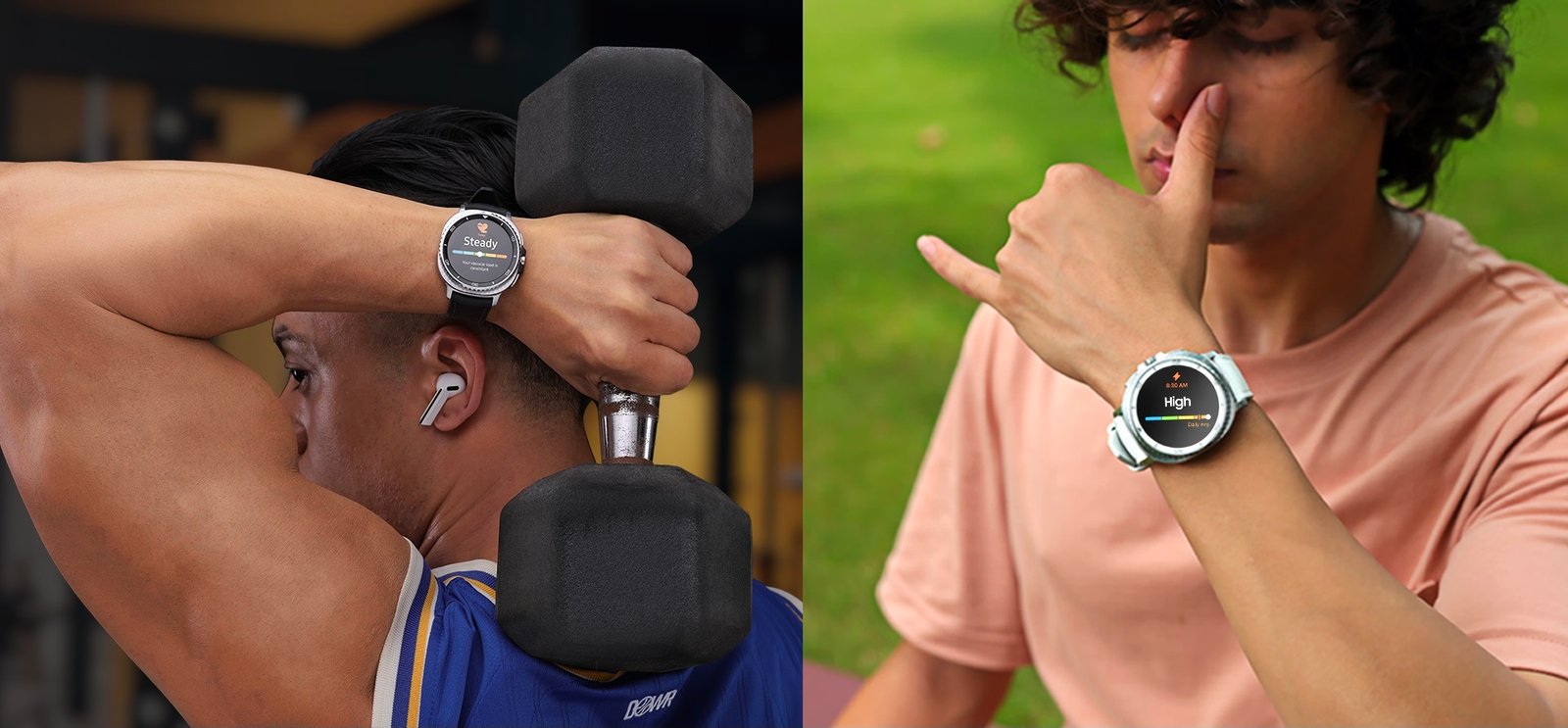
Samsung has taken wearable health technology to the next level with its latest innovation on the Galaxy Watch8 — an industry-first “Antioxidant Index” feature that measures the body’s carotenoid levels to assess nutritional health.
Until now, tracking antioxidants — key compounds found in fruits and vegetables that protect against oxidative stress — required laboratory equipment. With this breakthrough, Samsung brings lab-grade insights straight to the wrist, allowing users to understand how their diet impacts their body in real time.
The feature works through a mini-spectroscopy sensor built into the Galaxy Watch8. Instead of bulky lasers, it uses LED lights and photodiodes to measure carotenoid density under the skin through a fingertip scan. These readings are then combined with other health data, such as sleep, physical activity, and vascular condition, providing a holistic snapshot of a user’s wellness.
In essence, the Galaxy Watch8 doesn’t just count steps or calories — it now evaluates the quality of what users eat. Samsung’s innovation marks a major leap in preventive healthcare technology, transforming nutrition into a measurable metric accessible to everyone.
The Antioxidant Index offers an overall score, categorizing results from “Very Low” to “Optimal,” based on how individual carotenoid levels align with global health standards. Samsung designed the fingertip scanning method to minimize interference from melanin or blood vessels, ensuring a more accurate reading. The company emphasizes, however, that the feature is meant for wellness guidance and not for medical diagnosis.
Experts believe this innovation could redefine the way users interact with wearable devices. Traditional smartwatches have long tracked parameters such as heart rate, steps, sleep quality, and oxygen saturation. But until now, dietary quality has been an unmeasured — yet crucial — component of personal health. By bringing nutrition into the data ecosystem, Samsung is addressing a vital gap in modern wellness tracking.
The implications are significant. Antioxidants are known to reduce oxidative stress, which plays a role in chronic diseases such as heart ailments, diabetes, and cancer. By tracking carotenoid levels, users can gain real-time feedback on whether their fruit and vegetable intake is sufficient — offering motivation to improve dietary habits and lifestyle choices.
While the technology is promising, experts also caution about its limitations. Because it relies on fingertip placement and user consistency, accuracy may vary based on how readings are taken. Moreover, nutrition is only one part of overall health — environmental factors, genetics, and daily habits continue to play major roles.
Nonetheless, Samsung’s innovation signals a powerful shift in wearable technology — from passive tracking to proactive health management. With the Galaxy Watch8, users are not just monitoring activity; they are learning about the quality of their nutrition and the impact of their choices.
This leap positions Samsung ahead in the wearable market and sets a new standard for competitors, pushing the industry toward more meaningful and actionable health insights. The future of wellness tracking may no longer lie just in steps and calories, but in understanding how well we nourish our bodies from within.
Photo Credit: Samsung India