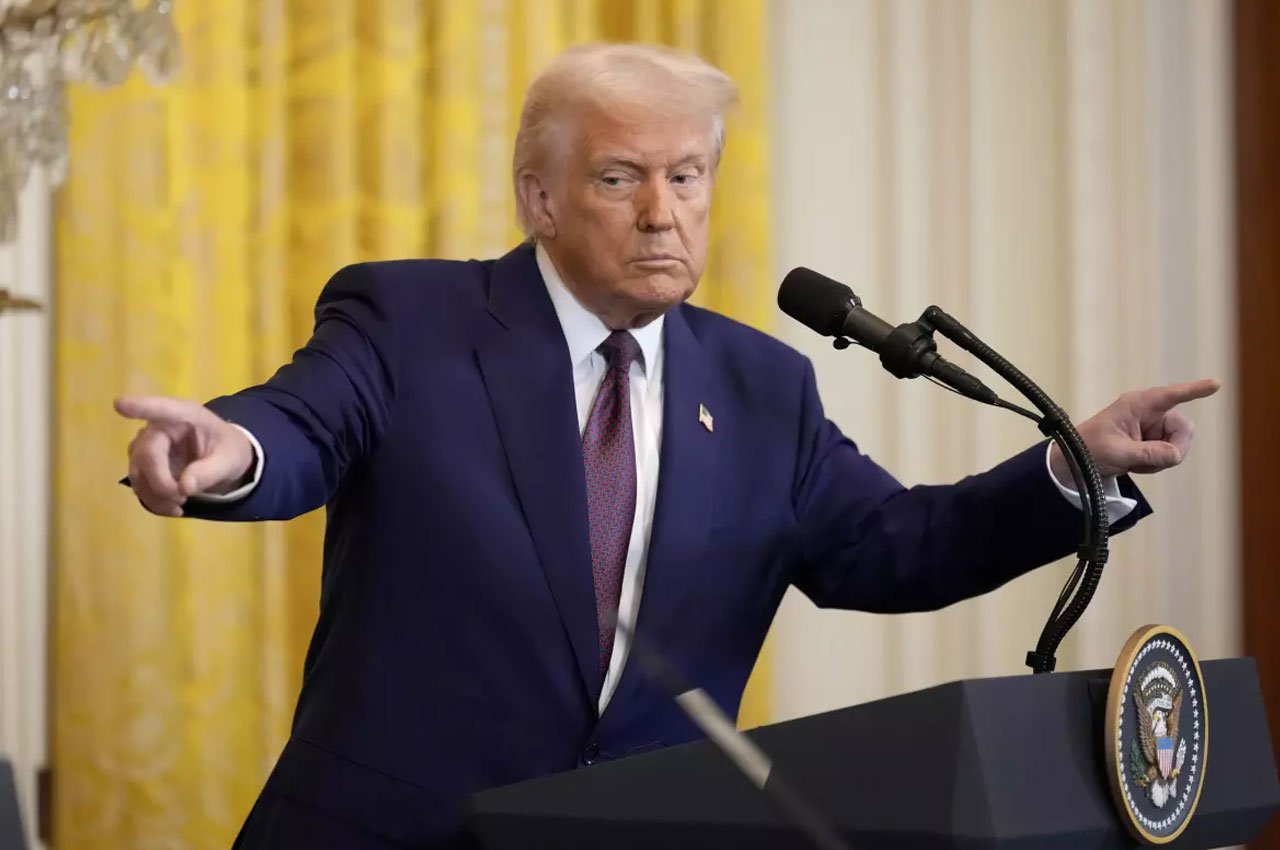
In a rare and unexpected move, former U.S. President Donald Trump has issued a public rebuke to Israeli Prime Minister Benjamin Netanyahu over recent military actions in Qatar. According to The Hindu, this development marks a significant departure from the typically strong and unwavering support that the U.S. has extended to Israel, especially during Trump’s tenure.
The Context of the Rebuke
The specific details of the military strikes in Qatar that prompted Trump’s criticism remain unclear. However, the timing of the rebuke is noteworthy. It comes at a time when the U.S. is striving to maintain a delicate balance in the Middle East, particularly concerning its relationships with both Israel and Arab nations. Qatar, a key player in the region, has been involved in various diplomatic initiatives, and any military action involving it could have far-reaching implications.
Implications for US-Israel Relations
Trump’s criticism, though rare, is not entirely unprecedented. Throughout his presidency, there were instances where his administration expressed concerns over certain Israeli policies, particularly regarding settlement expansions in the West Bank. However, these concerns were often addressed behind closed doors, and public rebukes were minimal.
The current situation raises questions about the future trajectory of U.S.-Israel relations. While the alliance between the two nations has historically been strong, shifts in leadership and policy priorities can lead to changes in diplomatic dynamics. Trump’s rebuke could signal a reassessment of U.S. support for Israeli actions, especially if they are perceived to undermine broader regional stability.
The Broader Regional Impact
The Middle East is a region characterized by complex alliances and rivalries. Actions taken by one nation often have ripple effects that influence the entire region. Trump’s rebuke to Netanyahu could embolden other nations to voice their concerns more openly, potentially leading to a reconfiguration of alliances and strategies in the Middle East.
Moreover, the U.S.’s response to this situation will be closely watched by other global powers. How the Biden administration chooses to address this issue could set the tone for its foreign policy approach in the Middle East and beyond.
Conclusion
While the specifics of the Qatar strikes and Trump’s rebuke remain to be fully understood, this development underscores the fluid and often unpredictable nature of international relations. The U.S.-Israel alliance, though historically robust, is not immune to challenges and disagreements. As the situation unfolds, it will be crucial to monitor how both nations navigate this diplomatic rift and what it means for the broader geopolitical landscape.