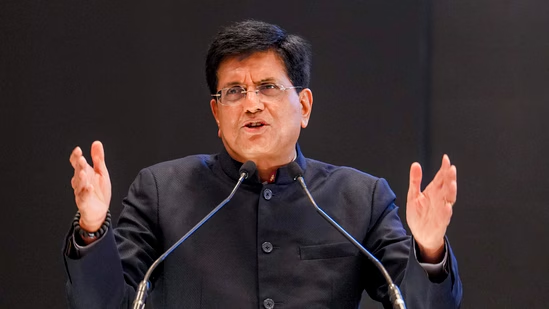
Prime Minister Narendra Modi reached out to Punjab Chief Minister Bhagwant Mann to discuss the escalating flood crisis in the state after returning from China. According to Mint, he conveyed the central government’s commitment to providing comprehensive assistance and support during this critical time.
The One-Month Deluge
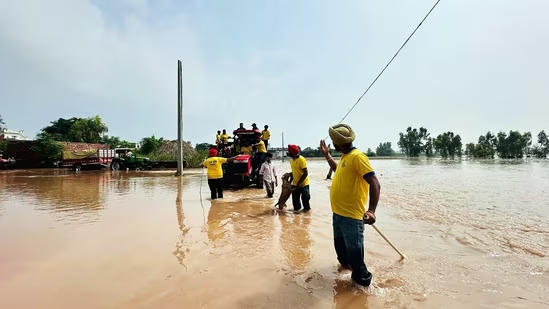
The floods began in early August and have since devastated 12 of Punjab’s 23 districts. More than 1,300 villages have been submerged, displacing hundreds of thousands of people and leaving entire communities isolated by floodwaters. Among the hardest-hit areas are Pathankot, Gurdaspur, Fazilka, Kapurthala, Tarn Taran, Ferozepur, Hoshiarpur, and Amritsar.
Scale of Human and Agricultural Loss
As of early September, the death toll has climbed to 30. Districts such as Mansa, Fazilka, and Ludhiana reported new fatalities amid rapidly rising waters. Meanwhile, approximately three lakh acres of farmland have been irreversibly damaged, threatening food supplies and livelihoods across the region.
State Appeals and Flood Management
Chief Minister Bhagwant Mann has requested the immediate release of ₹60,000 crore in pending state funds and advocated for revisions in disaster relief norms to allow rice farmers to receive ₹50,000 per acre, a jump from the existing ₹6,800 under the State Disaster Relief Fund framework. The state has also activated a special “girdawari,” a formal damage assessment survey, to ensure fairness in compensation. CM Mann, along with his cabinet colleagues and AAP MLAs, has pledged their one month’s salary to relief efforts, signaling solidarity with the people of Punjab.
Massive Relief Operations Underway
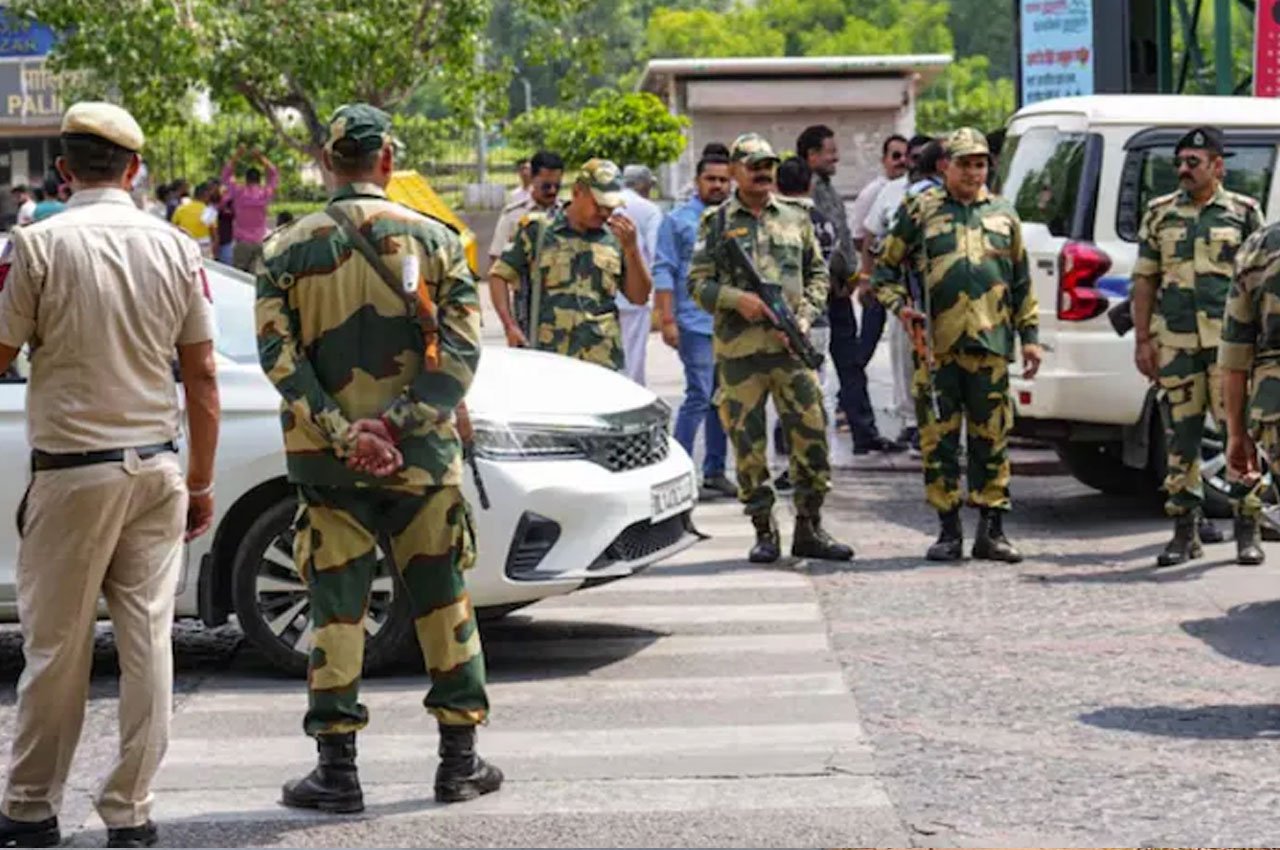
Rescue and relief efforts are in full force. Twenty NDRF teams have been deployed, supported by columns from the Army, Navy, and Air Force. More than 35 helicopters, over 110 boats, and multiple engineering units are operational. The Border Security Force is stationed in border districts to assist with evacuations. Drones are delivering medicine, water, and dry rations to stranded families in remote areas such as Ajnala. Thousands have already been rescued and relocated to relief camps.
Political Resonance and Cross-State Solidarity
The Prime Minister’s call has come as the state leadership continues to stress urgency. AAP leaders have expressed frustration over perceived delays in central support, while opposition parties have demanded a special relief package and better accountability in flood management. Rajasthan Chief Minister Bhajanlal Sharma has also extended relief assistance to Punjab, mobilizing resources from border districts to support operations.
Urgent Climate Alert
This flood event has been described as the worst in decades. It follows a record-breaking August, with rainfall surging nearly 75 percent above average—the highest in the last 25 years. The Indian Meteorological Department has issued red alerts across multiple districts and warned of continued heavy rains through the first week of September.
For Punjab, the immediate priority is managing the flood emergency, while preparing for the long road to rehabilitation. Relief teams are working round-the-clock, but the challenge of rebuilding lives, farmlands, and infrastructure will remain long after the waters recede.
Photo Credit: HT