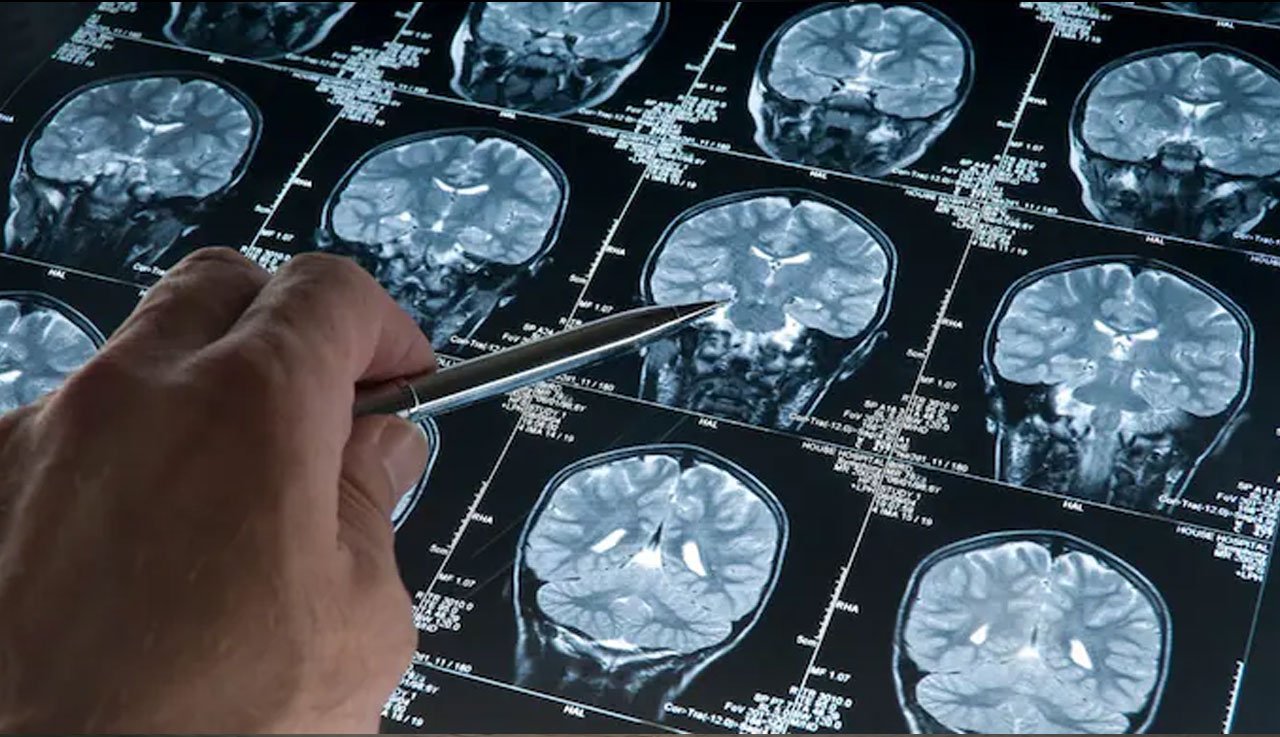
Multiple Sclerosis (MS), a chronic autoimmune disorder that affects the central nervous system, is increasingly recognized in India, but the real number of people affected remains underreported. Experts estimate between 150,000 to 200,000 individuals live with MS in the country, most of them women aged 20 to 40, reported The Hindu. But this count likely falls short of the reality. Multiple barriers -n from low awareness to high treatment costs, continue to delay diagnosis and impede care.
Invisible Illness, Invisible Suffering
MS often begins with subtle symptoms like fatigue, blurred vision, or numbness – easily dismissed as stress or nutritional deficiencies. These early signs frequently escape notice, especially in small towns where neurologists are few and MRI access is limited. As diagnostics lag, patients suffer unnecessary delays; studies indicate MS diagnoses can be delayed by over 17 months on average, with underdiagnosis affecting up to 36% of cases globally.
Limited Access to Specialists & Advanced Diagnostics
India has roughly 2,500 neurologists, about one per million people – and most are concentrated in major cities. Rural areas largely lack access to such experts. While MRI availability is improving, specialized protocols, cerebrospinal fluid tests, and biomarkers remain scarce outside teaching hospitals. Misdiagnosis is common, as MS is often confused with other neurological conditions, autoimmune disorders, or vitamin deficiencies.
High Costs, Low Uptake of Treatment
Disease-modifying therapies (DMTs), which help manage MS and slow progression, are available in India, but only around 10% of patients receive them. The costs, which can range from several lakhs to crores of rupees annually, are prohibitively high. Insurance coverage for MS is minimal: most plans either deny coverage outright, impose lengthy waiting periods, or require high premiums.
Invisible Disability, Inadequate Recognition
Though MS is recognized under India’s disability law since 2016, sufferers often struggle to obtain disability certificates, especially because their symptoms are often “invisible”—like cognitive fog, fatigue, or neuropathic pain. The current system requires visible physical impairment, offering little recourse for patients whose debilitating symptoms are internal. Advocates are pressing for a revision to assessment guidelines, recommending higher benchmark disability ratings for MS that account for relapse frequency and invisible impairments.
Building an Inclusive MS Care Ecosystem
A national consensus — from neurologists and policymakers to insurers and patient groups — is needed to bridge the gaps in MS care. Experts recommend:
- Launching awareness campaigns to help general physicians and communities recognize early symptoms.
- Establishing standardized diagnostic and treatment protocols nationwide, incorporating advanced imaging and biomarker analysis.
- Including MS in health insurance schemes and national health missions to improve affordability.
- Reforming disability certification to fairly recognize “invisible” and fluctuating symptoms.
- Expanding the training of neuroimmunologists and neurologists beyond large hospitals to underserved regions.
- Encouraging patient support through registries like the “India MS Map” to inform data-driven policies.
Road Ahead
Multiple Sclerosis may be silent—but its impact is far from small. As a condition that most often strikes young adults in their prime, its underdiagnosis and under-treatment carry serious social, economic, and human costs. Early detection, better insurance inclusion, equitable access to care, and greater social awareness are the keys to ensuring that MS patients in India are seen, supported, and not left invisible.