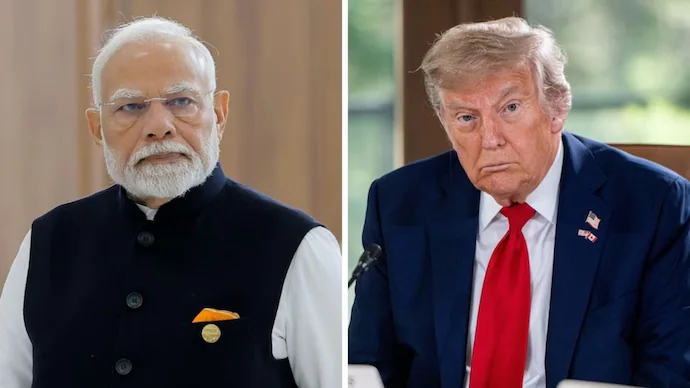
Donald Trump Prepares Tariff Letters. Photo Credit: The Hindu
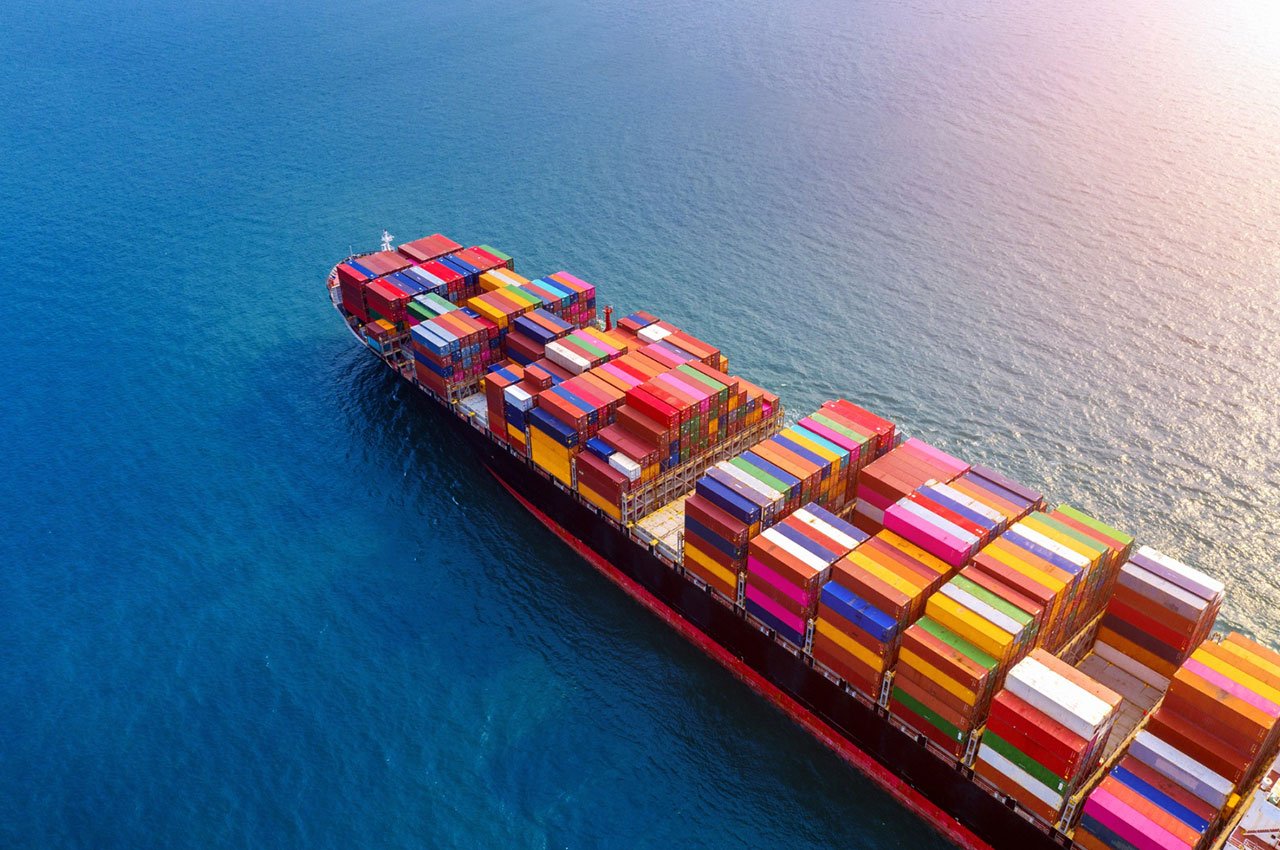
US President Donald Trump has revealed that tariff letters for 12 countries are ready to be sent as his administration takes a take‑it‑or‑leave‑it approach to trade. These letters, outlining new tariff rates on various imported goods, could include levies as high as 70 percent and are expected to be dispatched before the July 9 deadline, formally kicking off August 1, as reported by The Times of India.
The Strategy Behind the Letters
Trump’s strategy shifts the focus from negotiated bilateral agreements to unilateral imposition of tariffs. He announced that 10 to 12 letters would be sent out initially, with more to follow in the coming days. These letters inform selected countries of specific tariff levels they will face—without negotiation. Trump said, “It’s much easier” than drawn‑out contractual trade talks, sending a stark message as the 90‑day moratorium on “liberation day” tariffs expires.
Tariff Scope and Timing
The letters outline a range of tariffs, spanning from 10‑20% on some goods to as high as 70% on others. This rate tiering reflects Trump’s intention to tailor penalties based on trade imbalances and urgency of negotiations. If recipients do not heed the proposals, the tariffs will kick in on August 1, aligning with the end of the pause imposed in April.
Deals That Set the Precedent
So far, Trump has secured trade deals with only two partners. The UK gained a tariff-free quota for vehicles exported to the US, while Vietnam agreed to a 20% tariff on locally made goods and a 40% tariff on trans-shipped items. These limited victories contrast sharply with the administration’s initial promise of fast trade deals with “90 countries.” The letters mark the turning point from deal-making to unilateral action.
Why the Administration Shifted Gears
The pause on reciprocal tariffs, intended to allow time for trade agreements, expires on July 9. With negotiations stalling and crucial agreements with the EU, Japan, India, and other partners yet to materialize, Trump opted for this tougher tactic. The letters signal a harder line and aim to pressure unresolved partners into accepting predetermined terms or risk immediate economic consequences.
Market and Diplomatic Fallout
News of the upcoming letters rattled international markets. The S&P 500 futures dropped, the dollar weakened, and global indices such as Germany’s DAX and France’s CAC fell, showing investor unease. Key export sectors, including US automobiles, could be affected by reciprocal overseas tariffs. Economists warn the move might reignite trade tensions and drive up consumer prices domestically.
Political and Policy Implications
Trump’s use of “take‑it‑or‑leave‑it” tariff letters highlights a preference for swift policy over complex diplomacy. But this assertive stance may have diplomatic costs, potentially souring long-term relationships with allies. On the economic front, the structure—ranging up to 70%—underscores a prioritization of defending US industries over negotiating trade access.
The administration argues that the new tariffs are designed to correct global trade imbalances, support domestic manufacturing, and incentivize foreign compliance. Critics, however, fear that isolating major economies may result in unintended supply chain disruptions and inflationary pressures.
For more world stories click here
Follow us for latest updates: