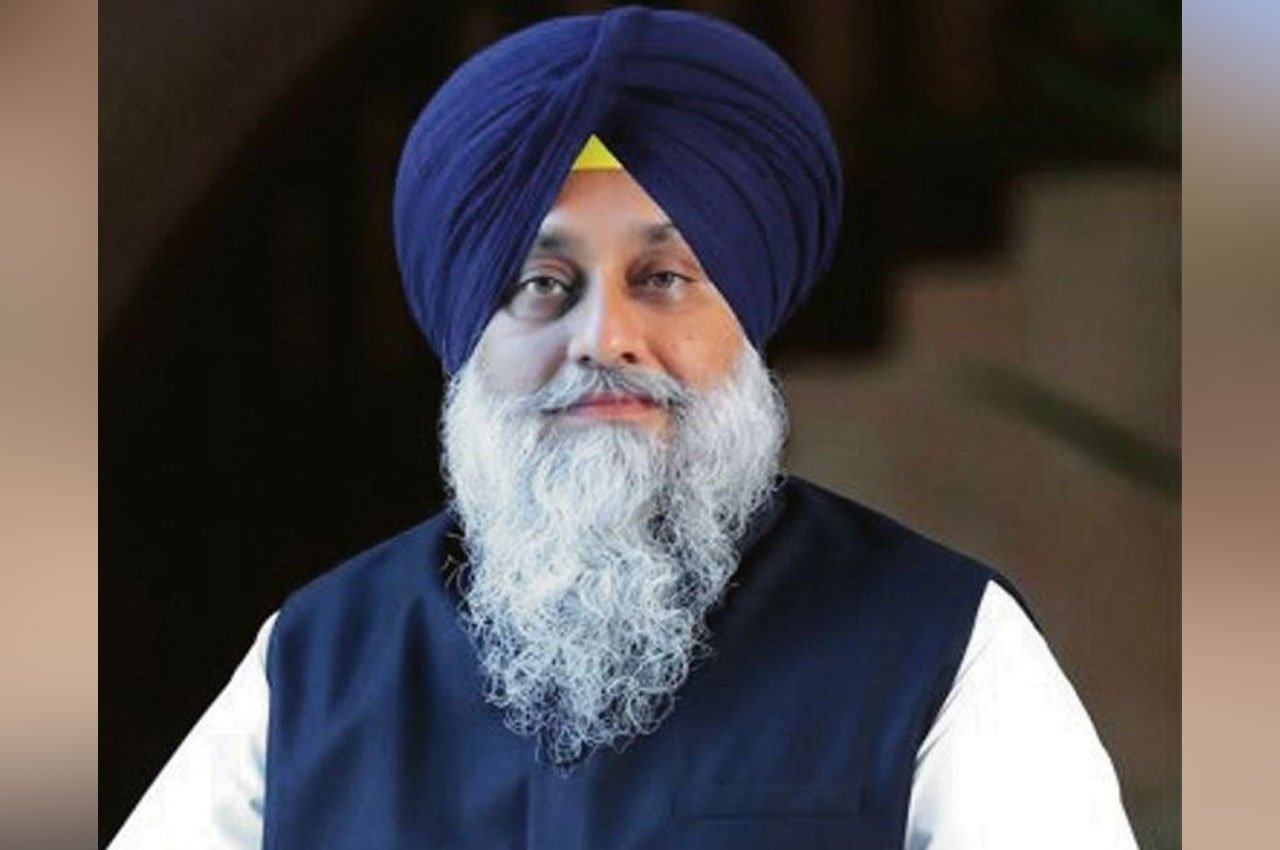
Sukhbir Badal. Photo Credit: The Tribune
Shiromani Akali Dal chief Sukhbir Singh Badal has been declared “tankhaiya” — guilty of religious misconduct — by the Takht Patna Sahib clergy for repeatedly ignoring summons and allegedly interfering in the Takht’s internal affairs. This dramatic declaration highlights a widening rift between two of Sikhism’s most important temporal institutions and raises serious questions about the unity of Sikh religious authority.
What began as a disciplinary summons has now turned into a full-blown institutional conflict, pitting Takht Patna Sahib against the Akal Takht and the SGPC. With the declaration of Badal as tankhaiya, the standoff has entered uncharted territory, reported The Tribune.
What Being Declared “Tankhaiya” Means
In Sikh religious tradition, being declared “tankhaiya” carries significant spiritual consequences. It means the individual is guilty of violating the Sikh code of conduct or showing disregard to the authority of the Takht. The individual is expected to appear before the Panj Pyaras, offer an explanation, and undertake penance, known as “tankha.” Until that happens, the person remains outside the religious mainstream and is barred from participating in Takht-related religious functions.
Historically, such declarations have been rare and made by the Akal Takht, the highest seat of temporal authority in Sikhism. This instance, however, involves Takht Patna Sahib asserting its independent authority, signaling a possible decentralization in the way religious discipline is administered.
Clash Between Patna Sahib and Akal Takht
This development stems from an earlier declaration made by the Panj Pyaras of Takht Patna Sahib, where they pronounced two high-ranking jathedars — Giani Kuldeep Singh Gargaj of the Akal Takht and Baba Tek Singh Dhanaula of Takht Damdama Sahib — as tankhaiya. The reason was their alleged role in reinstating an excommunicated religious leader without consultation.
The same body also issued a summons to Sukhbir Badal, accusing him of meddling in the affairs of Takht Patna Sahib. However, Badal did not respond. He initially cited health reasons and sought an extension, which was granted. But even after the extension, he failed to appear.
His camp later indicated that he would abide by the directives of the Akal Takht, not Patna Sahib — thereby questioning the latter’s jurisdiction. This defiance eventually led to today’s declaration of Badal as tankhaiya.
Political and Religious Fallout
This is not merely a religious rebuke; it carries political implications as well. Badal, already under pressure following the Akali Dal’s dwindling political fortunes, now finds himself facing a religious crisis that could erode his support among devout Sikh voters.
The move may embolden critics within the Shiromani Akali Dal, many of whom have already been questioning his leadership. It also brings to the fore the growing tensions between different Takhts over issues of authority and legitimacy.
In the past, the Akal Takht was considered the final word in religious matters. But the recent assertion by Takht Patna Sahib — not only declaring its own jathedars but also refusing to acknowledge the supremacy of Akal Takht in its jurisdiction — has upset that balance. It signals a shift that could have long-term repercussions for how Sikh religious affairs are managed.
What Lies Ahead
For now, Sukhbir Badal remains in religious limbo unless he appears before the Panj Pyaras at Patna Sahib and offers an explanation. If he continues to ignore the summons, the consequences could deepen, potentially leading to excommunication from religious functions.
Meanwhile, the SGPC, which manages gurdwaras and Sikh religious institutions in Punjab and beyond, is facing criticism for not intervening effectively. Its neutrality has raised eyebrows, especially given its historical alignment with the Akal Takht.
This episode is a reminder that the intersection of politics and religion in Punjab is as sensitive as it is complex. The symbolic weight of being declared tankhaiya — especially by a Takht other than Akal Takht — is enormous, and its ripple effects are already visible.
For more spotlight stories click here
Follow us for latest updates: