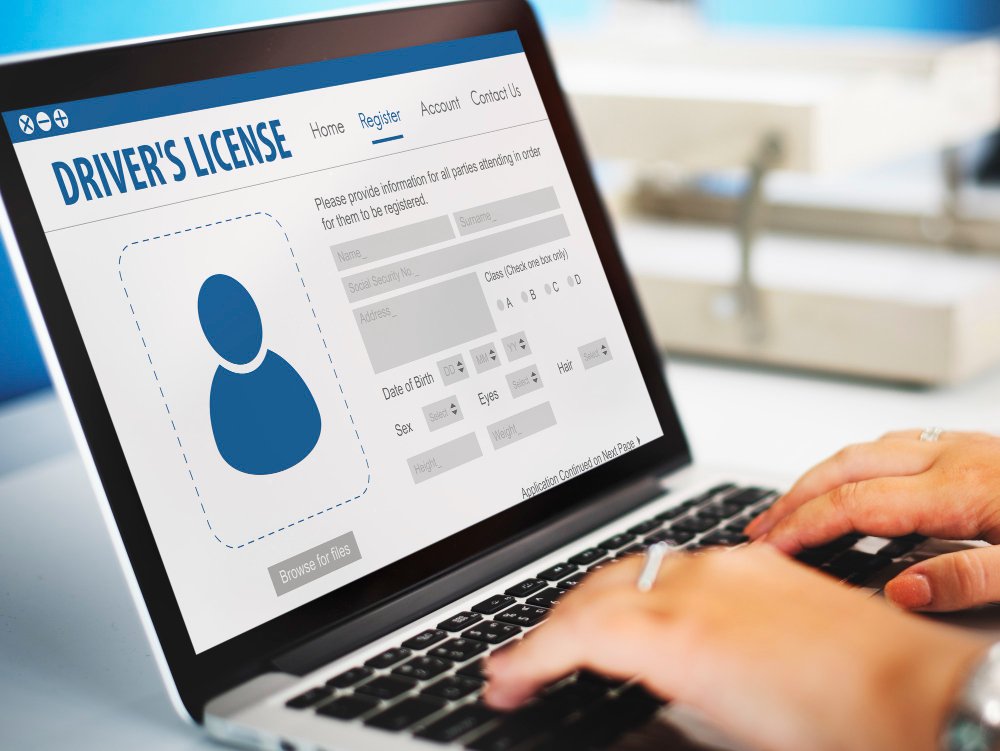
In a major governance reform aimed at curbing corruption and reducing red tape, the Punjab Government has launched a faceless transport service system that allows citizens to access all major services related to driving licences and vehicle registration certificates (RCs) without physically visiting Regional Transport Offices (RTOs).
Chief Minister Bhagwant Mann and Delhi Chief Minister Arvind Kejriwal jointly launched the initiative in Ludhiana, calling it a historic step toward making governance transparent and citizen-friendly. Symbolically, the Ludhiana RTO office was locked for the day to mark what Mann described as “the end of middlemen and inconvenience” for Punjab’s citizens.
56 Services Made Digital
Under the new model, 56 transport-related services — including learner’s and permanent driving licences, vehicle registration, transfer of ownership, and renewal of permits — can now be accessed online or through designated Seva Kendras across the state. Applicants can also dial the dedicated 1076 helpline to book services or seek assistance.
Chief Minister Mann said the reform is part of Punjab’s broader mission to digitise citizen services and eliminate corruption-prone processes. “People no longer need to stand in long queues or pay agents to get their work done. Every service is now just a phone call or click away,” he said.
RTO Staff to Be Redeployed
Addressing concerns about staff displacement, the Chief Minister clarified that no RTO employee will lose their job. Instead, staff will be reassigned to other government departments where their skills can be better utilised.
Officials said the state processes more than 29 lakh applications annually, including around 19 lakh related to vehicle registration and over 9 lakh for driving licences. The faceless model, they said, will make this process more efficient and transparent.
A Step Towards Transparent Governance
Arvind Kejriwal hailed the reform as a “digital revolution in public service delivery,” adding that it reflects the Aam Aadmi Party’s governance model based on ease, efficiency, and honesty. “This is how a people-first government works — by making services accessible, not by forcing people to navigate bureaucracy,” he said.
Challenges and the Road Ahead
While the initiative has been widely praised, experts caution that its success will depend on seamless execution — including proper training of Seva Kendra staff, robust IT systems, and reliable grievance redressal mechanisms. Ensuring accessibility in rural areas and maintaining transparency in online approvals will be key to sustaining public trust.
If implemented effectively, Punjab’s faceless transport system could serve as a model for other Indian states, demonstrating how digital governance can replace outdated, corruption-prone structures with efficient, citizen-centric solutions.