A magnitude 6.1 earthquake struck the Balıkesir province of northwestern Turkiye late on Sunday, August 10, resulting in one confirmed death and injuring nearly 30 others, reported Al Jazeera. Emergency crews responded swiftly amid widespread damage in the epicentral region.
Immediate Impact and Human Toll
The quake’s epicenter was located near the town of Sındırgı, at a relatively shallow depth of 10–11 km, which amplified the tremor’s impact across nearby settlements.
According to Turkey’s Interior Minister Ali Yerlikaya, an 81-year-old individual died after being rescued from the rubble, while 29 other people sustained minor injuries.
Structural Damage and Rescue Efforts
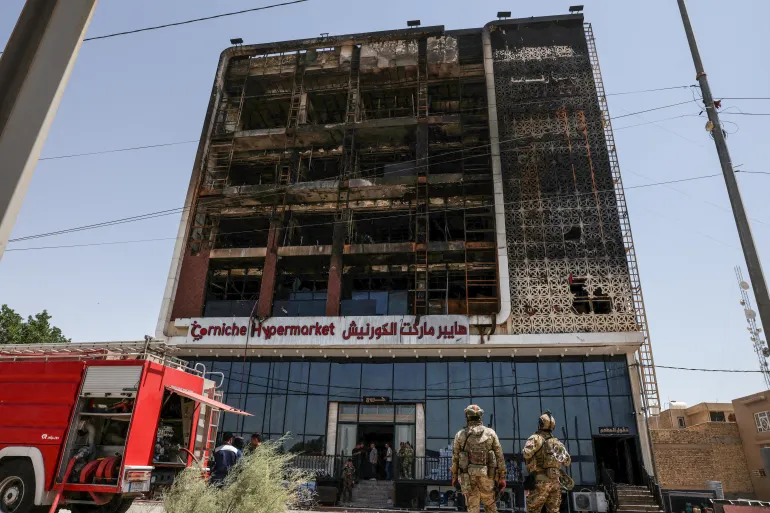
At least 16 buildings collapsed, including derelict structures and two mosque minarets. Rescue operations pulled several survivors from the debris. Authorities concluded search and rescue efforts soon after, confirming no further casualties.
Region-Wide Tremors and Swift Aftermath
Tremors were felt in major cities like Istanbul and Izmir, both remote from the epicenter but sensitive to seismic waves.
The Disaster and Emergency Management Authority (AFAD) reported multiple aftershocks, including one as strong as 4.6, urging the public to avoid entering damaged buildings. Meanwhile, Turkish President Erdoğan offered condolences and called for nationwide vigilance.
Seismic Context and Historical Significance
This event underscores Turkiye’s ongoing vulnerability to earthquakes. Situated along the North Anatolian Fault, the region experienced devastating quakes just two years prior, when twin tremors claimed over 53,000 lives.
Outlook and Recovery
While the current loss of life and injury count remains limited, the destruction to multiple buildings highlights the need for resilient infrastructure and preparedness. With aftershocks expected, authorities continue to monitor the situation and assess structural safety across Balıkesir province.