A startling new trend is emerging in the nation’s capital. Recent medical scan data reveals that nearly one in three young adults in Delhi may already be suffering from early-stage lung damage—even before showing any symptoms. This development has raised serious concerns about the respiratory health of India’s urban youth, especially in cities battling high pollution levels.
The findings come from over 4,000 chest CT scans taken during routine diagnostics. What they uncovered was alarming: around 29% of individuals aged 20 to 40 showed clear signs of structural damage in the lungs.
A Silent Health Crisis in the Making
What makes this revelation even more concerning is the fact that most of these individuals did not undergo CT scans for any respiratory issues. The lung abnormalities were discovered incidentally, meaning the damage was already progressing without the person realizing it. This kind of early lung damage in young adults in Delhi has traditionally been seen only in older people or those with known exposure to risk factors like smoking or long-term illness.
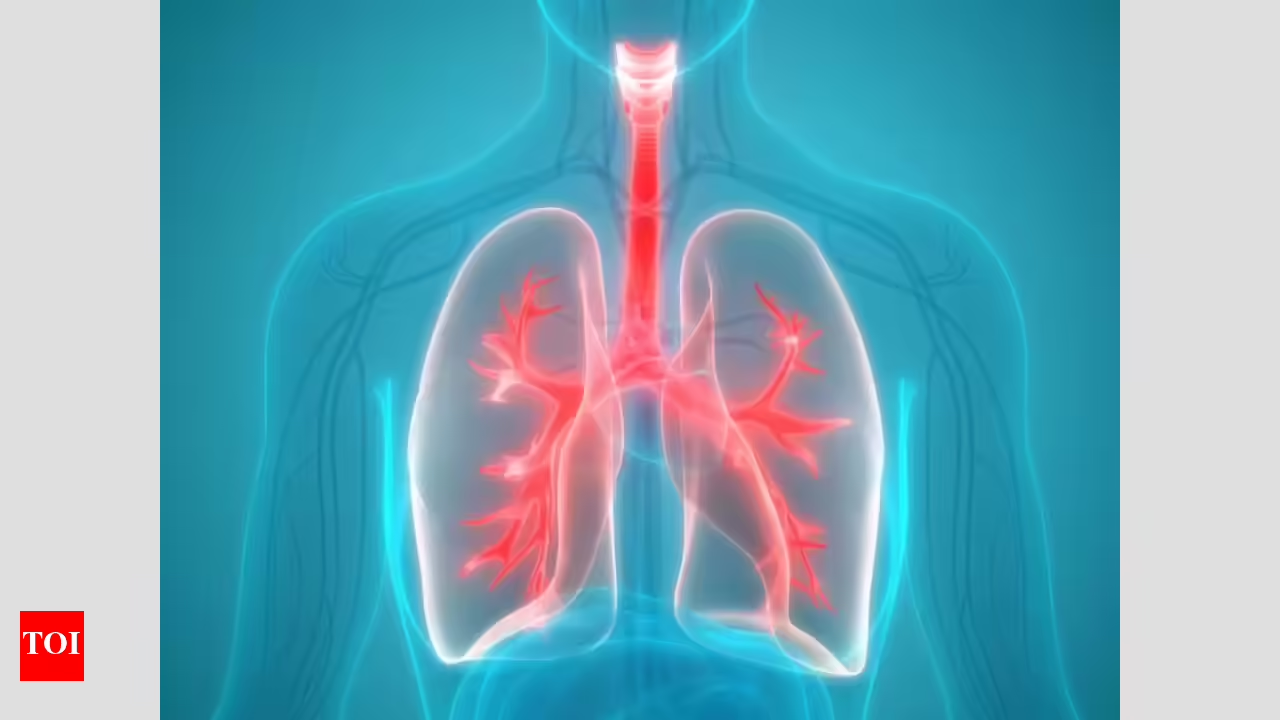
The CT scans revealed changes such as early-stage emphysema, bronchiectasis, bronchial wall thickening, and fibrosis—conditions that often lead to irreversible lung impairment over time. Medical experts warn that while the lungs may compensate in the short term, once symptoms appear, significant damage has already taken place.
What’s Causing Lung Damage in Delhi’s Young Adults?
Delhi has long been plagued by hazardous air pollution. The presence of high levels of fine particulate matter (PM2.5), vehicle emissions, and industrial pollutants has created an environment where even healthy individuals face daily respiratory stress. Young adults, often commuting long distances, playing outdoor sports, or spending time in congested areas, are increasingly becoming victims of this exposure.
However, environmental pollution isn’t the only culprit. Lifestyle factors like smoking, vaping, and poor indoor air quality are also contributing. In smaller living spaces, especially in urban settings, the use of incense, mosquito coils, and certain cleaning agents can further deteriorate air quality. The combined effect of outdoor and indoor pollution is creating a toxic environment for lungs—especially those still in developmental or peak capacity stages.
Young and Breathless: What the Future Could Hold
Medical professionals warn that structural changes in the lungs during one’s 20s or 30s can lay the foundation for chronic diseases like COPD (Chronic Obstructive Pulmonary Disease), asthma, or recurring infections later in life. In extreme cases, pulmonary fibrosis or emphysema could significantly impact quality of life and productivity.
Unlike cuts or wounds on the skin, lung damage doesn’t heal easily. Scarring or structural changes are usually permanent, and treatment options are often limited to symptom management and damage control. The idea that such damage is appearing in Delhi’s youth is not just a health concern—it’s a public health emergency.
Prevention: Still the Best Cure
While reversing lung damage is often not possible, preventing further harm is both achievable and necessary. Doctors recommend avoiding smoking or vaping altogether, using indoor air purifiers, and minimizing outdoor activity during high pollution hours. Regular health check-ups, including lung function tests, are also advised—especially for those living in high-risk areas.
Wearing certified N95 masks during daily commutes, choosing cleaner modes of transportation, and being aware of air quality updates are also simple but effective preventive strategies.
Health experts also suggest that workplaces and educational institutions begin offering basic respiratory health awareness sessions, particularly as younger populations remain unaware of the early signs of lung stress.
The Bigger Picture
The rise of early lung damage in young adults in Delhi is a grim reflection of urban living conditions. If nearly 30% of the capital’s youth already show early signs of respiratory decline, the implications for the next decade are profound. This data isn’t just medical—it’s social, economic, and generational.
Public policy needs to prioritize clean air initiatives, stricter vehicle emissions control, and better urban planning. At the same time, individuals must begin treating air pollution as a serious, invisible health hazard—not just a seasonal nuisance.