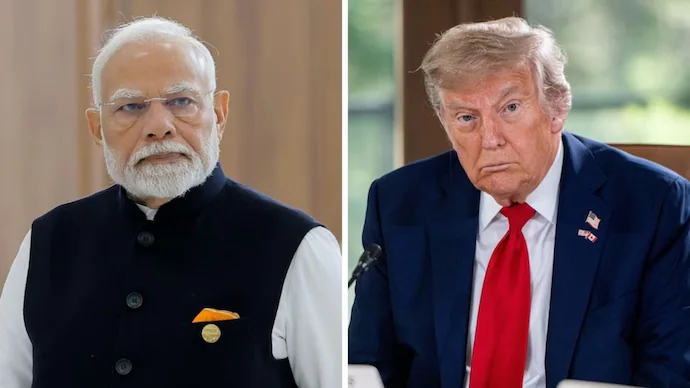
Oil prices dip sharply as Iran-Israel ceasefire takes effect, easing fears of supply disruption through key Gulf shipping routes. Photo Credit: Getty Images
Global oil prices witnessed a sharp decline on Tuesday as the announcement of a ceasefire between Iran and Israel eased geopolitical tensions in the Middle East. After weeks of heightened anxiety and volatile trading, markets responded with optimism, driving crude prices lower and restoring short-term stability across energy and equity sectors.
Ceasefire Offers Breathing Room
The ceasefire, reportedly brokered with mediation from international stakeholders including former U.S. President Donald Trump, came after days of missile exchanges and escalated rhetoric between Tehran and Tel Aviv. With both sides agreeing to halt hostilities—for now—the global energy market was quick to price in reduced risk of supply disruptions.
Brent crude futures dropped by nearly 5%, falling to around $68 per barrel, while U.S. benchmark West Texas Intermediate (WTI) crude slipped to just above $65. These are the lowest levels seen in nearly a month, and mark a significant pullback from the highs seen during the peak of the Iran-Israel conflict earlier in June.
Markets React with Cautious Optimism
Alongside falling oil prices, global stock markets also showed signs of recovery. Asian and European indices edged higher, and U.S. futures indicated a positive opening. Gold prices dipped slightly as investor appetite for safe-haven assets weakened, while energy stocks, particularly oil producers and refiners, experienced marginal declines due to reduced profit outlooks.
Investors and analysts alike welcomed the news but remained cautious. The ceasefire is seen more as a temporary pause rather than a long-term resolution. Any violation of the agreement could quickly reverse the gains and send oil prices climbing again.
Why the Middle East Still Holds the Keys
At the heart of the oil market’s nervousness is the Strait of Hormuz—one of the world’s most vital oil shipping routes. Nearly 20% of the world’s oil supply passes through this narrow waterway, which sits between Iran and its Gulf neighbors. In earlier statements, Iranian leaders had threatened to blockade the strait if military escalation continued. That threat had sent oil prices soaring in mid-June, and while the ceasefire has brought temporary calm, the geopolitical reality remains fragile.
Should tensions flare again or a naval skirmish occur in or near the strait, the global oil supply could be disrupted instantly, pushing prices above the $100 mark.
Oil Traders Shift Strategies
With the ceasefire now in effect, oil traders are recalibrating their positions. Many had taken long bets during the period of escalation and are now locking in profits amid the sudden drop in prices. Short-term contracts have seen high volume activity, as the market remains uncertain whether the ceasefire will hold.
Analysts suggest that volatility will persist over the coming weeks, with crude prices swinging sharply on any new developments from the Middle East.
Economic Impact for Oil-Importing Nations
For countries like India, which imports more than 80% of its crude oil, the decline in oil prices provides a welcome economic cushion. Lower fuel prices can help reduce inflationary pressure and give central banks more room to maneuver on interest rate policies. Consumers and transport sectors in oil-dependent economies also stand to benefit in the short term.
However, oil-exporting nations in the Gulf and elsewhere may take a financial hit if prices continue to remain subdued. The long-term sustainability of current output levels could also come under scrutiny.
Is the Relief Sustainable?
While the Iran-Israel ceasefire has calmed oil markets for now, the underlying issues remain unresolved. Both nations have deep-seated hostilities, and recent months have shown how quickly tensions can escalate. Energy analysts agree that while current prices reflect optimism, any breach of the ceasefire could see an immediate return of volatility.
Central banks and policy makers will also be closely monitoring crude trends, as energy costs directly influence inflation and consumer confidence. The upcoming OPEC+ meeting will further guide the trajectory of oil supply decisions in response to the evolving geopolitical environment.
Conclusion: Oil Prices Ease, But Uncertainty Lingers
The drop in oil prices following the Iran-Israel ceasefire is a clear signal of how closely energy markets are tied to Middle Eastern stability. As crude benchmarks retreat from recent highs, markets may enjoy a short-lived reprieve. But with the conflict’s root causes unresolved and strategic oil corridors still vulnerable, the global economy continues to walk a tightrope.
For now, the ceasefire has bought time—but not peace. And oil prices will continue to reflect that fragile balance.