Nepal is witnessing its fiercest unrest in decades after a sudden ban on major social media platforms triggered mass protests led by younger citizens. According to Hindustan Times, the demonstrations, popularly described as “Gen Z protests,” have resulted in at least 19 deaths, curfews across Kathmandu, and mounting political pressure on the government. India, closely monitoring the situation, has urged all sides to maintain calm and pursue dialogue.
Social Media Ban Ignites a Firestorm
The crisis began after Nepal’s government abruptly shut down access to Facebook, WhatsApp, X, and other popular platforms. Authorities claimed that fake accounts were fueling hate speech and spreading misinformation. But for Nepal’s youth, many of whom rely on these platforms to express dissent and stay connected, the move felt like a direct attack on their voice and freedoms.
Within hours, thousands of young protesters poured onto the streets of Kathmandu and other major cities. What started as peaceful demonstrations soon escalated into violent clashes outside the parliament building. Protesters attempted to storm government complexes, while police responded with tear gas, rubber bullets, and water cannons. Fires broke out, vehicles were torched, and the violence quickly spiraled beyond control.
Casualties and Political Fallout
By late evening, the death toll had climbed to 19, with hundreds injured in the clashes. Hospitals in Kathmandu reported being overwhelmed with casualties, many of them young students. The tragedy shook the nation, fueling anger against the government’s heavy-handed response.
Facing mounting criticism, Prime Minister KP Sharma Oli’s cabinet convened an emergency meeting. Soon after, the controversial social media ban was lifted. In a dramatic political development, Agriculture Minister Ram Nath Adhikari resigned, condemning the government’s role in the loss of innocent lives. His resignation further emboldened calls for accountability and reform.
India’s Measured Response
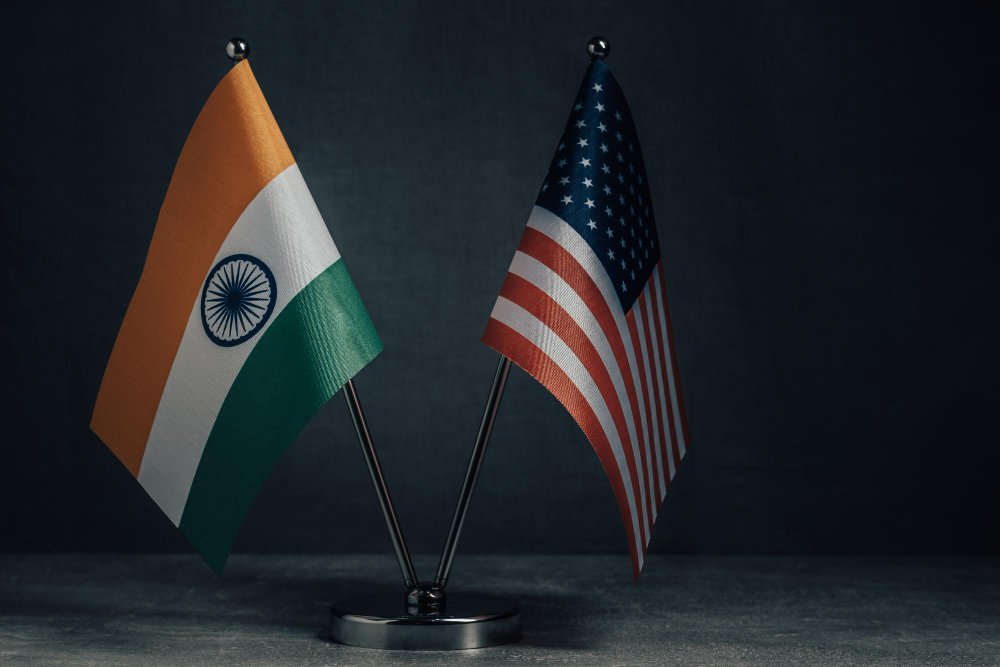
As unrest unfolded next door, India issued a carefully worded statement expressing sorrow over the loss of young lives and urging all sides to exercise restraint. The Ministry of External Affairs emphasized the importance of dialogue to resolve the crisis peacefully.
At the same time, New Delhi advised Indian nationals in Nepal to remain cautious and avoid areas of protest. The government also tightened border vigilance, deploying additional forces of the Sashastra Seema Bal (SSB) along the Indo-Nepal frontier. Residents in India’s bordering regions, particularly in Darjeeling and Siliguri, expressed concern for their families and friends across the border.
The Larger Message from Nepal’s Youth
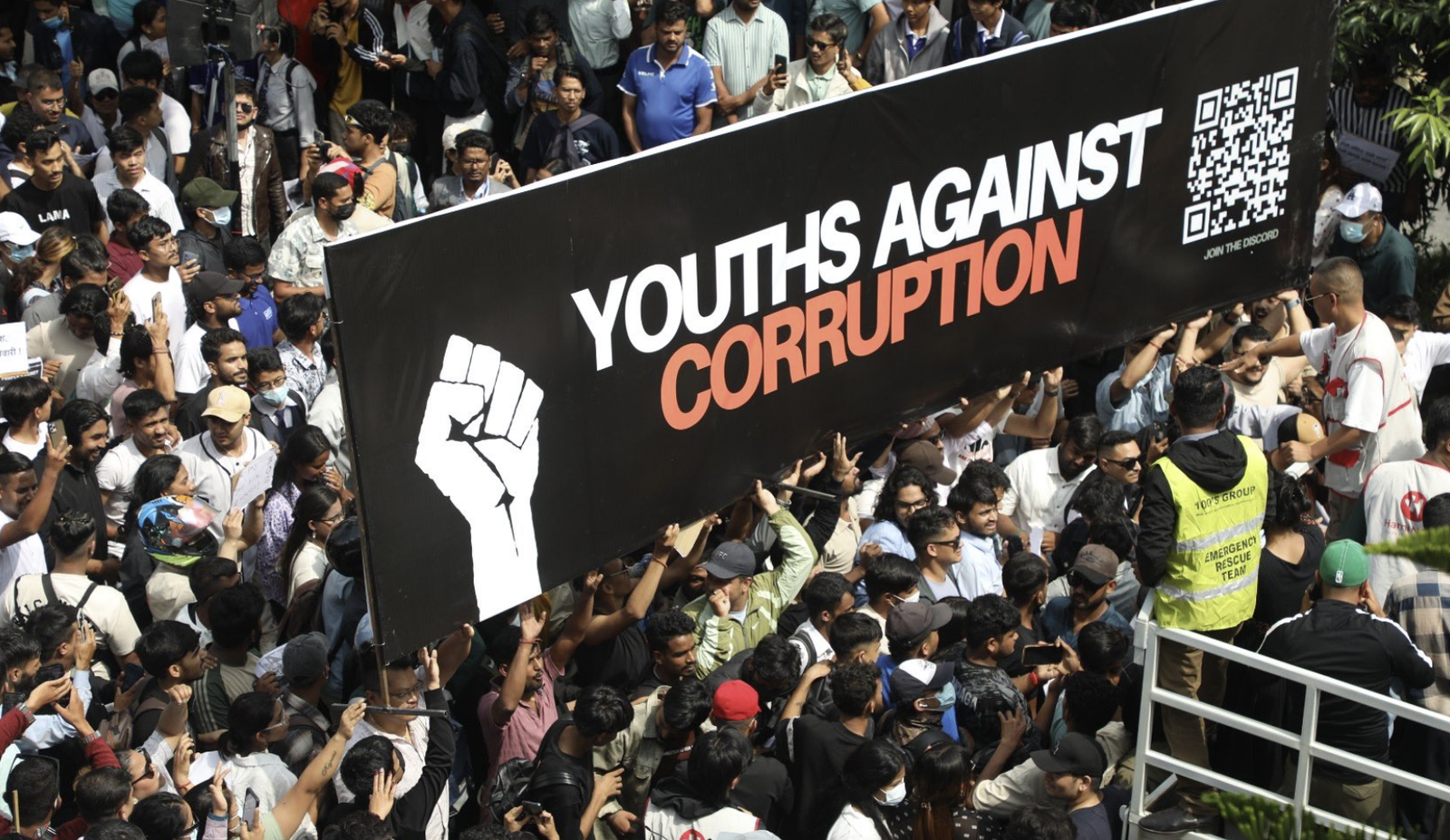
While the immediate trigger for the unrest was the social media ban, the protests reflect deeper frustrations among Nepal’s younger generation. For many, the ban symbolized not just censorship but a broader failure of governance. Placards carried by demonstrators read: “Shut down corruption, not social media” and “Youths against corruption.”
The protests have exposed a widening generational divide. Nepal’s Gen Z, tech-savvy and politically aware, is demanding transparency, accountability, and greater freedom. Analysts believe the government underestimated the symbolic power of social media in today’s political landscape, especially among youth who see digital rights as part of their democratic identity.
What Lies Ahead
The government’s decision to lift the ban may have eased tensions temporarily, but calls for Prime Minister Oli’s resignation are growing louder. Opposition parties and civil society groups are demanding an independent investigation into the crackdown and reforms to ensure such a tragedy does not repeat.
For India, the unrest poses both a diplomatic and security challenge. As a close neighbor and strategic partner, New Delhi is keenly aware that instability in Nepal has regional implications. The emphasis on restraint and dialogue signals India’s preference for stability while respecting Nepal’s internal processes.
Nepal’s Gen Z protests mark a turning point in the country’s democratic journey. What began as a reaction to a digital clampdown has evolved into a broader demand for political accountability and reform. As India calls for peace and the world watches closely, the challenge for Nepal’s leadership is to transform this moment of anger into an opportunity for dialogue and renewal.
Photo Source: X
Follow us for latest updates: