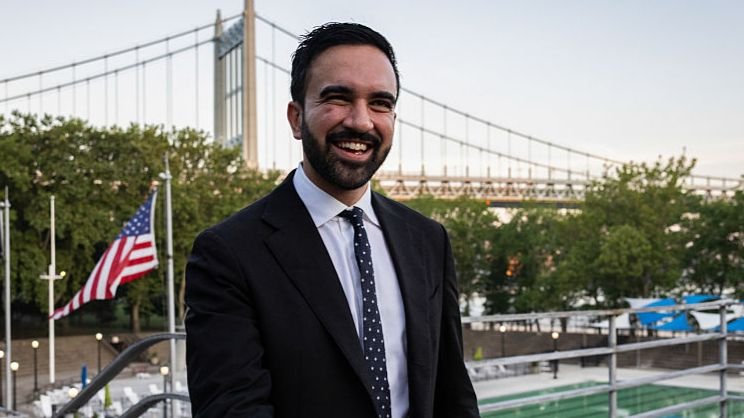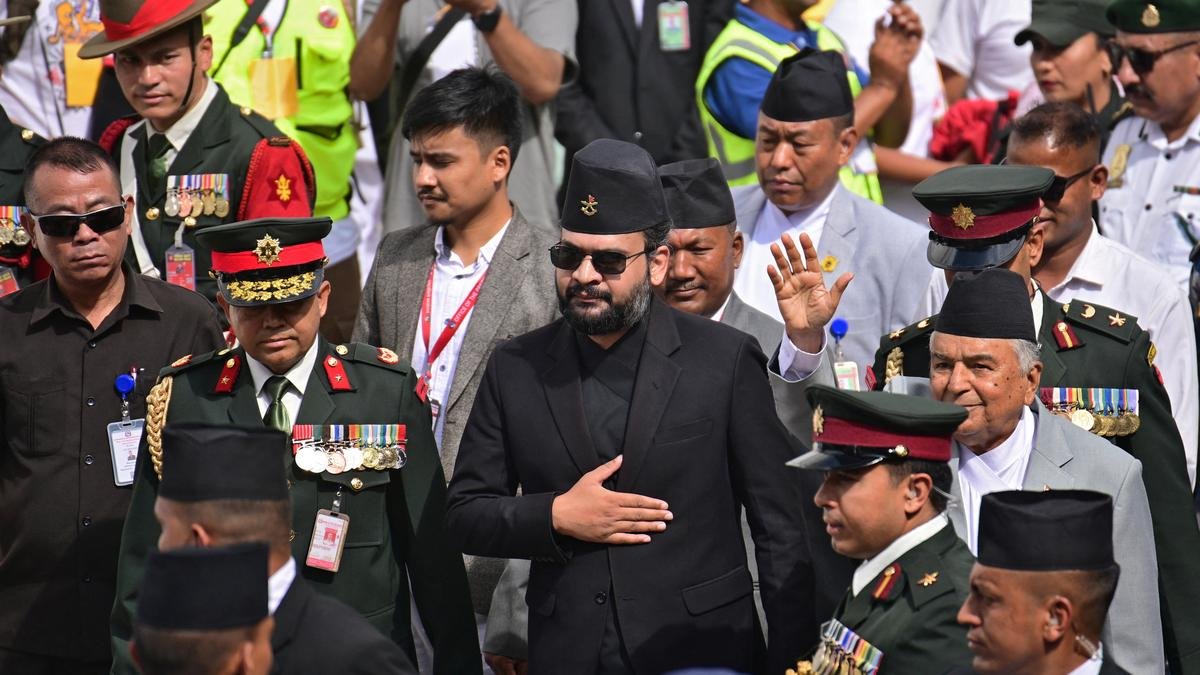
Balendra Shah, popularly known as Balen, has emerged as a prominent figure in Nepal’s political landscape, particularly among the Gen Z demographic. His journey from a civil engineering student in Bengaluru to the mayor of Kathmandu and a potential candidate for Nepal’s prime ministership underscores a significant shift in the country’s political dynamics.
Educational Background in Bengaluru
According to The Hindu between 2016 and 2018, Shah pursued a Master of Technology (MTech) in Structural Engineering at the Nitte Meenakshi Institute of Technology (NMIT) in Bengaluru, Karnataka. During his time at NMIT, Shah was recognized not only for his academic focus but also for his involvement in the local music scene, gaining popularity as a rapper on YouTube. His professors and peers remember him as a dedicated student who balanced his academic pursuits with his passion for music.
Political Rise and Gen Z Support
Shah’s entry into politics was marked by his election as the mayor of Kathmandu in 2022, where he campaigned on a platform of anti-corruption and urban reform. His tenure has been characterized by initiatives aimed at improving waste management, road traffic control, and promoting transparency in local governance. However, his administration has also faced criticism, particularly regarding the crackdown on street vendors, which sparked protests and debates about the balance between urban development and economic livelihoods.
The recent Gen Z-led protests in Nepal, triggered by issues such as corruption and the government’s controversial social media ban, have further propelled Shah into the national spotlight. While he has endorsed former Chief Justice Sushila Karki as a candidate for interim prime minister, Shah’s leadership and influence among the youth have positioned him as a potential future leader of the country.
Final Thought
Balendra Shah’s multifaceted journey from a student in Bengaluru to a key political figure in Nepal illustrates the evolving nature of leadership in the country. His blend of technical expertise, artistic expression, and commitment to reform resonates with Nepal’s younger generation, signaling a potential shift towards a more dynamic and inclusive political future.
Photo Credit: HT