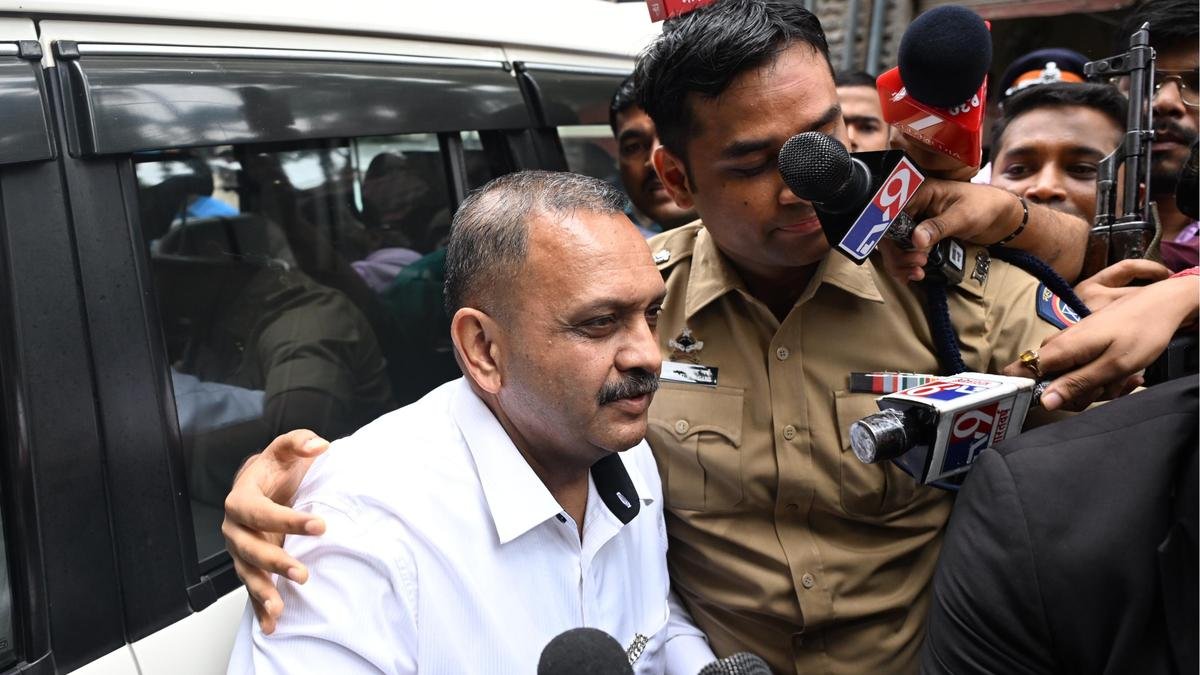
In a major development in one of India’s most politically sensitive terror cases, a special NIA court in Mumbai on July 31, 2025, acquitted all seven accused in the 2008 Malegaon blast case, including BJP MP Pragya Singh Thakur and Army officer Lt Col Prasad Shrikant Purohit. According to The Hindu, the court stated that the prosecution failed to establish guilt beyond reasonable doubt and highlighted serious flaws in the investigation and sanction process.
Court Cites Lack of Conclusive Evidence
The Malegaon blast took place on September 29, 2008, near a mosque during Ramzan, killing six people and injuring over 95. The prosecution had claimed that the bomb was planted on a motorcycle allegedly owned by Pragya Thakur, and that Lt Col Purohit had supplied the RDX used in the explosion.
However, Special Judge A K Lahoti ruled that there was no credible evidence linking the accused directly to the crime. The court pointed out the absence of technical proof confirming the ownership of the motorcycle or recovery of explosives. It also found that the sanction under the Unlawful Activities (Prevention) Act was defective, and several procedural lapses undermined the prosecution’s case.
Who Were the Accused
The seven individuals acquitted by the court are Pragya Singh Thakur, Lt Col Prasad Purohit, retired Major Ramesh Upadhyay, Ajay Rahirkar, Sudhakar Dhar Dwivedi, Sudhakar Chaturvedi, and Sameer Kulkarni. All were linked to the right-wing group Abhinav Bharat and had faced trial under UAPA and other serious charges including conspiracy and murder.
After spending years in jail and enduring a prolonged legal battle, all seven have now been cleared of all charges, effectively ending the 17-year case.
Reactions Pour In From Across the Political Spectrum
Soon after the verdict, Pragya Thakur expressed emotional relief, calling it a victory for “saffron pride” and stating that she had suffered immense mental and physical trauma. She accused political forces of using her arrest to malign Hindu culture and saints.
Lt Col Purohit, who was arrested in 2008 and spent more than eight years behind bars, said his faith in the judiciary had been upheld. He described the verdict as a second chance to serve the nation with dignity.
The Bharatiya Janata Party called the verdict a vindication of its long-standing stand against the “Hindu terror” label. Party spokespersons demanded a public apology from Congress leaders who had earlier invoked the term during political debates.
Opposition Raises Concerns Over Investigative Standards
On the other hand, AIMIM chief Asaduddin Owaisi criticized the judgment, alleging that the case reflects systemic bias in the handling of terror charges. He questioned whether the same leniency would have been shown if the accused had belonged to a different religious community.
Congress leader Digvijaya Singh reiterated that terrorism should not be associated with any religion. He maintained that justice must not only be done but must be seen to be done, especially in cases involving mass casualties.
The families of the victims expressed their disappointment and indicated that they would explore legal options to challenge the verdict in the Bombay High Court.
A Pattern of Acquittals in High-Profile Terror Cases
The Malegaon verdict follows a broader trend in recent years where courts have overturned convictions in high-profile terror cases due to shoddy investigations and insufficient evidence. Just weeks ago, the Bombay High Court acquitted all 12 accused in the 2006 Mumbai train blasts case. Earlier this year, British Sikh activist Jagtar Singh Johal was also acquitted after spending over seven years in pre-trial custody.
These cases have renewed criticism of UAPA, India’s stringent anti-terror law, for being misused, poorly enforced, and ineffective in securing convictions. Legal experts argue that the state must now focus on ensuring stronger, unbiased investigations that can withstand judicial scrutiny.
Implications for Law and Politics
The Malegaon blast case had become a political lightning rod, symbolizing the charged debates around communalism, national security, and religious identity. With all accused now acquitted, the case raises pressing questions about prosecutorial integrity and the accountability of investigating agencies.
The verdict may also influence the political narrative in upcoming elections, with ruling and opposition parties likely to use it to bolster their respective positions on national security, minority rights, and judicial fairness.
Photo Source: The Hindu