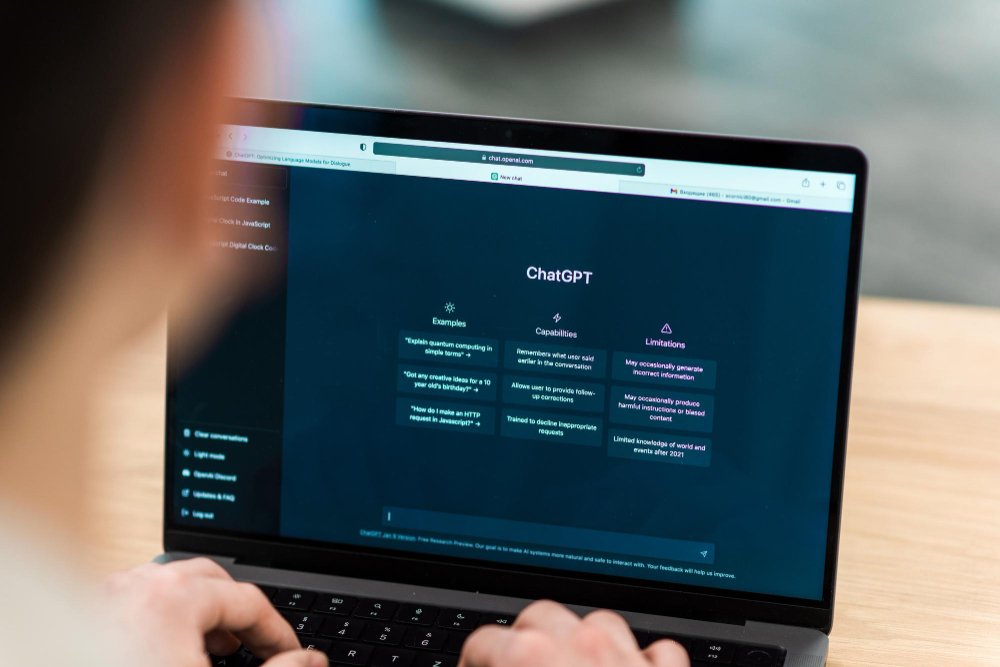
Revolutionizing Teaching with ChatGPT and Beyond Photo Credit: AP News
The rapid adoption of AI chatbots like ChatGPT is transforming the education landscape—helping teachers streamline tasks, personalize learning, and reclaim valuable time. Recent data and real-world insights highlight this shift, while also raising questions around balance, ethics, and student development.
Teachers Reclaim Hours, Enhance Lessons
A growing number of teachers in the U.S. are integrating AI tools into their daily workflow. Approximately 60% of public school educators reported using AI this academic year. Heavy users have saved as much as six hours per week on tasks such as lesson planning, grading, worksheet creation, and quiz generation—time they can now redirect toward more engaging classroom activities or personal well-being.
Teachers like Ana Sepúlveda and Mary McCarthy describe becoming more efficient in the classroom. They use AI to draft lesson plans, generate customized learning materials, and suggest interactive activities. While AI handles the groundwork, teachers still review, revise, and adapt the content—emphasizing that the technology amplifies their role rather than replaces it.
Striking the Right Balance
The increasing reliance on AI also comes with caution. Education experts have voiced concerns that heavy dependence on tools like ChatGPT may diminish students’ critical thinking and writing abilities. Studies show that excessive use of AI-generated content can lead to reduced cognitive engagement and less original thought in student work.
As a result, many schools are beginning to emphasize AI literacy. Assignments are being restructured to include ethical AI usage while maintaining academic rigor. While younger educators are often more open to adopting AI, there is still a lack of formal training across the teaching workforce on how to use these tools responsibly.
From Homework Helper to Professional Ally
Teachers are not just using AI—they’re helping to shape how it’s deployed in education. Some K-12 educators are already designing their own classroom chatbots. These tools are tailored to specific topics, activities, or student groups and are used to support learning beyond the traditional curriculum.
Despite the promise, challenges remain. Many educators struggle with setting up the bots and interpreting their interactions with students. However, these experiments point toward a future where teacher-designed AI becomes a key element of classroom innovation.
AI is also emerging in teacher training. For example, some training programs now use AI chatbots to simulate Socratic dialogue or solve physics problems, providing aspiring teachers with virtual practice before they step into real classrooms.
The Bigger Picture: Systemic Integration
Beyond individual classrooms, institutions are developing structured approaches to AI integration. Partnerships between universities and tech companies are forming to deliver targeted professional development and curriculum design.
Organizations are also establishing guidelines for ethical and effective AI use in schools. These frameworks address concerns like student privacy, algorithmic bias, and the avoidance of false or misleading outputs (commonly referred to as “hallucinations”). The aim is to empower educators to use AI effectively while protecting the integrity of the learning process.
Digital Native Students Embrace AI
Students have quickly embraced AI tools—not necessarily to cheat, but to improve their academic output. Many use ChatGPT and similar tools to organize their ideas, polish grammar, and structure essays.
Educators note that this rapid adoption is partly a response to existing pressures: inconsistent assessment standards, large class sizes, and the lingering academic impacts of the COVID-19 pandemic. While some critics worry about over-reliance, many teachers see AI as a tool that, when used properly, can help students find their voice and build confidence.
Final Take: AI as a Teaching Partner
AI-powered chatbots are advancing the teaching profession in meaningful ways, especially when:
- Teachers maintain oversight of AI output.
- AI is used as a planning and drafting assistant—not a replacement.
- Schools invest in training and ethical guidance.
- Students are taught how to engage with AI critically and responsibly.
When integrated thoughtfully, generative AI can lighten the administrative burden on teachers, foster more personalized instruction, and even enhance professional development—without undermining the essential human touch that defines education.
What Comes Next?
- Formal AI training for educators is on the rise, with online courses and in-school workshops.
- Curriculums are evolving to include AI literacy, helping students navigate a tech-driven future.
- Continued research will be critical to understand how AI impacts learning outcomes, attention, and creativity.
As AI chatbots mature, their potential in education continues to grow. With balanced integration and thoughtful policy, AI can become a powerful partner in the classroom—supporting both teachers and students on their learning journey.
Follow us for latest updates: