Afghanistan has been plunged into grief after a massive earthquake shook the country, leaving behind widespread destruction and a staggering human toll. According to Hindustan Times, the powerful tremors, among the deadliest in recent years, have claimed the lives of more than 800 people, with the numbers expected to rise as rescue operations continue. Thousands more have been injured, and countless families have been left homeless as their mud-brick houses crumbled within seconds of the quake.
The disaster struck several provinces with devastating intensity, bringing entire villages to the ground. In many rural areas, houses made of clay and stone offered little resistance against the violent shaking. Eyewitnesses describe the horrifying moments when walls collapsed, trapping people under debris and causing chaos as families scrambled to pull their loved ones out of the rubble. The terrifying scenes have left survivors traumatized and desperate for help.
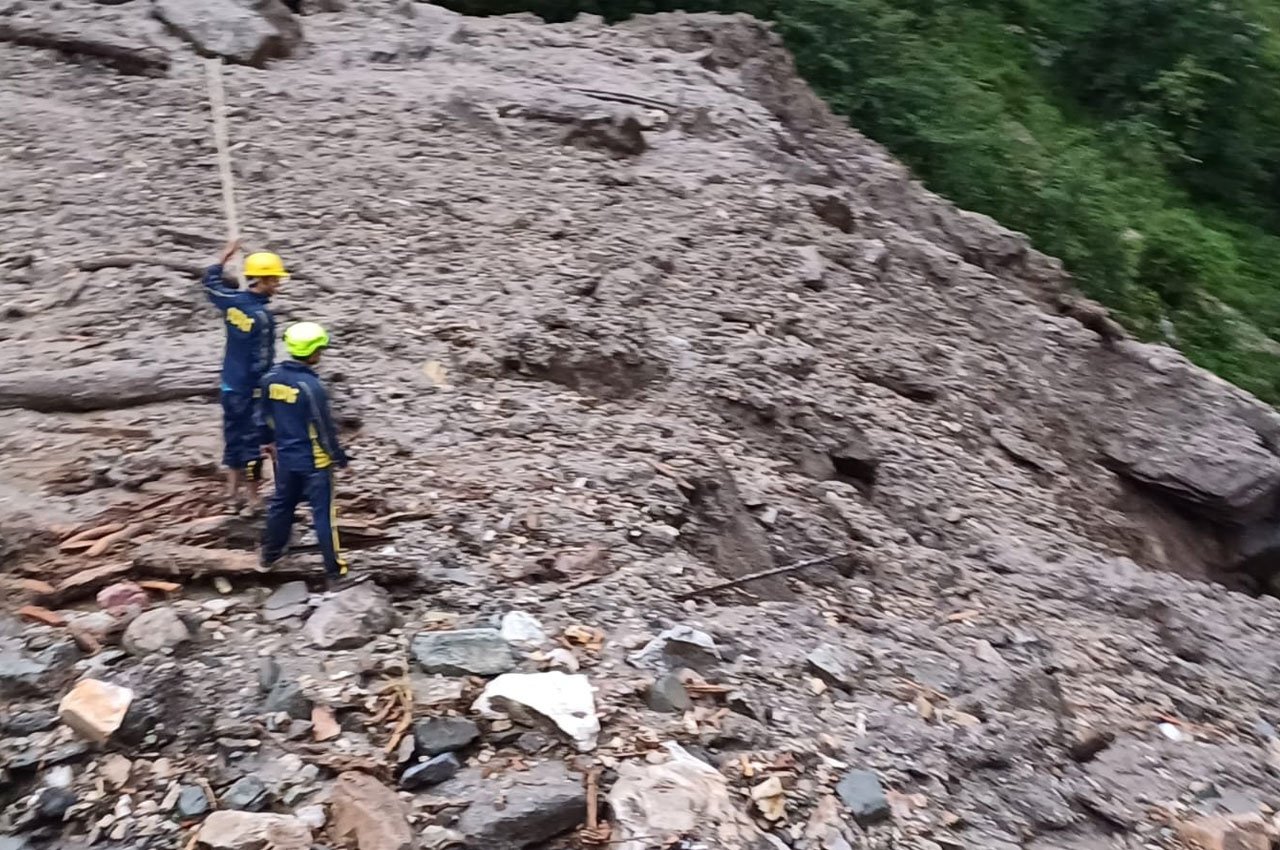
Rescue operations are underway, but the scale of the destruction has made the process extremely challenging. Roads leading to the worst-hit districts have been damaged or blocked by landslides, making it nearly impossible for emergency teams to reach those in need. With communication lines disrupted, several villages remain cut off from the outside world. Rescue workers and volunteers are struggling with limited resources, and in many areas, locals are digging through the debris with bare hands in search of survivors.
Hospitals across the quake-affected regions are overwhelmed as injured men, women, and children pour in. Medical facilities, already strained due to shortages, are unable to cope with the influx. Doctors are treating patients in open courtyards and temporary shelters, often without sufficient supplies of medicines and equipment. The need for immediate medical assistance, food, drinking water, and tents has become critical, as thousands of displaced people are forced to spend nights under the open sky amid fears of further aftershocks.
The humanitarian crisis has drawn international attention. The United Nations, along with several aid agencies, has expressed deep concern over the unfolding tragedy and called for swift assistance. Neighboring countries have also extended condolences and offered support, pledging to provide emergency relief materials and technical assistance. However, delivering aid remains a daunting challenge due to Afghanistan’s rugged terrain and fragile infrastructure.
For Afghanistan, the earthquake has compounded an already difficult situation. The country has been facing severe economic hardships, limited healthcare facilities, and social instability. Natural disasters, such as earthquakes, often magnify these challenges, leaving ordinary citizens to bear the brunt. Experts have long warned that Afghanistan remains highly vulnerable to earthquakes due to its geological setting, combined with weak housing structures and inadequate disaster preparedness.
In the aftermath of the quake, stories of loss and survival are emerging. Families have been torn apart, with many parents mourning the loss of children, and children left orphaned. Survivors speak of sleepless nights, constant fear, and the haunting images of neighbors buried beneath collapsed homes. Entire communities are grieving together, unsure of how to begin rebuilding their shattered lives.
Authorities have warned that aftershocks are likely to continue and could cause further damage. Rescue teams remain on high alert, and people have been urged to stay cautious. For now, the focus remains on saving as many lives as possible and providing relief to those affected. But the road ahead will be long and difficult.
The earthquake has once again highlighted the urgent need for better preparedness and stronger infrastructure in Afghanistan. Without these, every tremor has the potential to become a catastrophe. For the survivors, the pain is not only in what they have lost but also in the uncertainty of what lies ahead. As the death toll rises and international assistance trickles in, Afghanistan faces one of its toughest humanitarian tests in recent memory.
This disaster serves as a reminder of the fragile nature of life in earthquake-prone regions and the importance of global solidarity in times of crisis. For Afghanistan, the task of recovery will take months, if not years. Yet, amidst the grief and devastation, the resilience of its people remains the only light in a time of profound darkness.