Apple has reportedly reduced production of its iPhone Air by more than 80 percent, a significant move reflecting the device’s lukewarm reception in key markets, including China. The iPhone Air, launched just a week ago as a slimmer alternative to the iPhone Plus, was initially expected to capture a substantial segment of the smartphone market. However, disappointing sales have prompted Apple to instruct suppliers to cut production to “end-of-production” levels, reported The India Express.
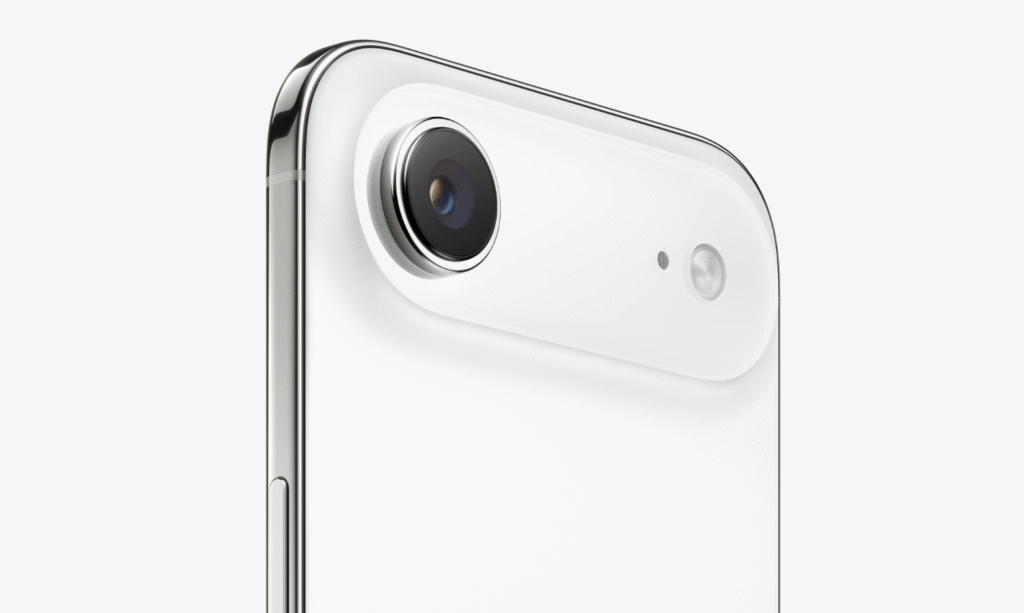
Industry analysts note that most suppliers are expected to reduce their capacity by more than 80 percent by the first quarter of 2026. This drastic adjustment marks a sharp deviation from Apple’s initial strategy, which had earmarked the iPhone Air for 10 to 15 percent of overall iPhone production. The company’s original plan aimed to maintain a balanced production portfolio while preparing for the launch of its first foldable iPhone, scheduled for 2026.
The swift scale-back underlines the fast-paced dynamics of the global smartphone market. Consumer preferences have shifted rapidly, and Apple has responded by reallocating production resources to models that are performing strongly. The iPhone 17 series, including the iPhone 17 and iPhone 17 Pro, has seen robust demand, prompting Apple to increase orders for these devices. This pivot highlights the company’s strategic agility and focus on core products that resonate with buyers.
Several factors contribute to the iPhone Air’s underperformance. Its pricing and positioning as a mid-tier, slimline alternative may not have appealed to traditional iPhone customers seeking more advanced features or a larger form factor. Additionally, the market for mid-range premium smartphones has become highly competitive, with rival brands offering feature-rich alternatives at comparable or lower prices. Consumers appear to prefer established models over the newer iPhone Air, which may have limited the device’s market traction.
Despite the production cuts, the iPhone Air’s technology and design are not necessarily failures in isolation. The reduction is primarily a strategic response to market demand, reflecting Apple’s ability to pivot and prioritize products with higher revenue potential. The company’s supply chain flexibility allows it to reallocate resources efficiently, ensuring that successful models continue to meet consumer demand while less popular ones are scaled back.
Looking ahead, Apple’s plans for the foldable iPhone may benefit from the lessons learned with the iPhone Air. The production cut serves as a real-world case study in assessing consumer behavior, price sensitivity, and market readiness for new device categories. It also underscores the importance of timing, marketing, and differentiation in an increasingly crowded smartphone market.
For consumers, this development signals that while Apple continues to innovate, not all new models will immediately achieve commercial success. The iPhone Air’s reception highlights the nuanced demands of today’s smartphone users, who weigh design, functionality, brand reputation, and price in their purchase decisions. For Apple, adapting quickly to these signals remains a core component of its business strategy.
As the first quarter of 2026 approaches, industry watchers will closely monitor how Apple balances production between legacy models, the iPhone 17 series, and upcoming foldable devices. The company’s ability to respond to shifting market trends, streamline production, and prioritize high-demand products will be critical in maintaining its leadership in the global smartphone sector.
For more stories click here
Follow us for latest updates: