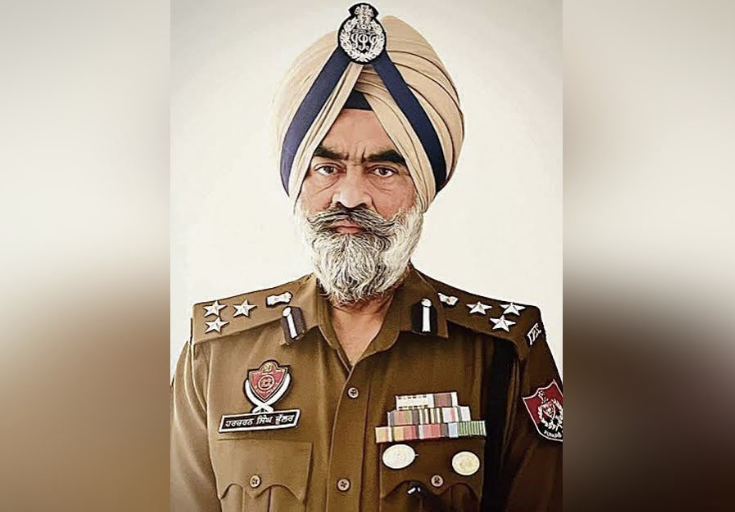
The recent arrest of a Deputy Inspector General (DIG) of Police in Punjab for allegedly accepting a bribe has once again brought the issue of systemic corruption to the forefront. While the incident itself is shocking, it is emblematic of a deeper malaise that affects governance, law enforcement, and public trust across the state.
Corruption in Punjab has long been more than isolated misdeeds; it reflects structural weaknesses in oversight, accountability, and institutional integrity. When senior officials, entrusted with upholding the law, are implicated in bribery or misconduct, it signals a failure not only of individual ethics but also of the mechanisms designed to prevent such behavior. A recent remark by retired Brigadier Gurmeet Singh referred to this arrest as evidence of a breakdown in the chain of accountability, highlighting how even top-level supervision can falter.
The arrest underscores the urgent need for systemic reforms. Reactive measures, such as punishing errant officers after exposure, are insufficient. Punjab requires proactive, preventative frameworks: stricter internal audits, transparent postings and promotions, and a culture of accountability embedded across bureaucratic and law enforcement structures. Political leadership also bears responsibility; genuine commitment from the top can help ensure that corruption is addressed at its roots rather than merely its symptoms.
Beyond policy and procedure, corruption erodes public confidence. Citizens grow disillusioned when justice is inconsistent and malpractices are perceived as widespread. This threatens not just governance but also the socio-economic progress of the state. Addressing corruption, therefore, is not just about penalizing individuals—it is about restoring integrity and trust in institutions that serve the people.
The DIG arrest should serve as a wake-up call for Punjab. While punitive action is necessary, the ultimate goal must be to strengthen institutions, foster transparency, and create accountability mechanisms that prevent corruption from taking root in the first place. Only then can Punjab hope to break free from the cycle of graft and reclaim public faith in its governance.
For more stories click here
Follow us for latest updates: