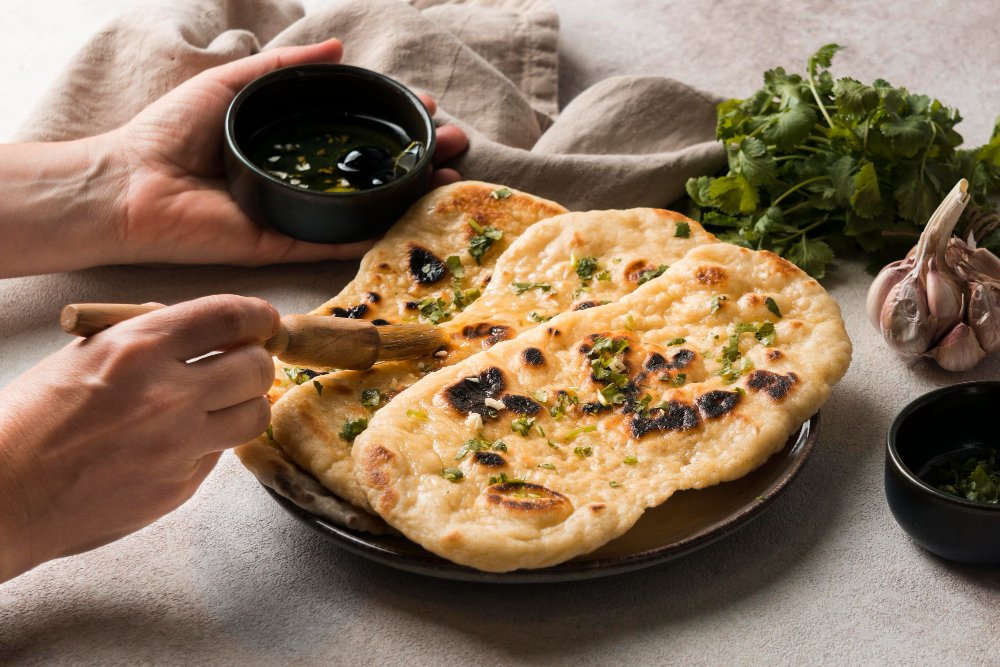
The Amritsari Kulcha is no ordinary bread. Golden, crisp, and layered with butter, it has long been a symbol of Punjab’s hospitality and culinary artistry. But beyond its irresistible taste lies a deeper story — of identity, belonging, and the fight for recognition. With Punjab now exploring the possibility of securing a Geographical Indication (GI) tag for this iconic dish, the conversation goes far beyond food. It is about who gets to claim ownership of culture, how heritage can be protected, and why such recognition matters in today’s globalized food economy.
The GI tag is not just a legal marker; it is a cultural shield. It ensures that when someone bites into a so-called “Amritsari Kulcha” outside Punjab, they are tasting authenticity and not a diluted imitation. In an era where recipes are easily copied, repackaged, and commercialized, such protection offers not just brand value but dignity. After all, Amritsar is more than just the Golden Temple. Its streets, buzzing with food stalls, have nurtured a culinary tradition that deserves safeguarding. By pushing for a GI tag, Punjab is essentially demanding culinary justice — a recognition that this dish is not just bread filled with potatoes, onions, or paneer, but a slice of the region’s cultural soul.
At a time when food is increasingly commodified, the fight for the Kulcha mirrors a broader struggle of regions trying to hold on to their unique identity. The GI tag is not just about protecting a recipe; it is about protecting livelihoods. Street vendors, local tandoor owners, and family-run dhabas depend on the reputation of Amritsari Kulcha. If imitations flood the market under the same name, the economic hit is borne not by global food chains but by small vendors in Amritsar’s crowded lanes.
There is also a political dimension. Food is identity politics served on a plate. Just as Darjeeling tea or Banarasi sarees evoke pride in their places of origin, an Amritsari Kulcha with a GI tag would underline Punjab’s cultural distinctiveness. It tells the world that this dish belongs to a people and a geography, that it cannot be dislocated without erasing its essence. The tandoor, the style of kneading, the dollops of butter — all these carry the weight of centuries of tradition that cannot be replicated elsewhere.
Yet the move is not without its challenges. GI tags are legal tools, but their enforcement is often patchy. Protecting the Amritsari Kulcha would require constant vigilance, strict certification, and education of consumers about what constitutes authenticity. Otherwise, the tag risks becoming just another bureaucratic stamp, failing to stop culinary dilution. Moreover, there is the risk of freezing a dish in time, ignoring its evolving variations. Food, after all, is a living culture, and codifying it too rigidly may risk stifling its organic growth.
But perhaps that is the paradox of heritage protection. The very act of formalizing a cultural treasure means acknowledging that it is under threat. In pushing for a GI tag, Punjab is admitting that its culinary pride risks being eroded by globalization and imitation. Yet, it is also making a powerful statement — that food is not trivial, that a dish can carry as much history, memory, and pride as a monument or a language.
The Amritsari Kulcha is thus more than flour, stuffing, and butter. It is a story of migration and mingling, of Amritsar’s open-hearted streets, of shared meals and local pride. Protecting it is not about drawing rigid boundaries but about ensuring that the dish’s legacy is not lost in translation. When Punjab seeks a GI tag for its Kulcha, it is in fact seeking recognition for its people, its traditions, and its right to define its own cultural markers.
In the end, every bite of an Amritsari Kulcha is more than just indulgence. It is history kneaded into dough, identity baked in a tandoor, and belonging served with butter. A GI tag would not only safeguard this heritage but also reaffirm the simple truth that food, at its core, is never just about taste. It is about who we are.