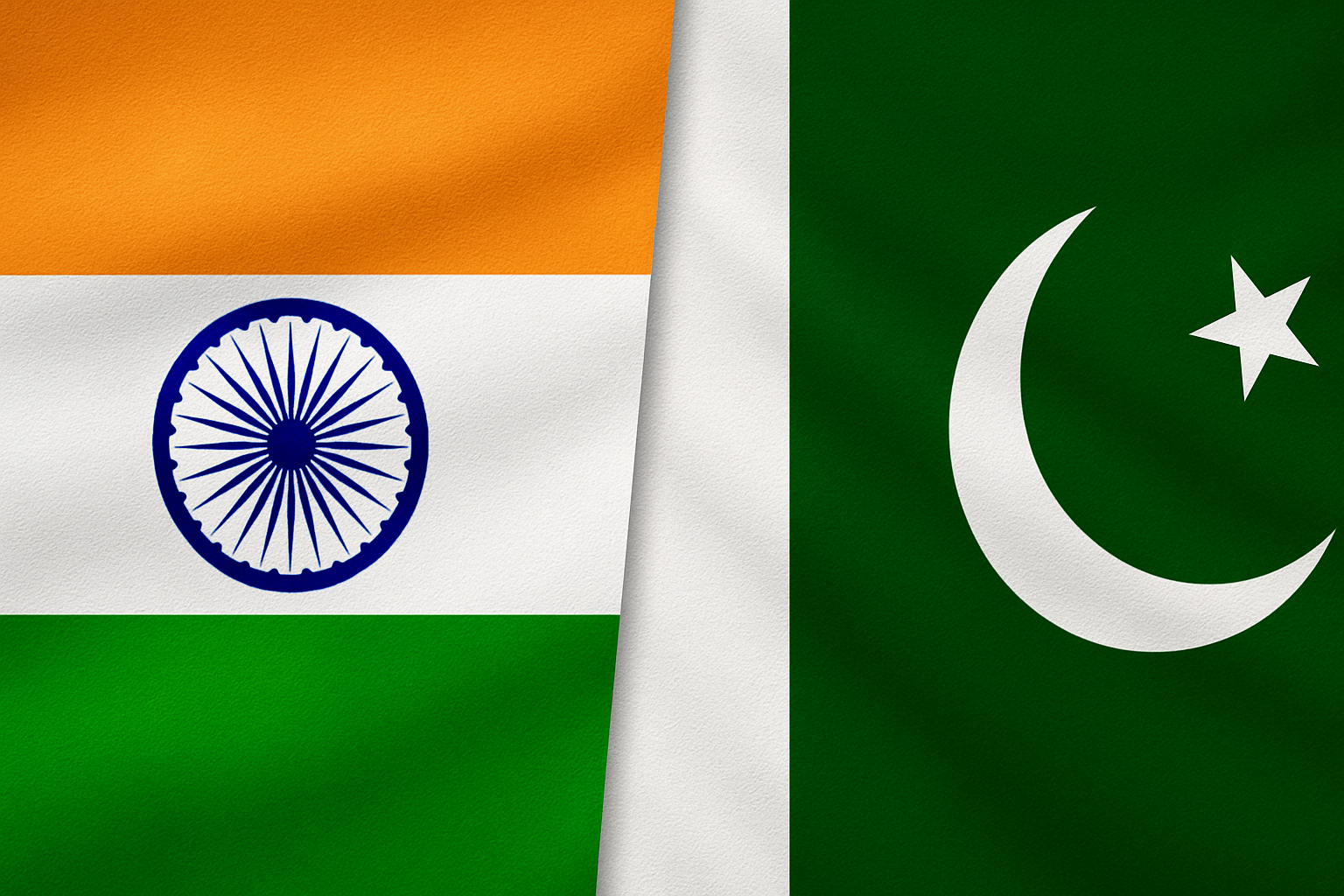
In August 1947, two nations emerged from the shadows of colonial rule: India and Pakistan. Both started from scratch, grappling with the immense challenges of Partition, mass migrations and the need to build institutions almost overnight. At that time, Pakistan had certain advantages. It inherited a larger share of the British Indian Army’s experienced officers and a relatively better per capita income compared to India. Karachi was a thriving port city and the fertile plains of Punjab promised agricultural prosperity. For a brief period, it seemed that Pakistan could stand toe-to-toe with its larger neighbour.
Early Promise and the Lost Narrative
In the first decade after independence, Pakistan’s growth was steady and in some respects outpaced India’s. International aid flowed in, infrastructure projects took shape and its capital city became a hub for foreign diplomats. However, this early promise began to fade as political instability set in. Frequent changes in government weakened civilian authority and in 1958, Pakistan experienced its first military coup. This marked the beginning of a recurring pattern where the Army, rather than remaining an institution of national defence, became a decisive political force.
The Weight of Repeated Military Interventions
Over the decades, Pakistan’s army staged multiple coups, deposing elected governments and installing military rulers. While this brought short-term order, it stifled democratic institutions, limited political maturity and created an environment where foreign and domestic policy was often dictated by military priorities. In contrast, India’s armed forces, despite being among the most respected and powerful in the world, remained firmly under civilian control. Indian democracy, though noisy and at times chaotic, was allowed to evolve without the constant threat of military intervention.
India’s Economic Ascent
While Pakistan’s political cycles oscillated between military rule and fragile democracies, India stayed on a consistent path of democratic governance. Economic reforms in the 1990s unlocked growth, turning India into one of the fastest-growing economies in the world. Today, India’s GDP ranks fifth globally and is projected to rise further. The country is a hub for technology, pharmaceuticals, renewable energy and a growing manufacturing sector. Foreign investment continues to flow in, supported by political stability and a large consumer base.
Pakistan’s Economic Struggles
Pakistan, by contrast, finds itself in an economic crisis that is both structural and political. High debt, inflation, dwindling foreign reserves and an overreliance on bailouts from the IMF have eroded investor confidence. Its export base remains narrow, heavily dependent on textiles, and energy shortages cripple industry. While the country has a young population with potential, political instability and policy inconsistency have made long-term planning difficult.
The Strategic Balance
Interestingly, both nations maintain strong militaries, but their roles in national development differ starkly. In India, the army is an instrument of security and disaster relief, stepping in during floods, earthquakes and border tensions, but never in parliamentary debates or cabinet meetings. In Pakistan, the military has historically shaped governance, foreign relations and even economic policy, leaving little room for elected leaders to chart an independent course.
A Tale of Two Futures
As both nations mark another year of independence, the divergence in their paths could not be starker. India, despite its challenges of inequality, unemployment and social tensions, continues to build on economic and institutional stability. Pakistan, with its resilient people and strategic location, still holds potential, but real progress will require a decisive shift away from military-dominated politics towards inclusive, accountable governance.
History shows that both countries began the race together, even with Pakistan holding some early advantages. Today, one is sprinting ahead on a track of steady growth and democratic resilience, while the other struggles to stay in the race, weighed down by the baggage of repeated detours.
For more stories click here
Follow us for latest updates: