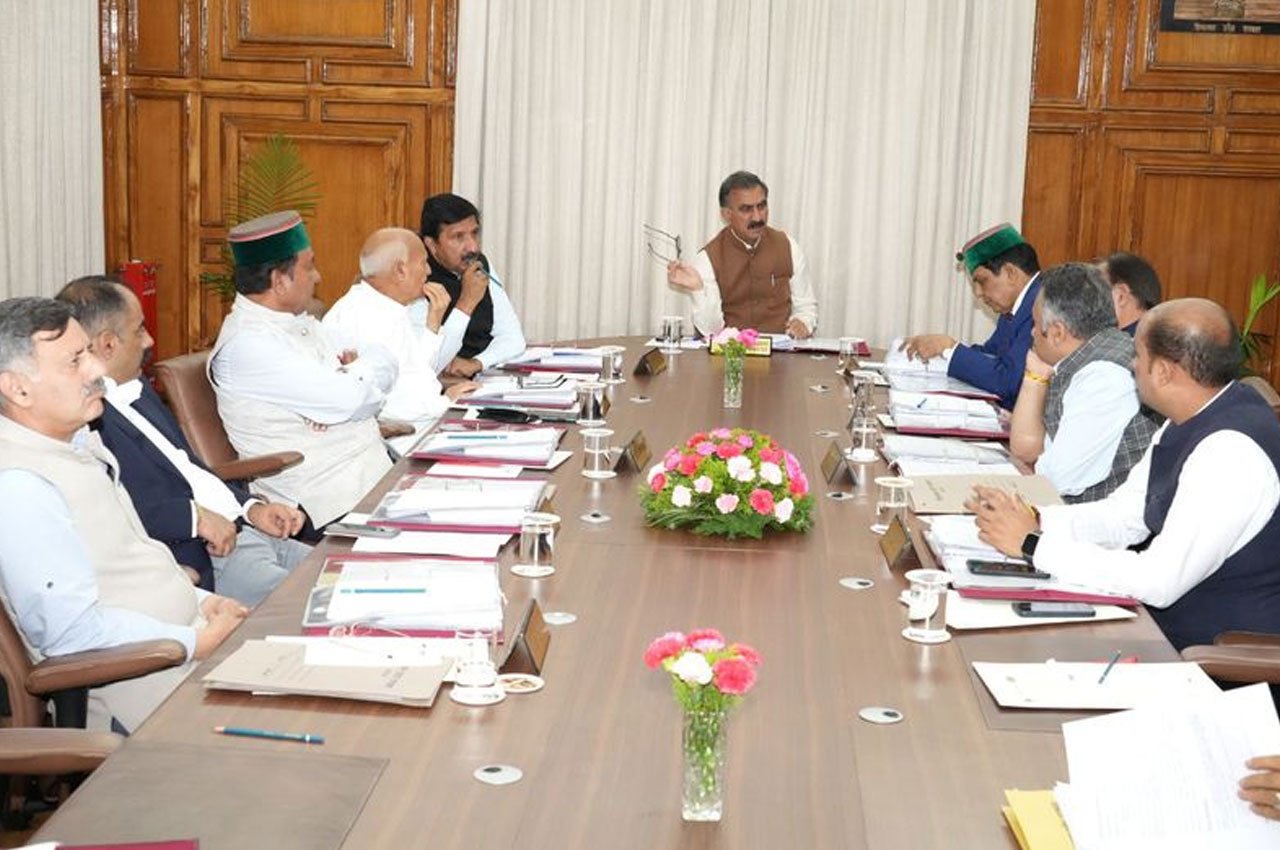
In a bold fiscal move aimed at reviving its dwindling coffers, Himachal Pradesh has decided to lift its over two-decade-old ban on lotteries. According to The Tribune, the decision, announced by Deputy Chief Minister Mukesh Agnihotri on Wednesday, marks a significant policy shift in the hill state’s efforts to generate non-tax revenue.
A State in Financial Distress
The once self-reliant state has been battling a severe financial crisis, with mounting debt and limited avenues to boost revenue. Speaking to the media, Agnihotri said, “The state government has decided to reintroduce lotteries to increase non-tax revenue. This will help in managing the current fiscal challenges.”
The Himachal government had banned all types of lotteries in 2005 under the Public Gambling Act, citing concerns over addiction, financial exploitation of citizens, and lack of transparency. However, the current administration feels that with tighter regulations and digital monitoring, the state can now run lottery operations in a more controlled and responsible manner.
Three Draws a Day, Online-Only Format
The government will now permit three draws daily and will initially operate in an online-only format, aiming to tap into a wider digital user base while maintaining transparency. Officials have clarified that while the lottery model will be fully compliant with central regulations, it will also include strict monitoring mechanisms to avoid previous pitfalls.
A tender for selecting an experienced lottery operator will soon be floated. Revenue from the scheme is expected to be channelled into key developmental projects, especially in the health and education sectors.
Political Reactions and Mixed Public Opinion
The move has generated mixed reactions from political circles and the public. While the ruling Congress party defends the decision as a pragmatic solution to a dire economic situation, opposition leaders have labelled it a “moral compromise.”
BJP state president Rajeev Bindal criticised the policy reversal, saying, “Reviving lotteries is not a solution. The government should focus on generating employment and boosting tourism, not promoting gambling.”
Social activists, too, have expressed concern over the potential socio-economic impact of lotteries, particularly on low-income households.
Revenue Generation or Regressive Step?
Experts suggest that if implemented carefully, the lottery model can offer short-term fiscal relief. Several Indian states like Kerala, Maharashtra, and Sikkim have successfully managed lottery operations as a legitimate source of revenue, generating hundreds of crores annually.
Himachal Pradesh’s annual fiscal deficit has crossed ₹12,000 crore, and the state government claims the lottery initiative could generate at least ₹400–500 crore per annum, depending on participation levels.
Way Forward
The Himachal Pradesh government has assured that the lottery revival will be handled with utmost transparency and will include robust checks to prevent any form of addiction or misuse. With digital-only draws, real-time monitoring, and audit trails, authorities hope to strike a balance between revenue and responsibility.
As the state navigates this new terrain, all eyes are on how the plan unfolds — whether it becomes a success story like Kerala or a cautionary tale of misplaced fiscal priorities.
Photo Credit: HT
For more regional stories click here
Follow us for latest updates: