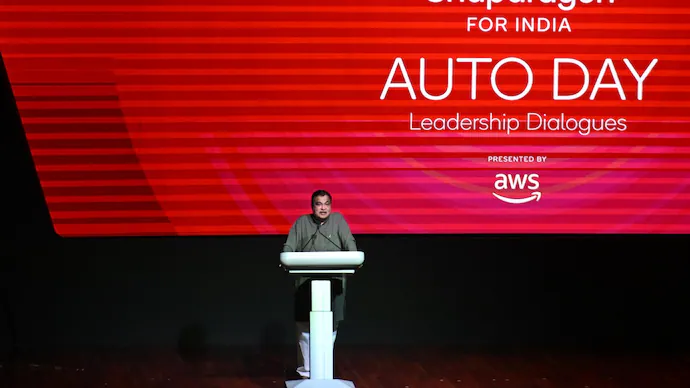
Road Transport and Highways Minister Nitin Gadkari has emphasized the pivotal role of the Indian automobile industry in driving the nation’s economic growth. Speaking at an Auto Day event in New Delhi, he described the sector as “the most important industry for the country” due to its contributions to GDP, employment, innovation, and sustainability.
Why the Auto Industry Matters
According to Gadkari, the Indian automobile industry currently contributes around ₹22 lakh crore annually, making it one of the largest contributors to the country’s GDP. It has also become one of the highest sources of GST revenue.
India recently surpassed Japan to become the third-largest automobile market in the world. The government now aims to make it the top auto market globally, with Gadkari projecting that India could overtake even the US and China within the next five years.
The industry currently employs over 4.5 crore people directly and indirectly, making it the largest employment-generating sector in the country.
Vision for Long-Term Growth
Gadkari highlighted the tremendous progress made since 2014 when the auto sector’s size was around ₹7.5 lakh crore. Since then, it has grown nearly threefold, showing India’s rising stature in the global automotive market.
He reaffirmed the government’s mission to make India a global hub for automobile manufacturing, emphasizing innovation, job creation, and export growth.
Focus on Safety, Sustainability, and Skill Development
To further support the sector, the minister outlined key policy and infrastructure reforms:
- Safety First: The launch of Bharat NCAP aims to raise vehicle safety standards, particularly in two- and four-wheelers. The government is also investing ₹40,000 crore to eliminate black spots on national highways under the “Zero Fatality Corridor” initiative.
- Road Safety Awareness: Campaigns like Sadak Suraksha Abhiyan are being launched in multiple languages to raise public awareness about road safety.
- Skill Building: Gadkari emphasized the need for skilled drivers and announced plans to establish more driving training institutes. The initiative aims to create 15 lakh new jobs in the transport sector to meet increasing demand.
- Green Mobility: Highlighting India’s dependence on fossil fuels, Gadkari said that promoting biofuels like ethanol, CNG, LNG, hydrogen, and electric vehicles is essential. He estimated that alternative fuel adoption could reduce fossil fuel imports by ₹1 lakh crore and significantly cut emissions.
Broader Economic and Global Context
The auto sector contributes over 7% to India’s GDP and around 8% to its total exports. It includes a vast ecosystem of manufacturers, suppliers, dealers, and service providers. With the global push toward electric mobility and clean fuels, India is positioning itself to lead in the next phase of automotive evolution.
Key Takeaways
- Massive Employment Generator: With 4.5 crore jobs, the auto sector supports livelihoods across manufacturing, logistics, sales, and services.
- Revenue Powerhouse: It contributes significantly to tax collections and boosts state and central revenues.
- Driving Modernization: Initiatives like Bharat NCAP, EV promotion, and hydrogen fuel adoption are moving the industry toward global benchmarks.
- Global Leadership Ambition: India aims to become the number one auto market in the world by scale, exports, and innovation.
Conclusion
Nitin Gadkari’s remarks reflect the strategic importance of the automobile industry in India’s economic and developmental journey. With robust policy backing, infrastructure upgrades, and a clear focus on sustainability and innovation, India’s auto sector is poised to reach new heights—transforming into a global leader while also serving the domestic economy and its people.
Photo Source: India Today