Tesla Taps LG for Major Long-Term LFP Supply Deal
Tesla has finalized a $4.3 billion agreement with LG Energy Solution (LGES) to procure lithium iron phosphate (LFP) batteries, primarily destined for its energy storage systems platform. The contract spans August 2027 through July 2030, with optional extensions of up to seven years and potential volume increases depending on future negotiations.
Production is slated to take place at LGES’s Michigan plant, one of the few U.S.-based facilities producing LFP batteries. This move is in line with Tesla’s ongoing strategy to reduce dependence on Chinese battery imports, especially amid rising tariffs and evolving trade tensions.
Why LFP Batteries Are Gaining Momentum
LFP (lithium iron phosphate) battery chemistry is gaining traction for its lower raw material cost, enhanced safety, and longer cycle life. While LFP batteries have lower energy density compared to nickel-based chemistries (like NCA or NCM), they are ideal for energy storage systems where cost efficiency, thermal stability, and longevity are critical.
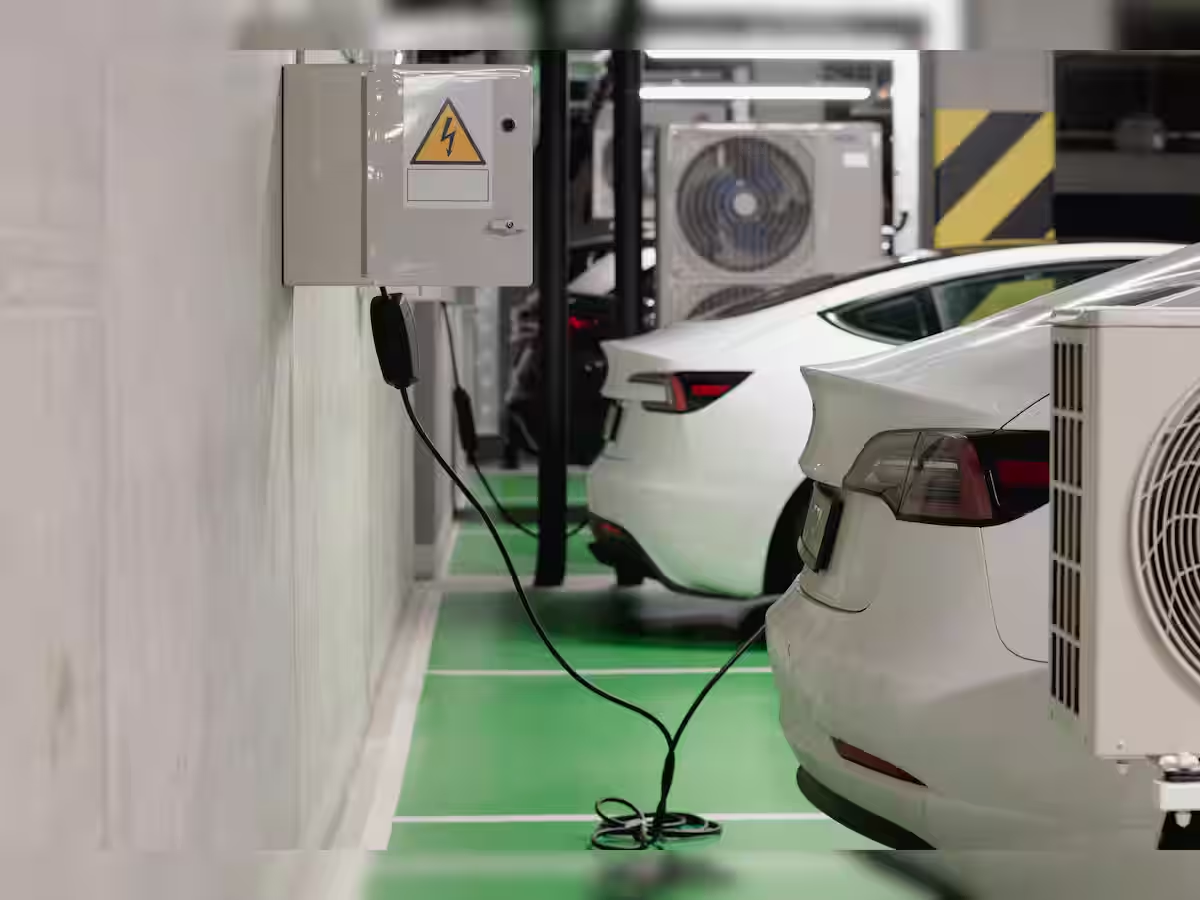
Tesla increasingly uses LFP batteries in its lower-cost electric vehicles and its Powerwall and Megapack energy storage products, which are central to its energy business strategy.
U.S. Localization and Regulatory Tailwinds
LGES began producing LFP batteries in Michigan in May 2025, reflecting a strategic shift toward local manufacturing. This move aligns with key U.S. energy policies such as the Inflation Reduction Act, which offers tax incentives for domestically manufactured battery components and energy products.
With this deal, Tesla ensures eligibility for federal incentives, while LGES benefits from a rapidly expanding U.S. customer base. The localized supply also minimizes geopolitical and logistical risks associated with importing materials from Asia.
Tesla’s Dual Strategy: External Supply + In-House Production
While this agreement locks in external supply, Tesla is also continuing to develop its own in-house LFP battery production capabilities, particularly at its Gigafactory in Nevada. This dual-track approach allows Tesla to remain flexible in managing supply, cost, and innovation while scaling operations.
Tesla’s internal roadmap includes experimenting with dry-electrode production technology for LFP cells, potentially enabling cost reductions and energy density improvements over time.
Broader Strategic Impact
- Diversified Supply Chain: By sourcing LFP batteries from within the U.S., Tesla strengthens its domestic manufacturing ecosystem and reduces overexposure to external geopolitical factors.
- LGES Gains Strategic Foothold: As one of the few manufacturers capable of delivering LFP batteries at scale in the U.S., LG Energy Solution strengthens its position as a primary supplier for major OEMs and utilities.
- Industry-Wide Ripple Effect: The partnership highlights a broader industry shift toward LFP chemistry, influencing battery suppliers and EV manufacturers to reevaluate material choices and production strategies.
Why It Matters Now
With the global shift toward electrification, particularly in energy storage and affordable EV segments, LFP is poised to become a dominant chemistry in the next decade. Tesla’s move indicates a long-term commitment to this trend, while LGES’s localized production adds credibility and capacity to meet North American demand.
The deal is also emblematic of a post-globalization energy supply model: cleaner, closer, and more controlled. As U.S. firms aim to de-risk their operations, domestically sourced battery materials and manufacturing are becoming critical.
What’s Ahead for Tesla & LGES
- Scale and Execution: LGES must rapidly scale its Michigan facility to meet Tesla’s anticipated multi-GWh demand across the contract period.
- Optional Extensions: The contract includes options that could extend the partnership through 2037, providing long-term visibility for both companies.
- Market Response: The success of this deal could encourage similar long-term agreements in the industry, especially as U.S. battery incentives evolve.
Final Word
Tesla’s $4.3 billion battery deal with LG Energy Solution is more than just a high-value procurement—it’s a blueprint for resilient, localized, and sustainable energy supply chains. As Tesla doubles down on energy storage and mass-market EVs, this partnership secures a vital technology input while reducing exposure to geopolitical risks. LGES, in turn, cements itself as a strategic player in the U.S. energy ecosystem.
As global clean energy adoption accelerates, partnerships like these will define who leads in performance, scale, and independence in the battery race.
Photo Source: Financial Express