India has reaffirmed its decision to suspend all bilateral sports engagements with Pakistan, citing enduring security concerns and geopolitical tensions. Speaking ahead of upcoming international tournaments, Union Sports Minister Mansukh Mandaviya emphasized that while India remains open to competing in multi-nation events, any one-on-one bilateral series with Pakistan remains off the table.
Clear Distinction: Global vs. Bilateral
Mandaviya clarified India’s stance: the country will engage Pakistan in tournaments like the Asian Games and World Cups where multiple nations participate, but will not resume direct bilateral series given the perception of state-sponsored terrorism.
“We do not support bilateral sports events with a country that promotes terrorism,” he stated, underlining that national safety must come first.
Security Over Sports
The position follows heightened tensions after the April 2025 Pahalgam terror attack, which claimed 26 lives and prompted retaliatory strikes by India. Since then, diplomatic ties have weakened, leading to the suspension of various bilateral exchanges—ranging from sporting events to trade and visa services.
Officials have reiterated that no bilateral sports series across any discipline will resume until Pakistan demonstrates credible and sustained action against cross-border terrorism.
Exceptions in Hockey
Despite the broader restrictions, the Indian government will allow Pakistani participation in multi-nation events hosted on Indian soil. These include the upcoming Asia Cup (August 27–September 7, 2025) and the Junior Hockey World Cup. Visas for Pakistani players will be granted, contingent upon Pakistan’s approval for its athletes to travel.
Coaching Voices & Historical Precedent
India’s cricket head coach Gautam Gambhir has supported the government’s position, stating that cricketing ties with Pakistan should remain suspended until cross-border violence ends—even at neutral venues. He noted that this view aligns with official policy, not personal preference.
Similar sentiments have been expressed in the past. Former Sports Minister Anurag Thakur and previous administrators like Vijay Goel and Narinder Batra have consistently opposed bilateral sports with Pakistan since 2017, especially in the wake of terrorist incidents.
Wider Diplomatic Context
This sporting embargo reflects a broader policy stance adopted by India since the Pahalgam attack. Measures include:
- Suspension of the Indus Waters Treaty
- Closure of the Attari–Wagah border
- Cancellation of visas for Pakistani nationals
- Trade bans on Pakistani goods
- Airspace restrictions between the two countries
Pakistan, meanwhile, maintains that diplomatic and sporting dialogues remain frozen since 2019, and major agreements have yet to be reactivated.
Impact on the Sports Ecosystem
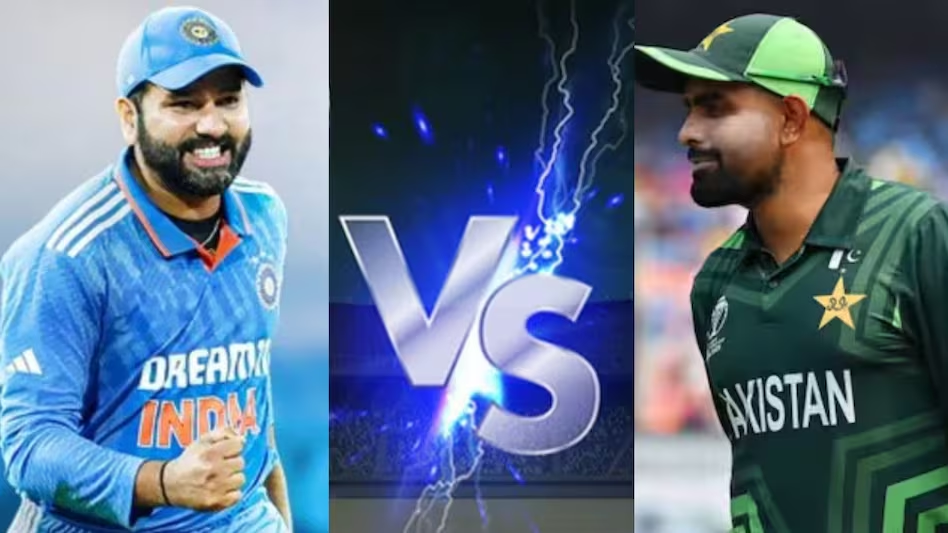
Cricket: No bilateral cricket series between India and Pakistan has been held since 2013. Meetings are limited to ICC tournaments or Asia Cup matches at neutral venues.
Other sports: Hockey, kabaddi, and tennis interactions continue through multilateral formats. However, Indian athletes avoid traveling to Pakistan, and vice versa.
Domestic leagues: India’s IPL and Pakistan’s PSL have been affected by heightened tensions. Matches were rescheduled due to flight disruptions, and venues were changed due to security concerns.
Why It Matters
- Security First: The Indian government’s stance prioritizes national security over sports diplomacy.
- Global Engagement Maintained: By participating in multilateral events, India avoids isolation while signaling its firm position.
- Public Sentiment: Surveys and media commentary suggest strong domestic support for the continued ban, particularly in the wake of terror-related incidents.
Final Take
India’s refusal to resume bilateral sports with Pakistan reflects its unwavering focus on security and national interest. While sporting ties remain active in multilateral arenas, any direct engagement is on indefinite hold. For the foreseeable future, India’s policy is clear: it will compete—but only on the global stage, not in isolated bilateral contests.
Photo Credit: Business Today